Cosmetic trends in China
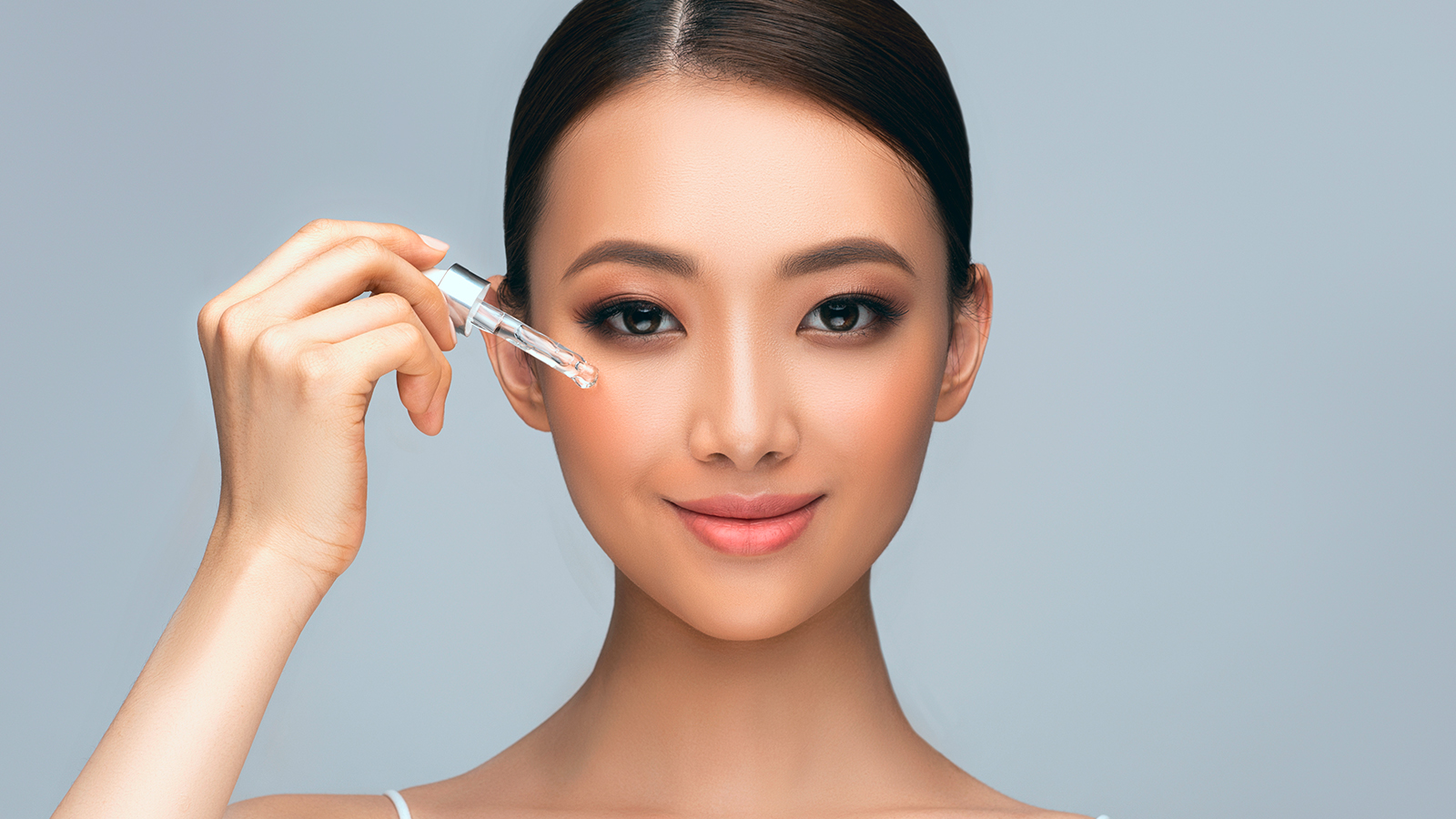
Not just in Europe the cosmetic market is changing rapidly. Fei Xu from Asia Cosme Labs talks about the trends in China you shouldn’t miss!
International Magazine for Cosmetics and Fragrances
Not just in Europe the cosmetic market is changing rapidly. Fei Xu from Asia Cosme Labs talks about the trends in China you shouldn’t miss!
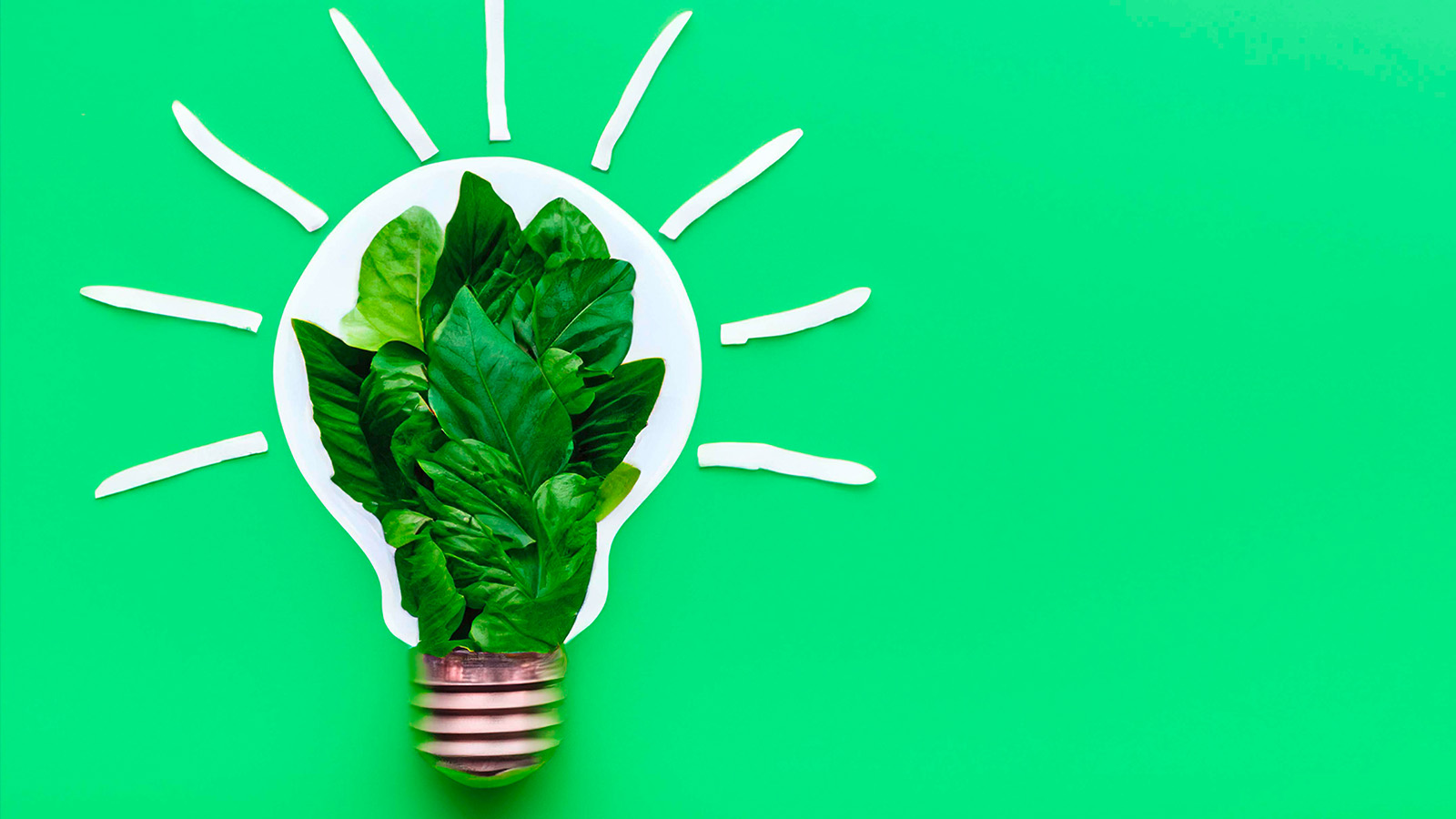
Sustainability isn’t just a trend–it’s becoming the new standard in packaging. Consumers are demanding eco-friendly solutions and businesses are looking for ways to reduce their environmental footprint without sacrificing quality and design. “ONE4” mycelium packaging is one such innovation, combining the environmental benefits of mycelium, the root structure of fungi, with the efficiency of traditional packaging, making it an accessible and appealing option for companies of all sizes.
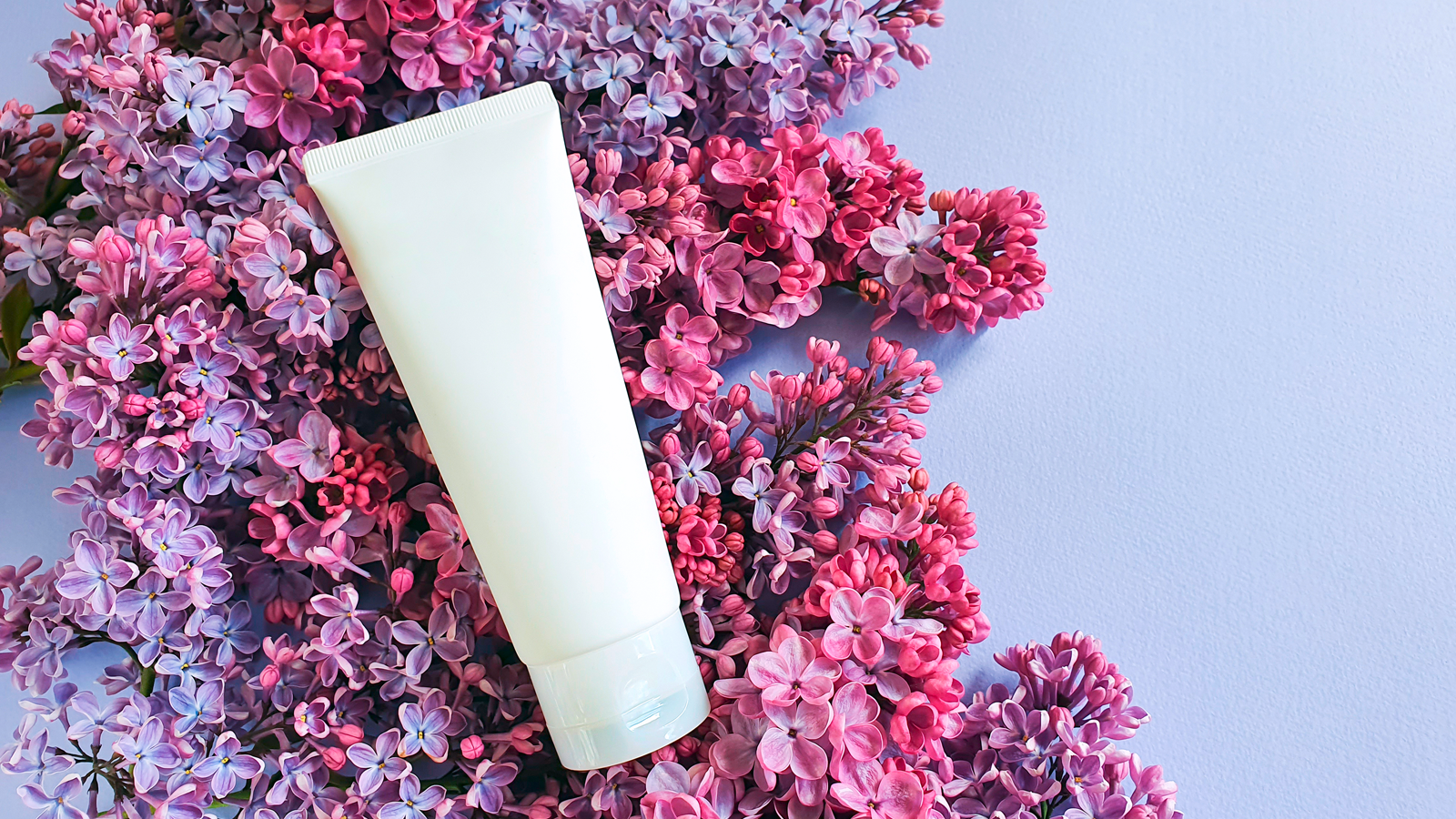
Fragrances can be essential even for personal care products: they are integral to consumer experience, offering emotional, psychological, and wellness benefits that influence purchasing decisions and brand loyalty. Virginie Pierron Arnault from Givaudan gives insights about the importance of scents and how Givaudan creates fragrances that offer a special moment for the consumer.
The skin around the eyes is one of the most delicate parts of the face, necessitating special attention to maintain its youthfulness and vitality. The right formulations can ensure this sensitive area is not only nourished but also protected.

Specific creams, lotions and exfoliants are available for every skin care – face and body – need. They nourish and care for the skin and give it a fresh appearance. Here you will find a selection of formulations and ingredient suppliers that reflects the latest trends.

The demand for sustainable beauty products is steadily increasing as consumers become more conscious of ecological practices. One significant step in this direction is the utilisation of natural materials derived from various upcycled processes, including food waste. In this article, Kshitija Tembhekar, Anjali Gholab and Rachna Rastogi highlight some of the common food wastes and actives derived from them as a ready resource for formulators.
As 2025 approaches, Stephenson expects the beauty industry to continue working on the development of new-generation products that couple functionality and efficacy, with natural and sustainable ingredients while reducing water consumption and packaging. In addition, today’s beauty and personal care products must not only meet the expectations of informed consumers but also satisfy a brand’s requirement for manufacturing speed and efficacy. This is the view of Stephenson’s marketing manager Tim Pulleyn and product manager Charlotte Gronan, as they weigh in on some of their top trends to watch in the year ahead.
Scents in cosmetic products are not just about fragrance; they are integral to consumer experience, offering emotional, psychological, and wellness benefits that influence purchasing decisions and brand loyalty. In a crowded market, scent serves as a differentiating factor for brands, it can enhance a brand’s storytelling and marketing, enticing consumers to explore and purchase products. It can help consumers linger and explore different products from a familiar brand to test out new sensorial/ olfactory experiences.
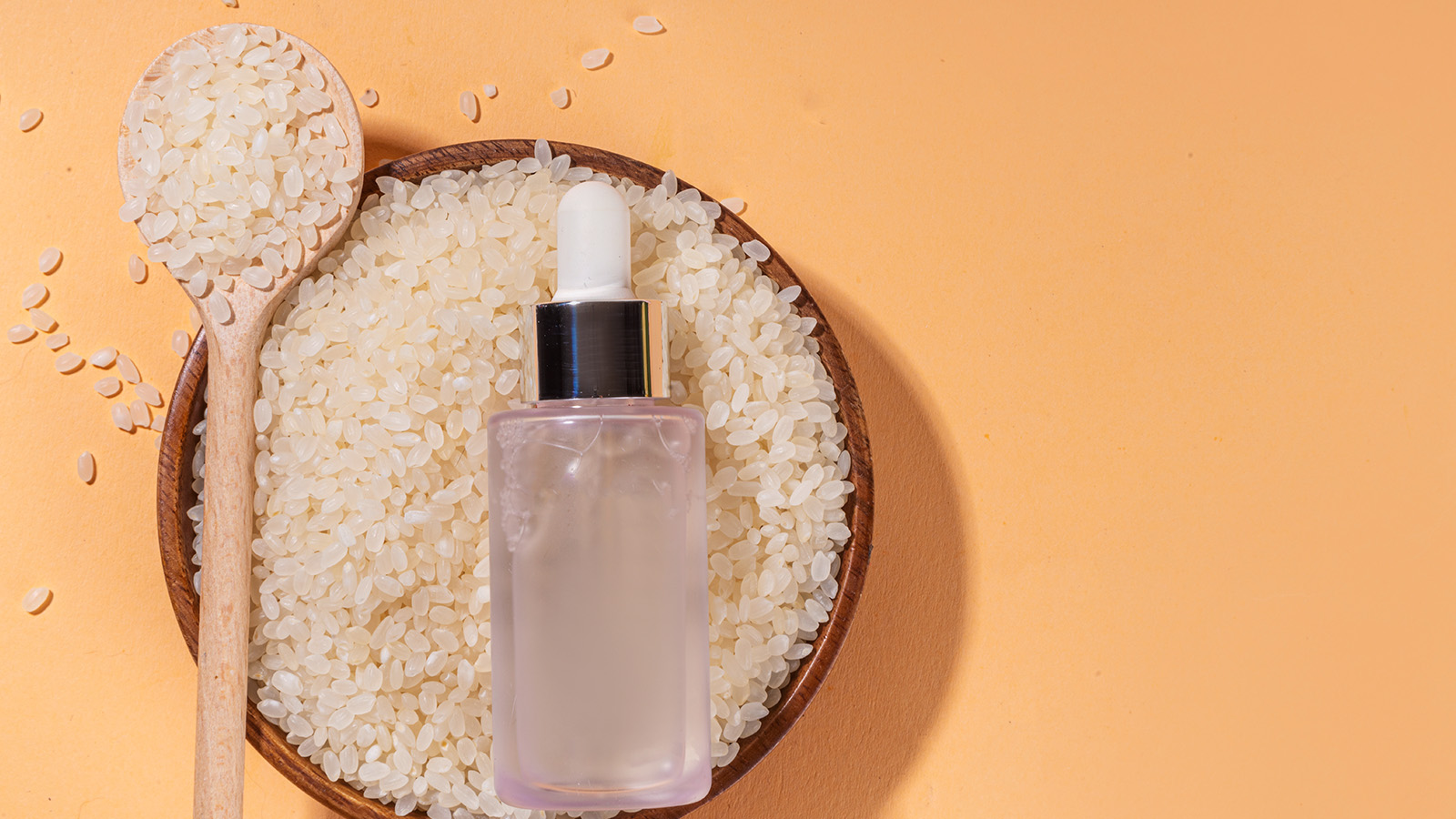
The renaissance of traditional hair care: Rice water and rice peptides are revolutionising modern hair care. Among other benefits for skin and health, the natural ingredients help to regenerate and nourish the hair, leaving it smooth and protected.

As sustainability considerations increasingly drive consumer purchasing decisions and public pressure mounts, the cosmetics industry is challenged to find innovative approaches with lasting impact. With “Responsibly Active”, BASF has committed to making sustainable practices a priority in its bioactives business, protecting the planet and its resources, and empowering people across the value chain – beyond corporate responsibility and out of personal conviction. Two years into the programmeme, we spoke to Lucilene Veira Nunes, Head of Business Management for Bioactive Ingredients, EMEA, about the progress made and the challenges ahead.

Biologically, all hair is the same. It is made out of keratin and consists of three layers: the cuticle, cortex, and medulla. However, different hair types exist, and curly and coily textured hair does have distinctive characteristics that require an adaptation to the hair care routine, which differs from straight hair. In this article, we explore the special characteristics of curly and coily hair, look into the ingredients that should be considered for product invention, and dive into how the hair care regimen can be tailored to meet the specific needs of curly and coily hair to make them bouncy and smooth.
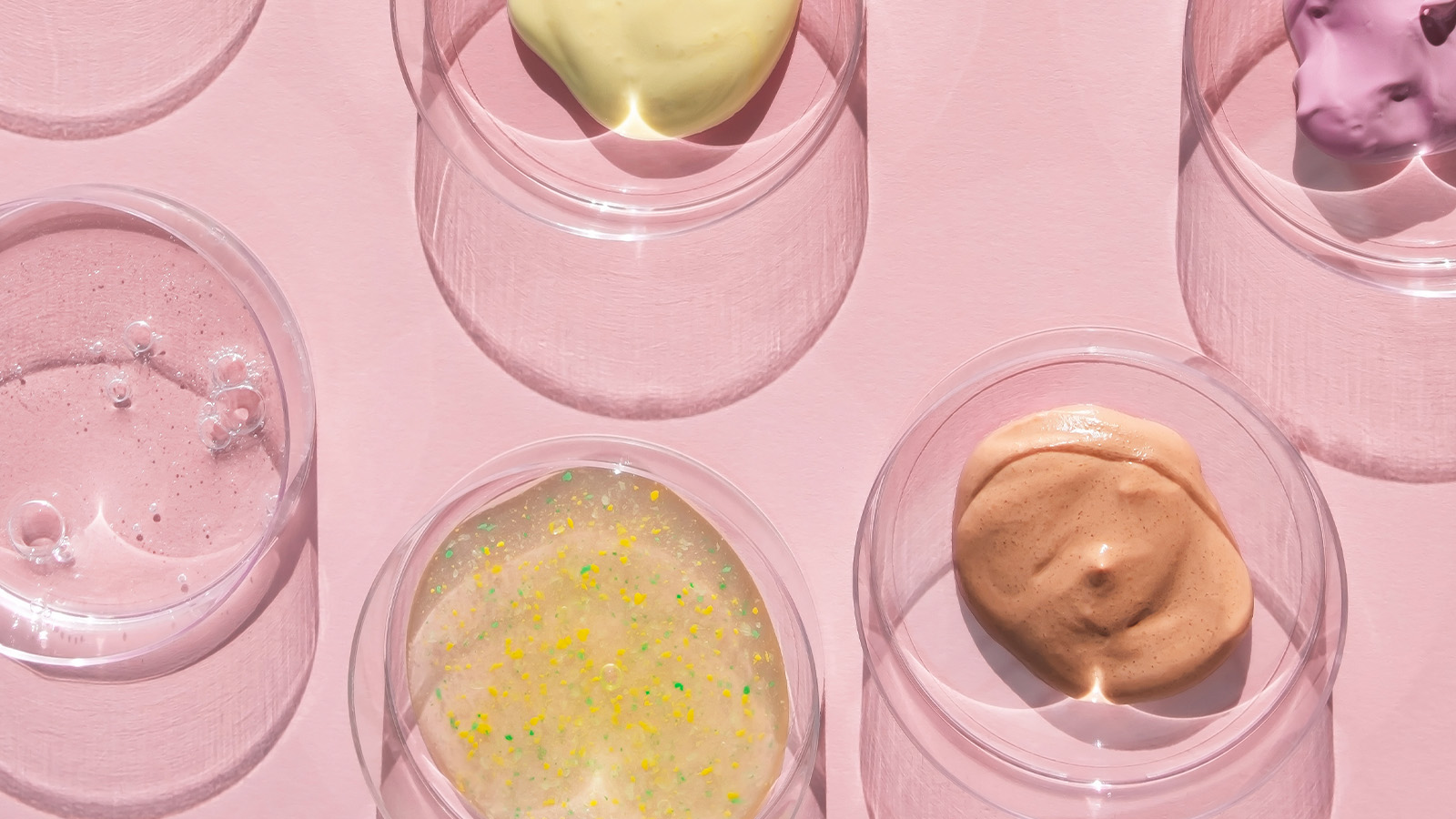
Petrochemicals present a complex dilemma for the beauty industry. Dr Isabel Alvarez- Martos, CEO of Cellugy, talks about ways to replace the ingredients and what role sustainability plays.

There has always been so much emphasis on skincare products for the face. But in recent years, a whole new range of specialised products have become available to address multiple concerns for a much larger area: the body. Just what are these new and trending products – and what formula extensions could your brand be missing out on? Read on to find out …
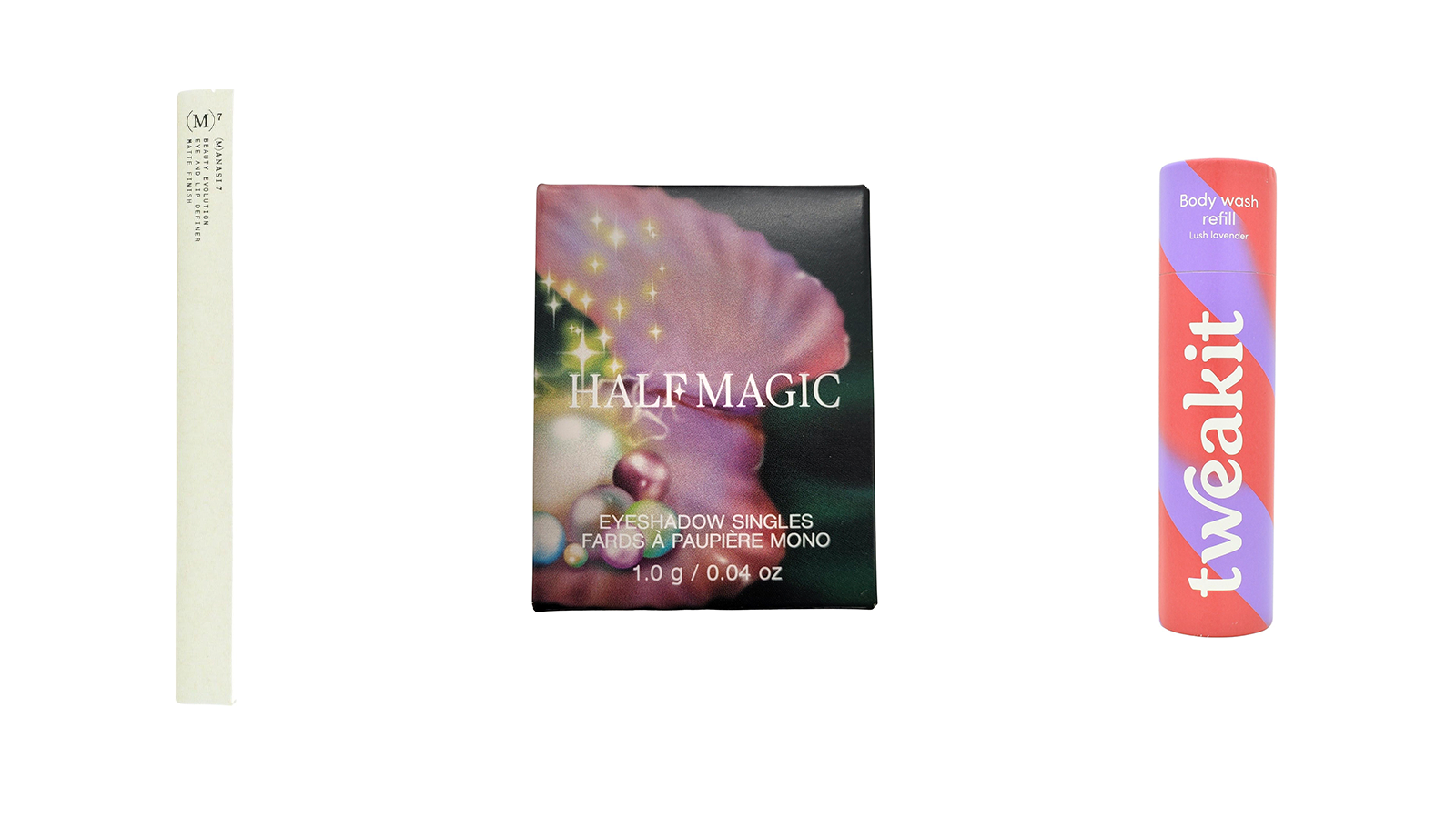
With sustainability one of the most important trends in 2024, there are movements to use more eco-friendly ways of packaging in the cosmetic industry too.
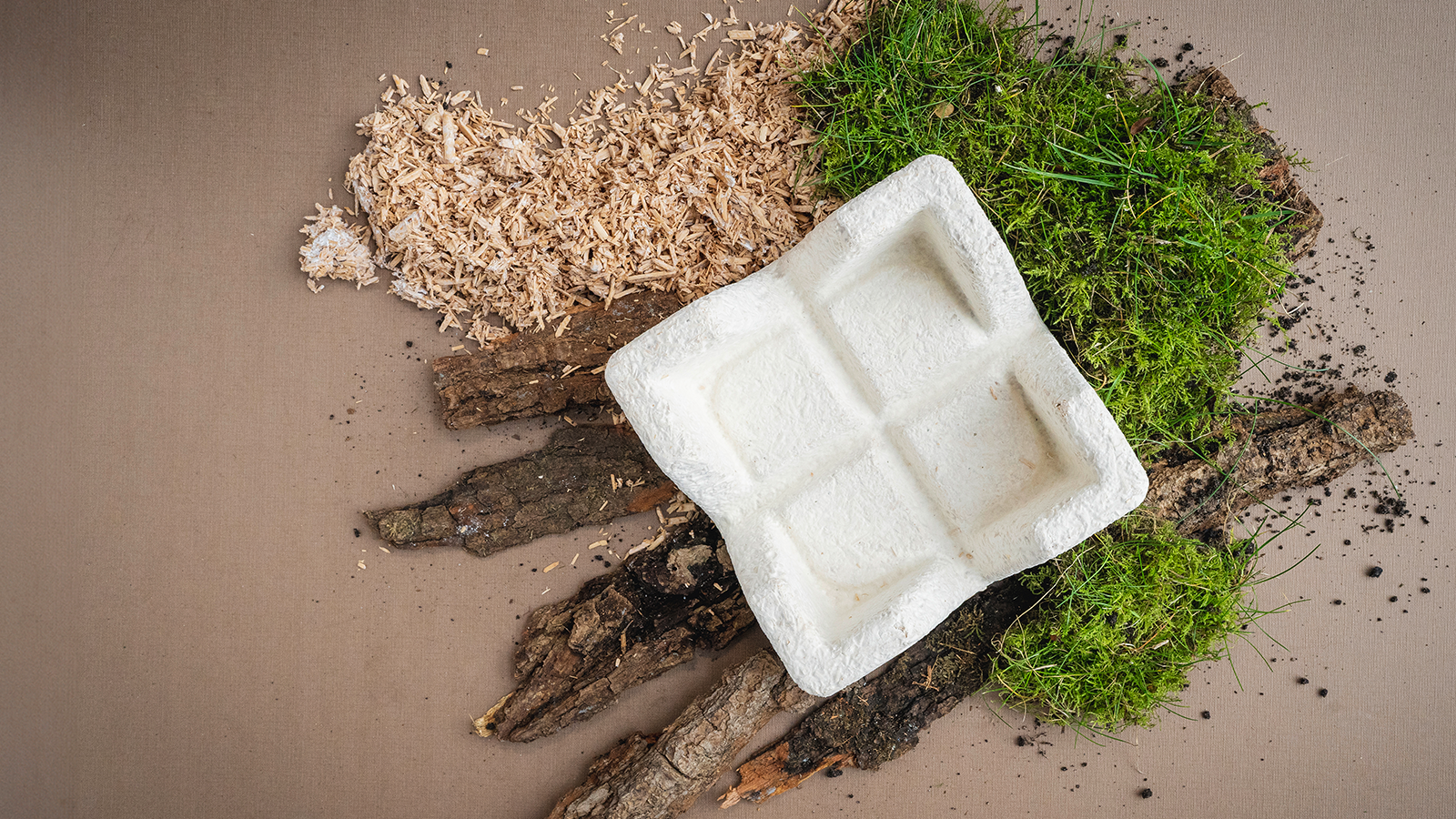
Mycelium Packaging offers a biobased alternative to traditional materials like Styrofoam and is used to create strong, protective packaging. For example, for heavy and sensitive household appliances, consumer electronics, cosmetics, spare parts, electrical devices and many more. It promises a reduced environmental footprint without compromising functionality or design.
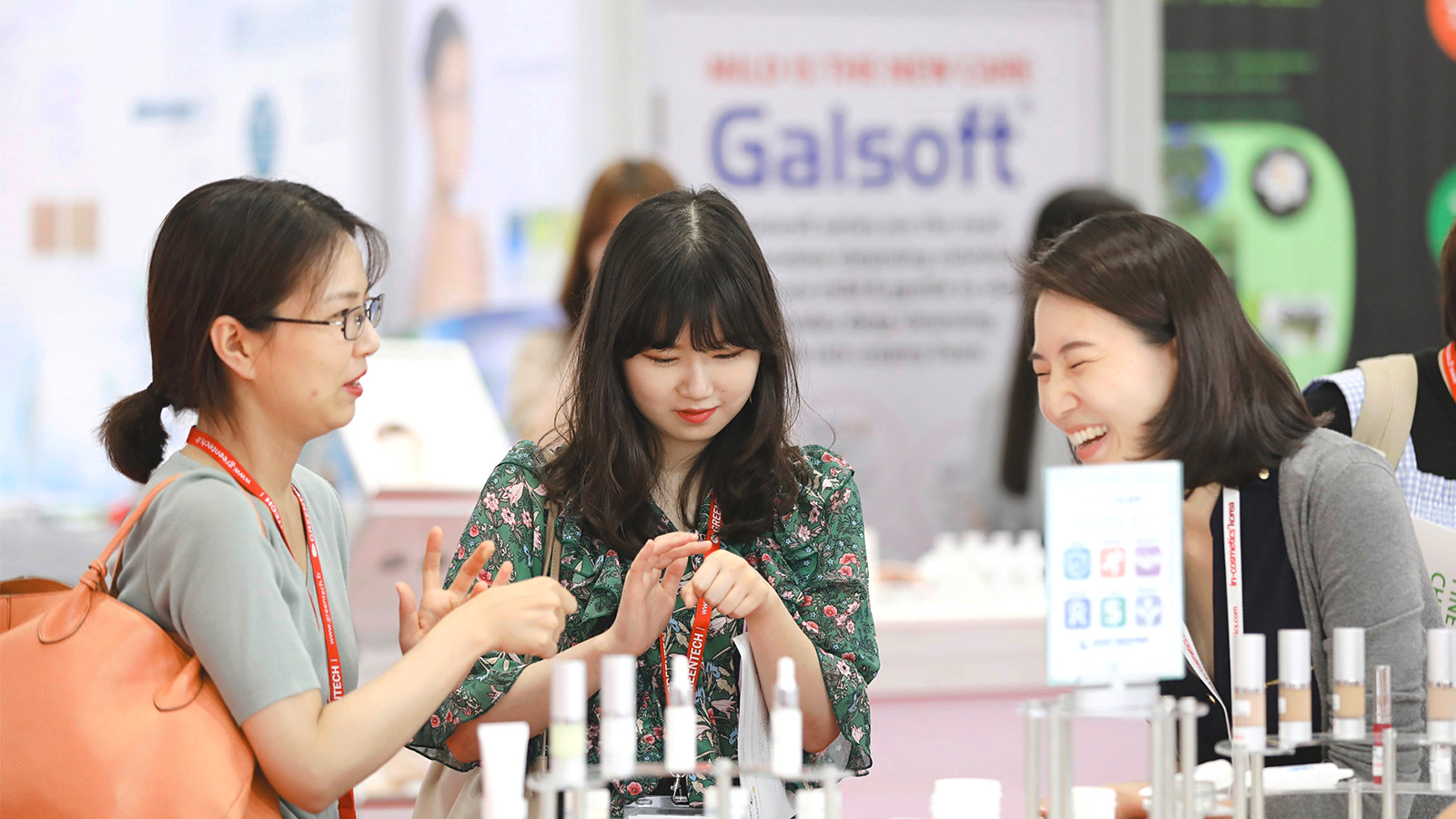
In-cosmetics Korea, the only exhibition dedicated to personal care ingredients in South Korea, is taking place in Hall C at the COEX, Seoul, South Korea, from 24th to 26th July 2024, where exhibitors will showcase their formulations and innovations addressing the newest trends.
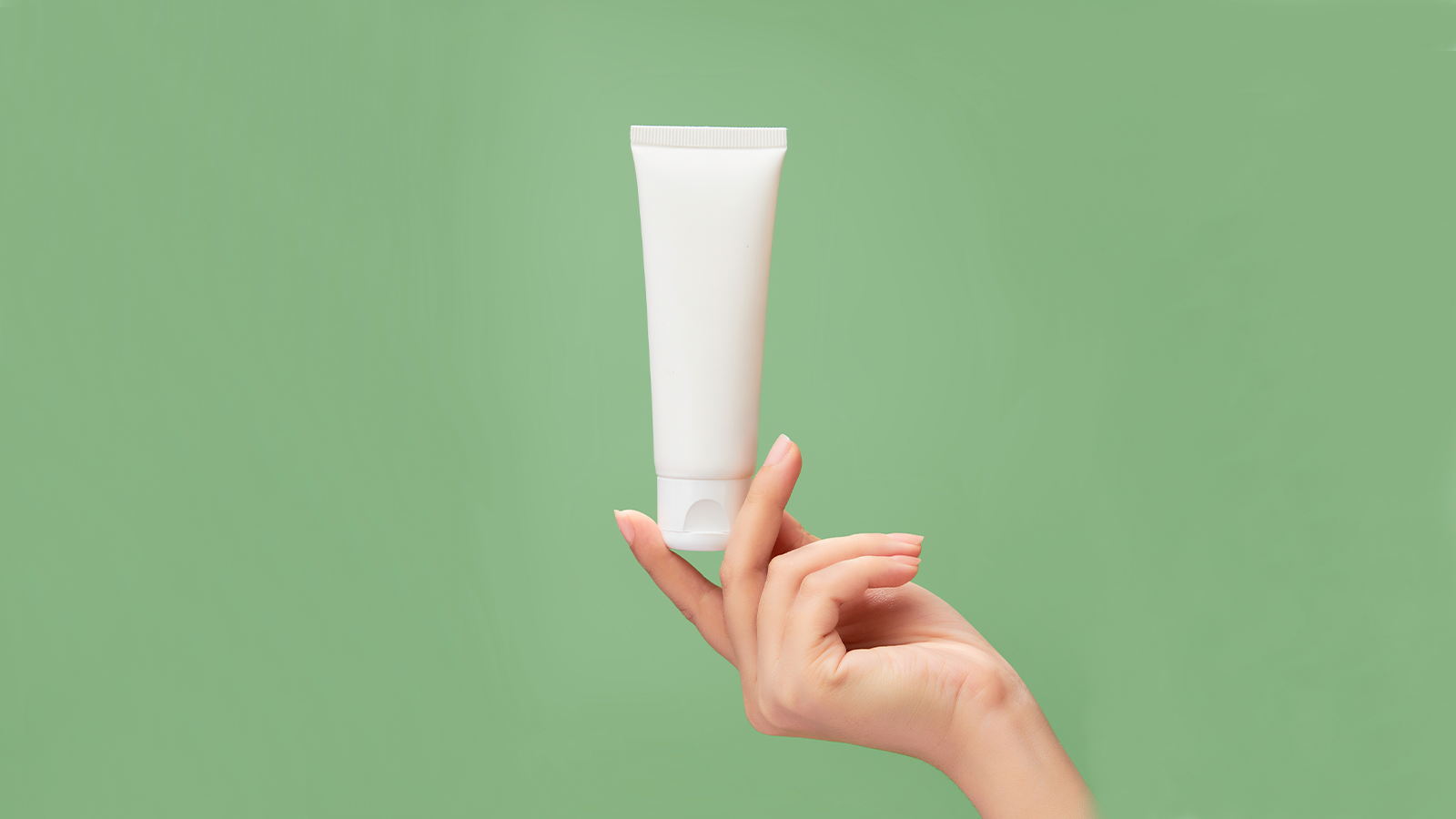
Packaging is responsible for much of the planet’s waste pollution and a contributor to climate change. Some of this comes from cosmetics packaging and it is an issue that the beauty industry is working hard to tackle. However, to be successful, it requires the collaboration of all parties in the value chain.
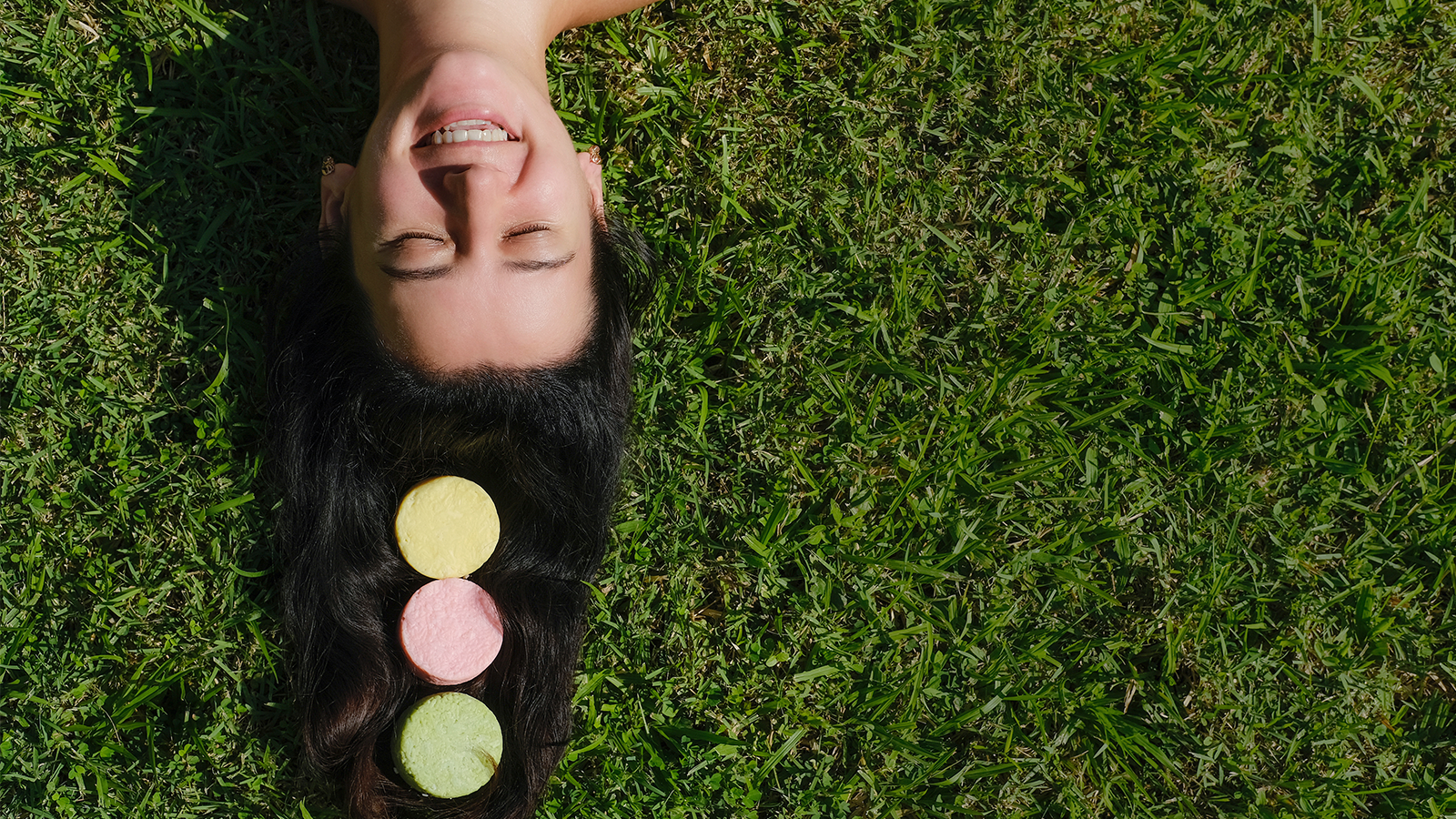
Imagine a world where every product we use leaves a positive mark on our planet. Packaging plays a crucial role in this vision. Our current waste problem demands urgent attention, and packaging is a significant part of the puzzle. The buyers’ mission is to seek out and implement groundbreaking, sustainable packaging solutions. So, what innovative approaches can we consider to make packaging more eco-friendly? Let’s dive in and explore how we can revolutionise packaging for a greener future!
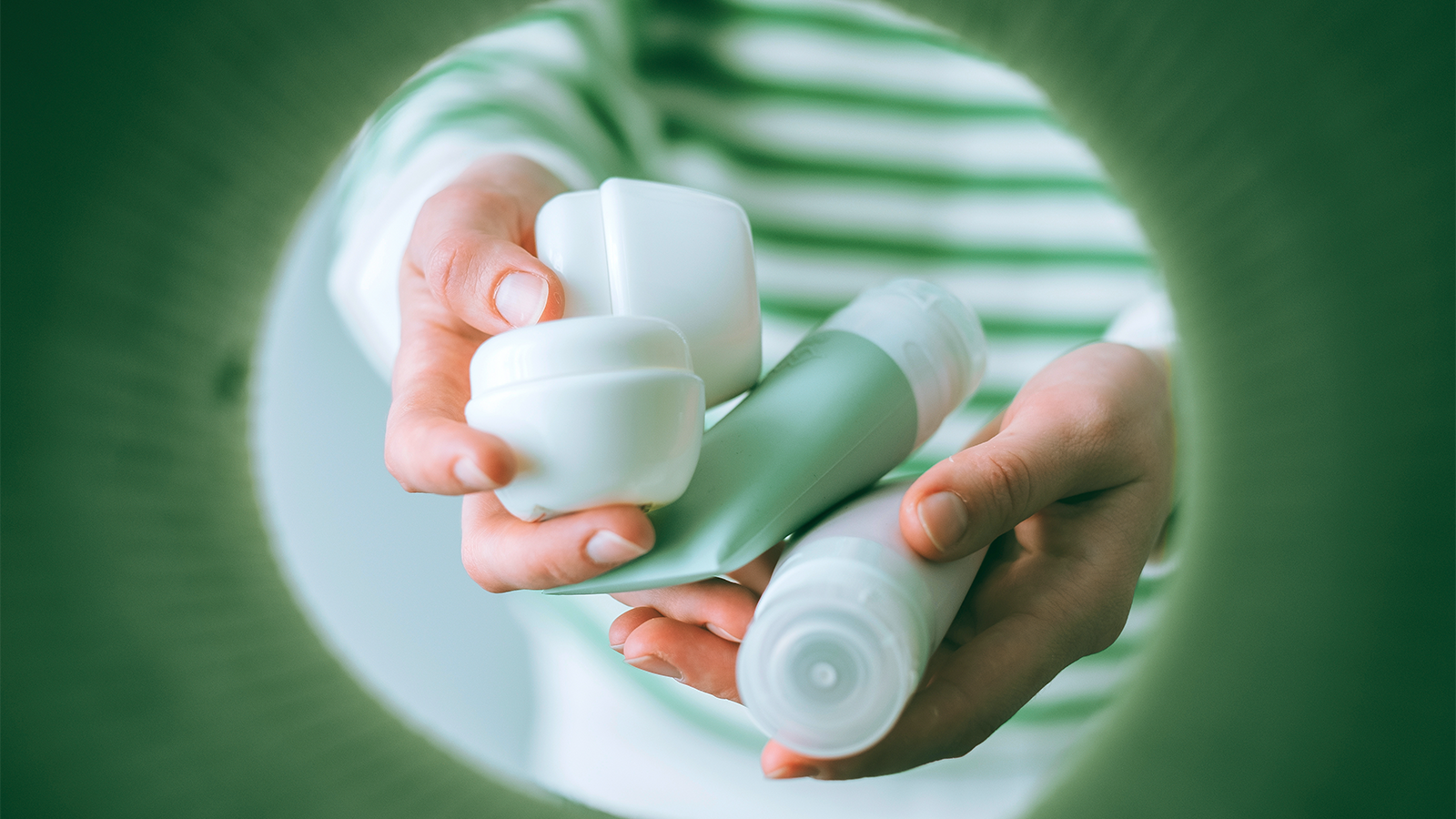
Global plastic production has been growing for decades, booming from 1.5 million of tonnes in 1950 to more than 400 million metric tons in 2022 worldwide, just like the amount of plastic waste. The key to reduce this amount of waste is recycling. Aude Laclaire, Sustainability Manager at Albéa Tubes, talks about challenges and opportunities in integrating Post Consumer Recycled Content (PCR) in plastic packaging.