Packaging in Transition

The personal care packaging industry has entered a new phase of innovation where sustainability alone is no longer sufficient to differentiate products. While reducing plastic consumption and improving recyclability remain important objectives, packaging is increasingly expected to perform multiple functions throughout a product’s lifecycle. Beyond protecting cosmetic formulations, modern packaging must preserve ingredient stability, enable circularity, improve dispensing precision, strengthen consumer engagement and comply with an increasingly complex regulatory landscape.
Silgan

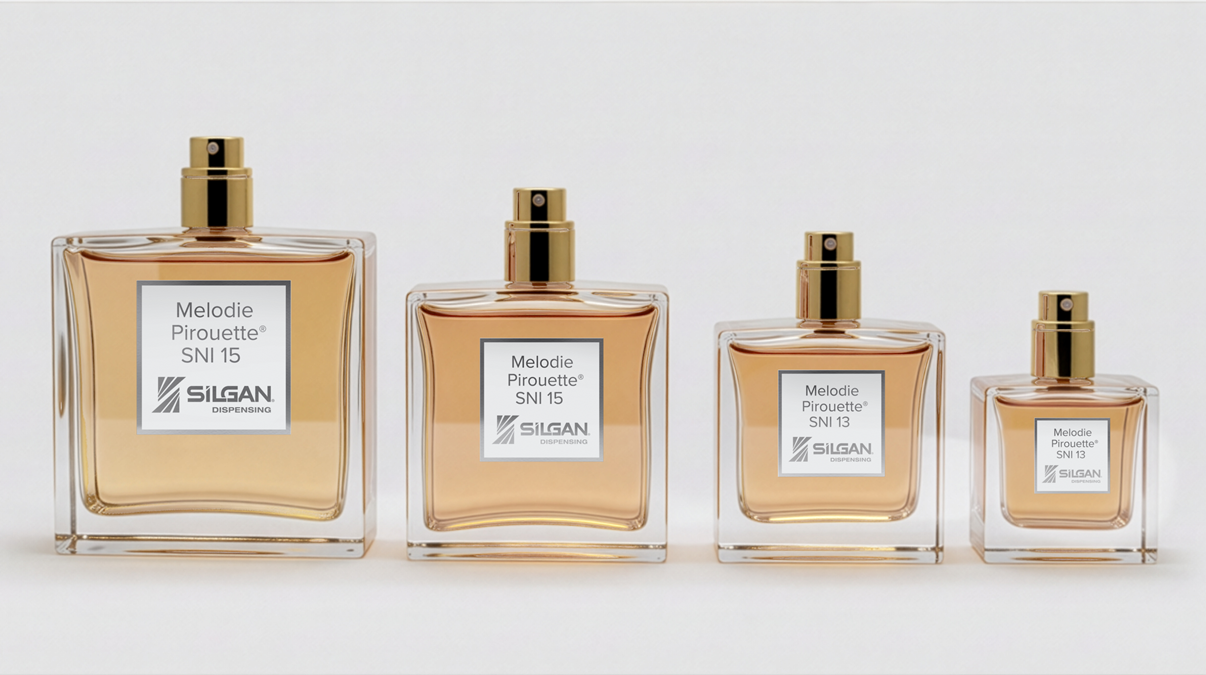
At Luxe Pack Monaco, Silgan Dispensing introduced its Melodie Pirouette SNI 13 pump for molded glass, an innovative solution designed to create new growth opportunities in the fragrance market by enabling perfume houses to extend luxury fragrance packaging across a full range of refillable molded glass formats. To deliver a customized, portable luxury experience for … Read more

Smart Packaging
Made in
Europe

Beauty packaging in Europe stands at a decisive turning point: brands must simultaneously accelerate their time-to-market, comply with the EU Packaging and Packaging Waste Regulation, and maintain the functional precision and aesthetic standards that define their identity on shelf. 

Rekrill

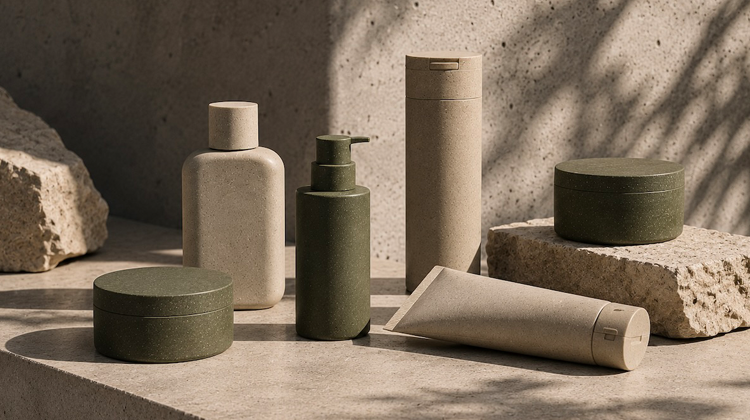
A new 100% bio-based polymer has been developed to address both requirements and support the direction set by the European Packaging and Packaging Waste Regulation (PPWR). Made from renewable raw materials, the material is designed to provide performance comparable to conventional petrochemical-based plastics. Unlike many bio-based alternatives that require separate end-of-life pathways, it can enter … Read more

A Promising Material

In recent years, the packaging sector has come under increasing scrutiny, as brands seek to reconcile aesthetic expectations, 
technical properties, regulatory constraints, and environmental responsibility. This growing ­focus has accelerated the exploration of alternative materials and production methods.

Eco Packaging The Post-Plastic Era

Innovation in cosmetic packaging is no longer driven solely by design or functionality, but increasingly 
involves the choice of materials. Growing attention toward reducing the use of fossil resources has 
accelerated the research into bio-based solutions. However, the real challenge for the industry does not simply lie in replacing conventional plastic with a material derived from renewable sources. A new material must meet the same requirements demanded by the market: processability, consistency, aesthetic quality, compatibility with production lines, and stable mechanical performance.

Competitive Advantage

Over the past several years, we have noticed a significant shift in how companies approach ­sustainable packaging. What was once primarily driven by environmental responsibility 
and brand positioning is increasingly becoming a question of competitiveness, resilience, 
and long-term economics.

2026 Innovation Awards – Finalists

London Packaging Week has announced 87 finalists for its 2026 Innovation Awards, selected from hundreds of international entries across 18 categories. The shortlisted projects cover luxury, beauty, premium drinks, food, consumer goods, and sustainability, with a focus on commercial, environmental, and consumer value. Key trends include the growing use of fiber-based materials, increasingly sophisticated mono-material … Read more

Cosmogen & Asquan

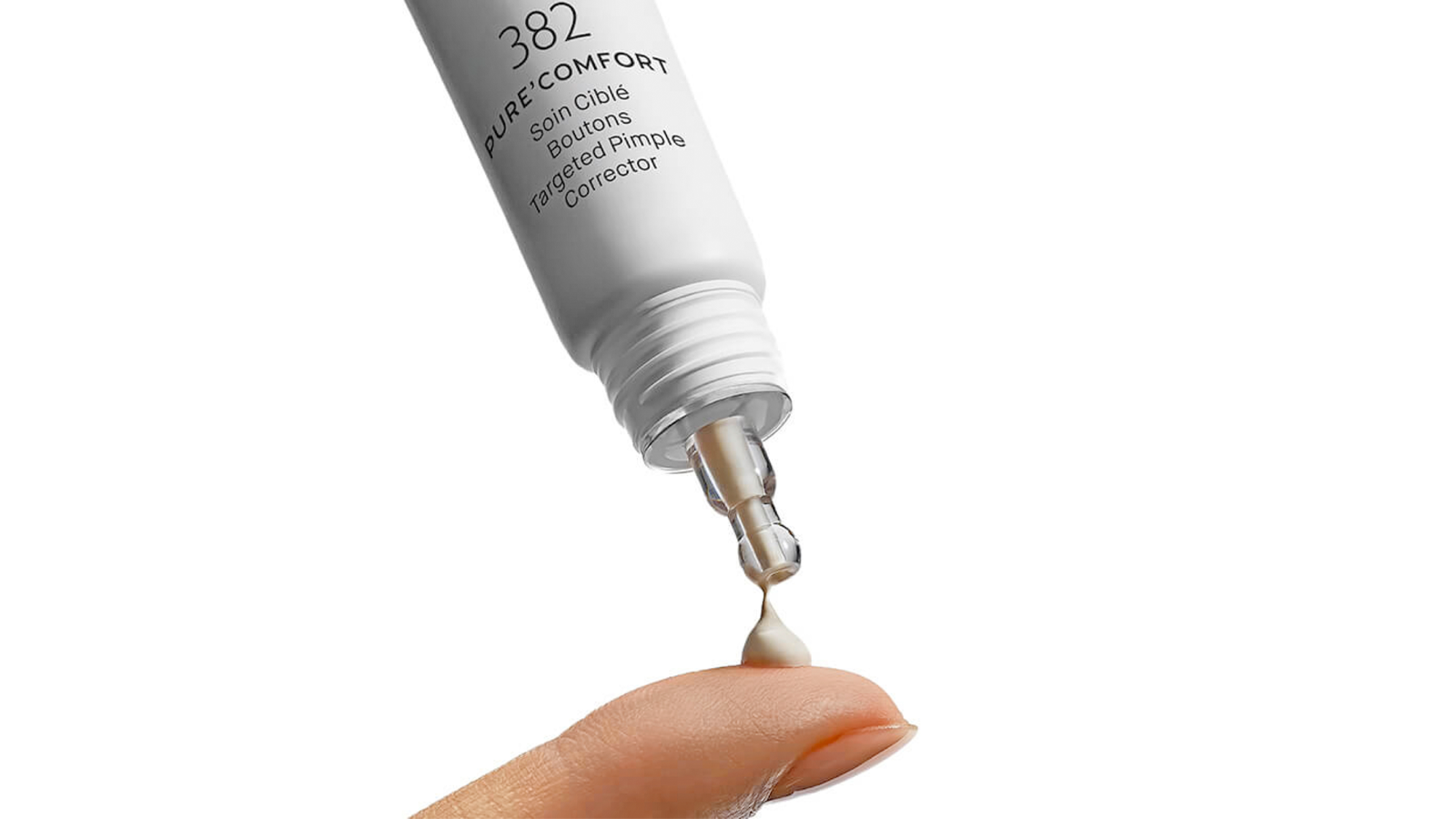
Maria Galland Paris has selected the Cosmogen & Asquan Group’s 19 mm “Dropper Tube” for its new Pimple Corrector. Featuring the “Ball Shape” applicator, the packaging is designed for precise, controlled application of skincare formulas. The “Dropper Tube” range is compatible with serums, gels, oils, and creams and is available in multiple material options, including … Read more

Amcor

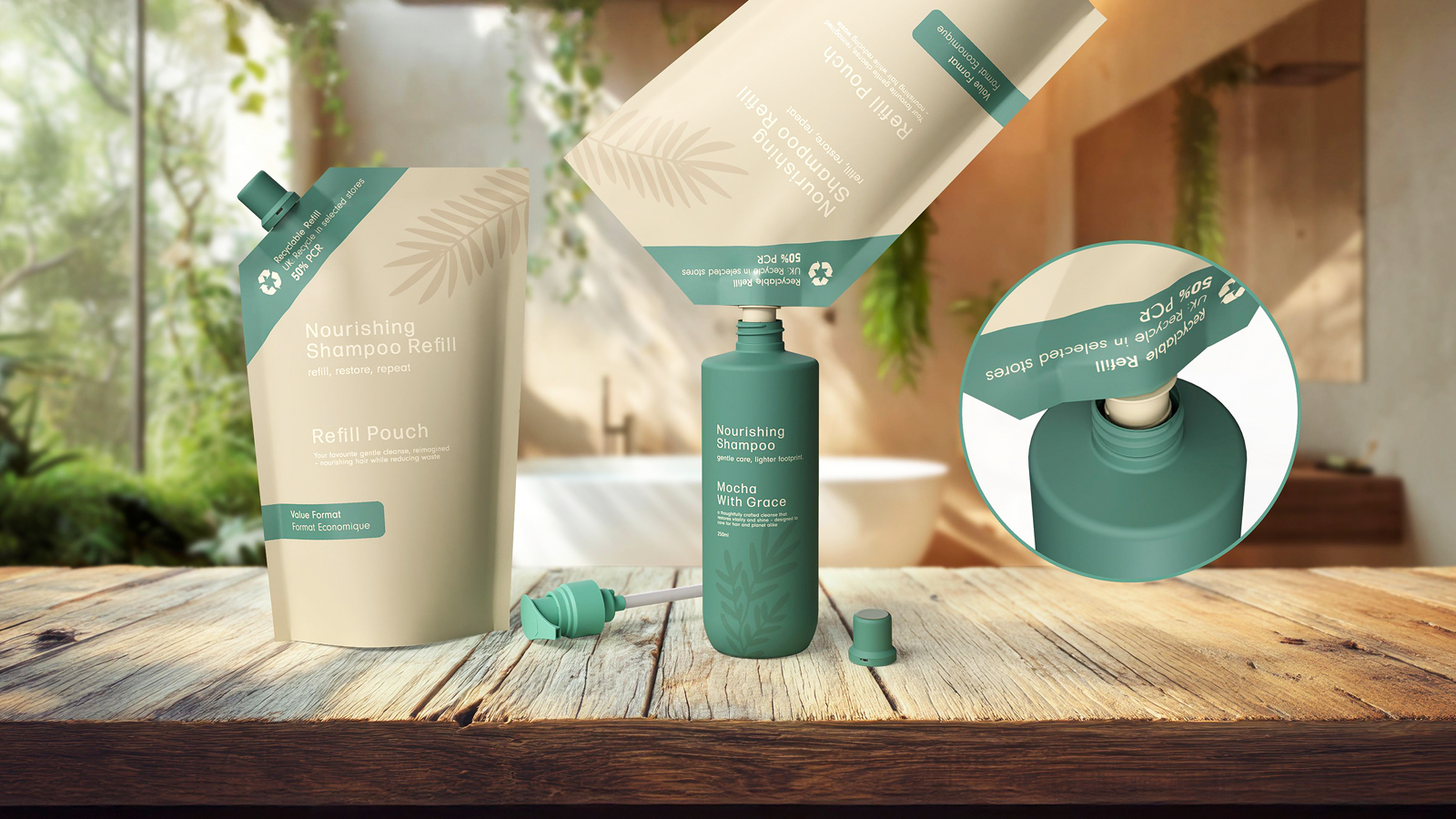
New consumer research by Amcor shows growing acceptance of refill packaging in the European personal care market. Based on a survey of 2,749 consumers across six countries, 66% reported purchasing a refill pouch in the past year. While sustainability remains a key purchase driver, affordability and convenience are equally important, with 86% expecting refills to … Read more

Embossing the Brand Experience

In today’s competitive beauty market, packaging has evolved far beyond its traditional 
role as a protective shell. It has become a multi-sensory interface, one that guides consumers through touch, light and structure while shaping perception at the very first contact.

Options for Niche Brands

The perfumery business is performing well, largely because it is benefiting not just from the opening of new markets, but also from the growth of niche brands, which are seducing growing numbers of consumers. In this context, packaging is part of the equation. Standard or bespoke?
It is a legitimate question.

Beyond Wood

How next-gen fibers are becoming a strategic imperative for sustainable beauty packaging: Over the last several years, we have all read the headlines – paper packaging is being positioned as the easy alternative to plastic use for beauty companies. The scaling back of plastic use is necessary, and paper is viewed as a simple swap.

Smart Fiber Packaging

Pharmaceutical and personal care manufacturers face increasing pressure to reduce greenhouse gas (GHG) emissions across their value chains, improve material efficiency, and strengthen supply chains against disruption. Packaging plays a role in all three areas. It must ensure product 
protection and regulatory compliance, while also influencing Scope 3 GHG emissions, logistics efficiency, and operational continuity.

Luxury Packaging

The luxury fragrance packaging sector is undergoing structural change, driven by shifting brand strategies and evolving consumer expectations. Two developments are particularly notable: the rapid emergence of niche brands in the high-luxury segment and the growing importance of 
sustainability, often framed as “clean luxury.”

Packaging Rules Shift

European cosmetics packaging is being reshaped by regulations, sustainability, and faster product cycles. Centralized, accurate packaging data and supplier integration are now essential for ­compliance, efficiency, and innovation.

Value Marker

10 principles to master secondary luxury packaging development in beauty: Packaging is a 
strategic pillar of contemporary luxury. In the beauty and luxury industry, but not only, it is a value marker, an emotional trigger and a strategic tool that shapes brand perception long before the product itself is experienced. Packaging is the first physical point of contact with the consumer.

Luxury Customization

Customization has become one of the most powerful drivers of transformation in beauty. ­
Today’s consumers expect far more than just functional products: they are increasingly ­seeking personalized products and experiences that reflect their identity, values, and aspirations.

Legal vs. Performance

Between legislation and performance – the new challenges of mono-material packaging. The cosmetics and personal-care sector is undergoing a structural shift toward more circular 
packaging solutions. Mono-material plastic packaging has quickly become a key design tool for boosting large-scale recyclability and helping brands meet tough sustainability and legal goals.

Packaging for Sensitive Products

One of the main tasks is to act as a central con­tractual partner, coordinating and aligning dif-
ferent process steps. This approach helps 
to simplify procedures, reduce reaction times, and en-
sure consistent quality standards. As a result, complex 
workflows become more transparent, flexibility increases, and outcomes can be achieved within predictable time-
frames.