Strategies for Thinning Hair

Hair and scalp products are increasingly presented through the number and novelty of their 
active ingredients. For formulators, however, the more relevant question is whether those 
materials perform distinct and compatible functions in a product that can be used consistently. The evidence must then support the finished formula and the specific claims made for it.
Biology at Work

As the cosmetics industry seeks more sustainable and efficient ways to produce high-­performance ingredients, fermentation is emerging as a next-generation manufacturing platform. By converting renewable feedstocks into valuable functional compounds, this biotechnology-
driven approach offers a compelling alternative to conventional production methods.

Fermented Beauty

The evolution of contemporary dermo-cosmetics is closely linked to the transition from conventional extraction methods to controlled biotechnological processes. Among these, precision bio-fermentation represents one of the most advanced 
responses to the need to combine high biological efficacy with stringent environmental sustainability criteria and rigorous chemical standardization across batches.

Preservation for Sensitive Skin

The list of approved preservatives in Annex V of the EU Cosmetics Regulation is extensive – but the way we think about them has changed dramatically. Over the years, the industry has moved away from traditional systems like formaldehyde donors toward more skin-friendly alternatives. ­Today, preservation is no longer just about protecting the product, but also about protecting the skin – especially when it comes to sensitive skin types.

AI-powered Trend Analysis

Beauty trends are developing at an unprecedented speed these days. The “Dewy Blush” look has spread across TikTok, triggering 
a global demand for creamy blush textures within a matter of days. What started as 
a spontaneous beauty tip, has evolved into 
a phenomenon that is motivating millions of consumers to seek products that give them 
a natural glow. This dynamic represents a ­fundamental change for the beauty industry: companies must react quickly or risk being left behind.

Everything Beauty begins here

Hair plays an important role in self-esteem and self-confidence. Increasingly, consumers are approaching hair care with a scientific and dermatological mindset, seeking solutions that address the root causes of hair and scalp conditions. Reflecting broader trends from skincare, attention has shifted to the cellular level, where longevity and vitality are central themes.

Vegan cosmetics

Veganism is often considered solely in terms of food and diet, but vegan beauty is one of the fastest growing industries with consumers globally. Over the last decade, veganism has gained significant traction worldwide; the number of vegans in the UK quadrupled between 2014 and 2019, while 13% of consumers across Asia identified as vegan in 2021.1

Toxicity of mineral filters

Sunscreens’ environmental impact is composition dependent. The bioaccumu­lation of UV filters in the aquatic food chain and known ­harmful effects on aquatic organisms makes ingredient selection critical when 
designing a new product. 

Controlling Skin Inflammation

The concept that chronic skin inflammation may be the source of skin inflammaging is expanding and so natural ingredients that can address sources of skin inflammation are desired. Chronic skin inflammation driven by activation of caspase-1 via skin cell NLRP (Nod-Like Receptor 
Protein) inflammasome activation is a strategic target for new skin care technologies.

Gen Z: Navigating the suncare market

Gen Z are the next generation of consumers who are reshaping the beauty industry with their unique preferences and values. It is important to explore and understand their attitudes towards suncare and the growing demand for mineral UV filters. It is also important for us at Croda to look at what the formulation challenges are when developing suncare products but also to seek and advise on solutions with science backed data.

Aging better, not just longer

Advancements in longevity research are shifting the focus from merely extending lifespan to improving healthspan–the years lived in good health. While modern medicine and lifestyle changes have increased life expectancy, aging remains closely linked to chronic diseases and declining quality of life. Emerging research on molecular hydrogen highlights its potential to counteract cellular aging, reduce oxidative stress, and promote overall well-being, offering a promising approach to achieve both longer and healthier lives.

Circularity: The future of Beauty

As sustainable practices become a driving force in consumer behaviour, the beauty, personal care, and cosmetic industries are finding themselves at a crossroads. No longer just a handy buzzword, circular and sustainable beauty focus on developing and designing products and processes that could minimise waste, reuse resources, and critically, extend the lifecycle of materials.

Optimise hydration

Ever heard of the term ‘holobiont’ in relation to skincare? Set to become one of the buzzwords in the beauty and skincare industry in 2025, it refers to the interaction between a host organism and its microbial system, typically found in the gut or on the skin.

Neurocosmetics: From skin to brain

Neurocosmetics is cosmetology acting on the connection between skin and the nervous systems. It represents a new holistic approach to skin well-being and human mental health. From the skin, to the heart, through the brain. This article will clarify the definition and among other things focus on clinical testing methodologies.

Hybrid beauty in Europe

2020 marked a pivotal turning point for the beauty industry. Emilija Balsyte, Research Analyst at Euromonitor International, shares insights on the hybrid beauty product landscape in Europe, the impact of COVID19, major drivers, and top multi-functional product categories.

The medicinal plant composition

Medicinal plants are an important ingredient for skin care. The following plants were chosen for Weleda’s Skin Food series one century ago: marigold (Calendula officinalis), camomile (Chamomilla recutita), wild pansy (Viola tricolor), and rosemary (Rosmarinus officinalis). This article presents an anthroposophical understanding of this plant composition. This first part will focus on marigold and camomile.

Balneology reworked

In the field of skincare research, there’s been a resurgence of interest in european balneology, particularly as it relates to therapeutic peat baths. Drawing on ancient traditions, european balneology harnesses the healing powers of natural remedies such as therapeutic peat to treat various skin conditions. This article examines the scientific research surrounding the clinical efficacy of Alpin Heilmoor Extract (AHE) when used in rinse-off applications and highlights its potential as a holistic skincare solution.

UV-filters in cosmetic products

In cooperation with the Vienna University of Technology (TU WIEN), Lignovations GmbH has demonstrated that refining bulk lignin into Colloidal Lignin Particles (CLPs) yields a cosmetics-grade multifunctional that can boost the in-vivo SPF of sun protection products by up to 50% or 11 SPF points.

Paving the way for eco-friendly suncare

When criteria for the EU Ecolabel scheme were reviewed in October 2021, a new classification for “leave-on products” was introduced. This means that finished suncare products can now be registered under the label.

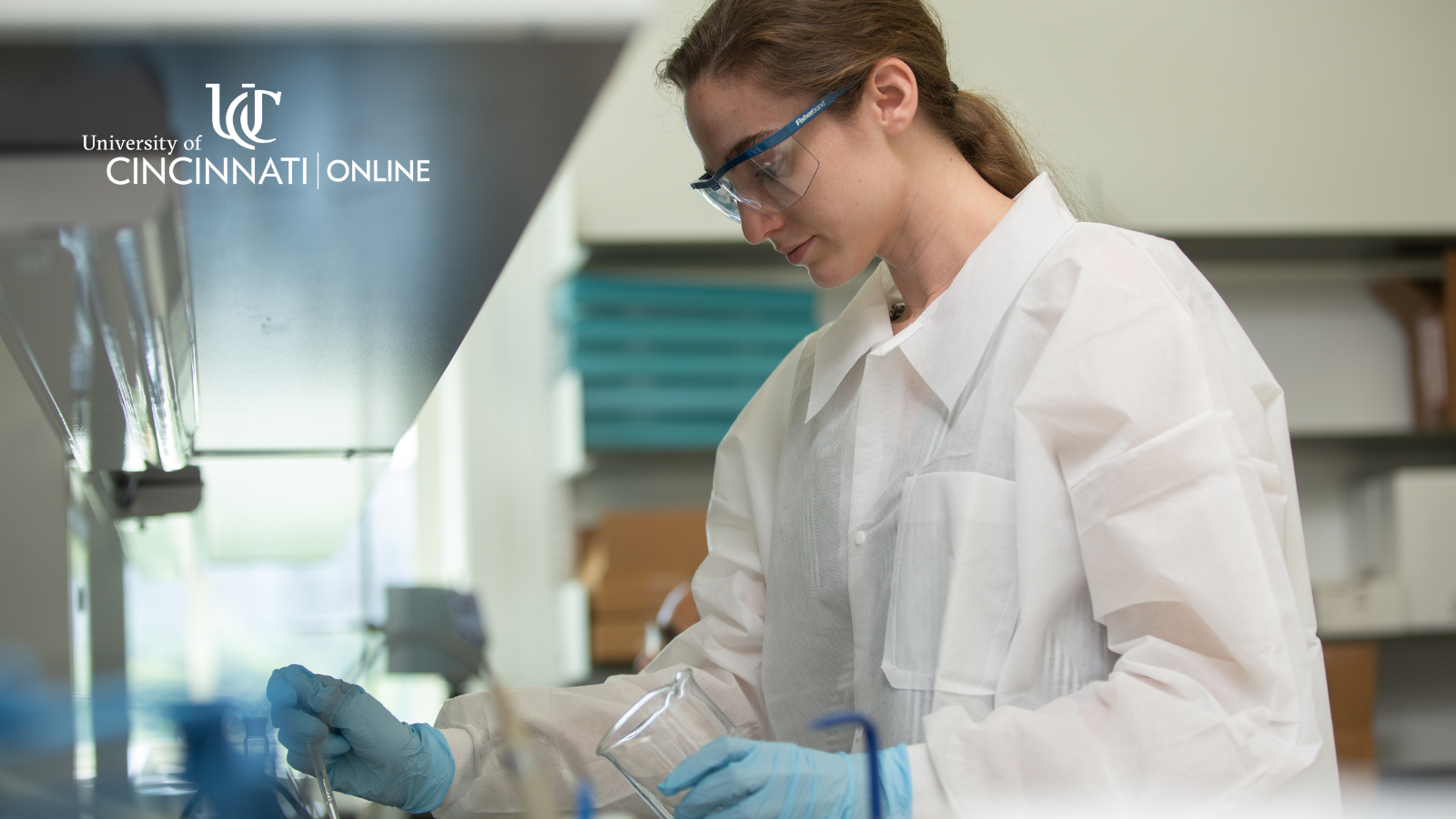
Get your Master of Cosmetic Science with our online program

The Science and Business Behind Cosmetics As part of the college of the UC James L. Winkle College of Pharmacy, the Master of Science in Cosmetic Science program teaches students how to use raw materials to make new products and then develop, formulate, and assess the safety and quality of the products for human use. Students … Read more