

Biosurfactants are gaining ground as formulators seek milder, biodegradable alternatives for modern hair care. Advances in production and formulation are helping address key challenges such as foam performance, compatibility, stability, and cost.
Biosurfactants are gaining ground as formulators seek milder, biodegradable alternatives for modern hair care. Advances in production and formulation are helping address key challenges such as foam performance, compatibility, stability, and cost.

The personal care packaging industry has entered a new phase of innovation where sustainability alone is no longer sufficient to differentiate products. While reducing plastic consumption and improving recyclability remain important objectives, packaging is increasingly expected to perform multiple functions throughout a product’s lifecycle. Beyond protecting cosmetic formulations, modern packaging must preserve ingredient stability, enable circularity, improve dispensing precision, strengthen consumer engagement and comply with an increasingly complex regulatory landscape.
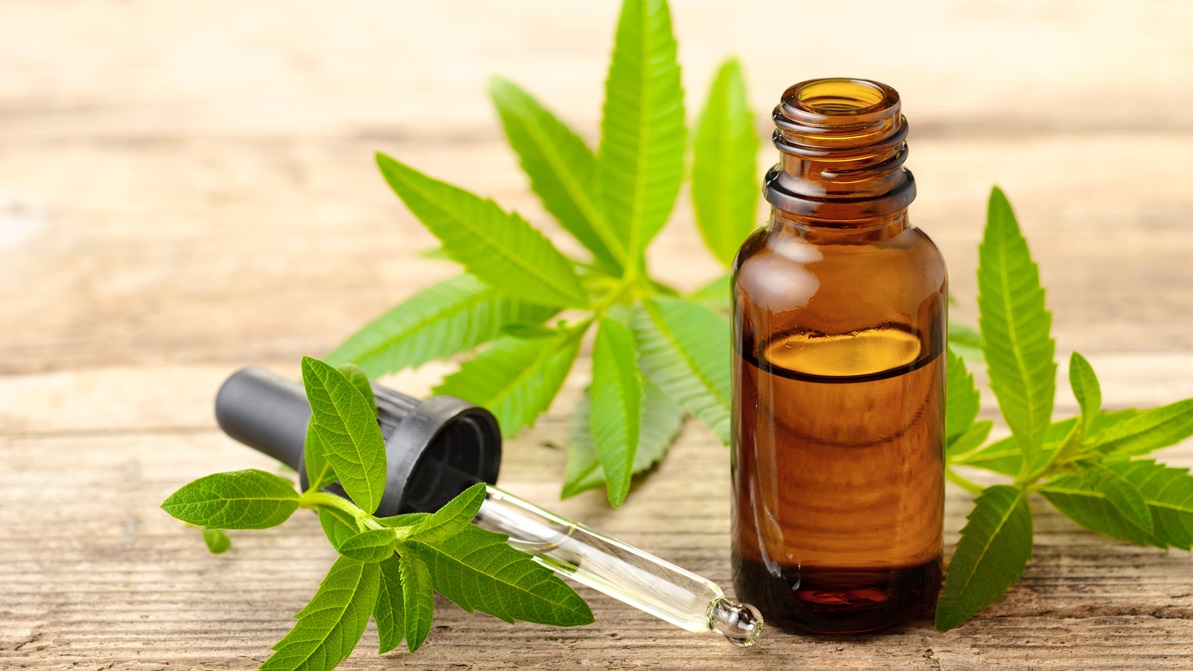
The company paves a new path for the cultivation of lemon verbena extract in Valencia, Spain. This sustainable approach illustrates the deep connection of the botanical extract and the company while providing locally sourced, reliable and standardized botanical extract. Lemon verbena is an aromatic plant native to South America. Scientific probes have revealed its rich … Read more

Next-generation hair care increasingly treats scalp and fiber as one connected system. Ceramides provide a useful example: they are endogenous lipids associated with barrier organization in skin and the lipid architecture of hair, while biotechnology and delivery systems are opening new ways to formulate them for scalp and fiber care.

How can the sustainability of a product be measured? One of the most common methods to date has been to calculate a product’s carbon footprint. This approach focuses exclusively on greenhouse gas emissions and their impact on climate change and global warming. It includes CO2 emissions from a company’s own production and from purchased energy, as well as the carbon footprint of the raw materials used and emissions caused by logistics.

A new 100% bio-based polymer has been developed to address both requirements and support the direction set by the European Packaging and Packaging Waste Regulation (PPWR). Made from renewable raw materials, the material is designed to provide performance comparable to conventional petrochemical-based plastics. Unlike many bio-based alternatives that require separate end-of-life pathways, it can enter … Read more

In recent years, the packaging sector has come under increasing scrutiny, as brands seek to reconcile aesthetic expectations, technical properties, regulatory constraints, and environmental responsibility. This growing focus has accelerated the exploration of alternative materials and production methods.

Innovation in cosmetic packaging is no longer driven solely by design or functionality, but increasingly involves the choice of materials. Growing attention toward reducing the use of fossil resources has accelerated the research into bio-based solutions. However, the real challenge for the industry does not simply lie in replacing conventional plastic with a material derived from renewable sources. A new material must meet the same requirements demanded by the market: processability, consistency, aesthetic quality, compatibility with production lines, and stable mechanical performance.
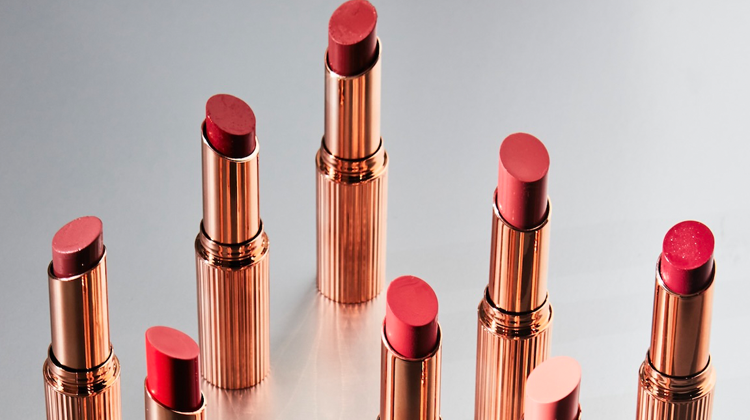
Act Beauty is expanding its full-service makeup and skincare capabilities following the acquisition of Lavay in 2024. The group is integrating formulation, sourcing, accessories, packaging, quality management, and regulatory oversight to support brands across the product development process. Lavay adds established expertise in makeup and skincare development, an industrial partner network, and experience in regulatory, … Read more

As European rules on green claims tighten, the challenge for cosmetic brands is no longer to find something green to say, but to say only what can be proven – and to build communication that holds up under scrutiny. Green claims carry the most weight when they are not, in the marketing sense, claims at all, but the natural output of how a business operates.
Over the past several years, we have noticed a significant shift in how companies approach sustainable packaging. What was once primarily driven by environmental responsibility and brand positioning is increasingly becoming a question of competitiveness, resilience, and long-term economics.
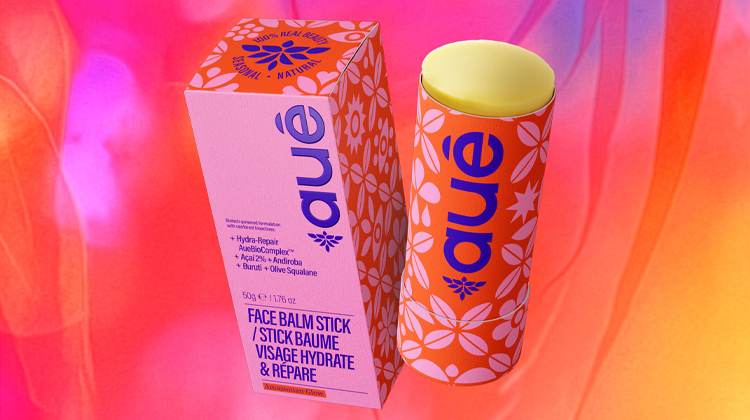
London Packaging Week has announced 87 finalists for its 2026 Innovation Awards, selected from hundreds of international entries across 18 categories. The shortlisted projects cover luxury, beauty, premium drinks, food, consumer goods, and sustainability, with a focus on commercial, environmental, and consumer value. Key trends include the growing use of fiber-based materials, increasingly sophisticated mono-material … Read more

As the cosmetics industry seeks more sustainable and efficient ways to produce high-performance ingredients, fermentation is emerging as a next-generation manufacturing platform. By converting renewable feedstocks into valuable functional compounds, this biotechnology- driven approach offers a compelling alternative to conventional production methods.
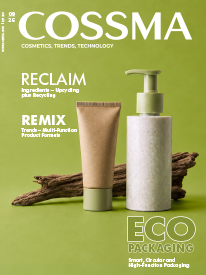
Issue 09 – 2026 Here is what you can look forward to in this issue: Reclaim:Ingredients – Upcycling plus Recycling Remix: Trends – Multi-Function Product Formats Eco Packaging:Smart, Circular and High-Function Packaging Get an e-paper subscription Issue 09 – 2026 Here is what you can look forward to in this issue: Reclaim:Ingredients – Upcycling plus … Read more
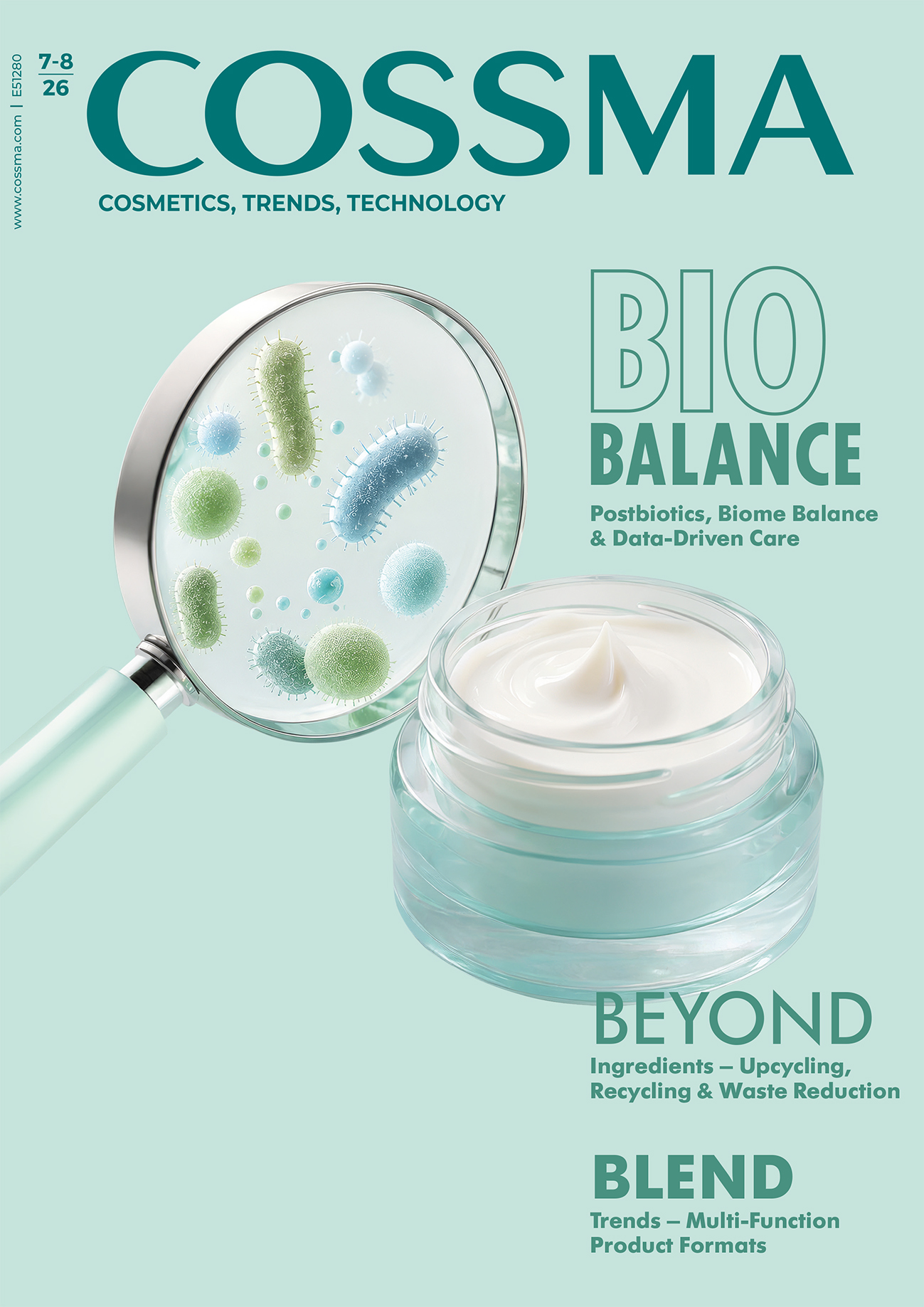
Issue 07/08 – 2026 Here is what you can look forward to in this issue: Bio Balance:Postbiotics, Biome Balance 6 Data-Driven Care Beyond: Ingredients – Upcycling, Recycling & Waste Reduction Blend:Trends – Multi-Function Product Formats Get an e-paper subscription Issue 07/08 – 2026 Here is what you can look forward to in this issue: Bio … Read more

Cosmetic brands and their packaging supply partners across Europe are facing what may be the most complex regulatory landscape the industry has ever encountered. While the Packaging and Packaging Waste Regulation (PPWR) will come into effect on August 12, 2026, the UK’s Extended Producer Responsibility (EPR) initiative has entered its next phase, with the Recyclability Assessment Methodology (RAM) set to modulate EPR fees.

In today’s competitive beauty market, packaging has evolved far beyond its traditional role as a protective shell. It has become a multi-sensory interface, one that guides consumers through touch, light and structure while shaping perception at the very first contact.
Cosmetics that emphasize natural, organic, and clean ingredients–alongside a more sustainable approach to the entire product lifecycle–are rapidly gaining popularity. It’s a movement no brand can ignore. Here, you’ll discover a curated selection of formulations and ingredient suppliers that capture today’s most relevant trends.

How next-gen fibers are becoming a strategic imperative for sustainable beauty packaging: Over the last several years, we have all read the headlines – paper packaging is being positioned as the easy alternative to plastic use for beauty companies. The scaling back of plastic use is necessary, and paper is viewed as a simple swap.

Pharmaceutical and personal care manufacturers face increasing pressure to reduce greenhouse gas (GHG) emissions across their value chains, improve material efficiency, and strengthen supply chains against disruption. Packaging plays a role in all three areas. It must ensure product protection and regulatory compliance, while also influencing Scope 3 GHG emissions, logistics efficiency, and operational continuity.