Plastics
London Packaging Week has announced 87 finalists for its 2026 Innovation Awards, selected from hundreds of international entries across 18 categories. The shortlisted projects cover luxury, beauty, premium drinks, food, consumer goods, and sustainability, with a focus on commercial, environmental, and consumer value. Key trends include the growing use of fiber-based materials, increasingly sophisticated mono-material … Read more
Cosmetic brands and their packaging supply partners across Europe are facing what may be the most complex regulatory landscape the industry has ever encountered. While the Packaging and Packaging Waste Regulation (PPWR) will come into effect on August 12, 2026, the UK’s Extended Producer Responsibility (EPR) initiative has entered its next phase, with the Recyclability Assessment Methodology (RAM) set to modulate EPR fees.
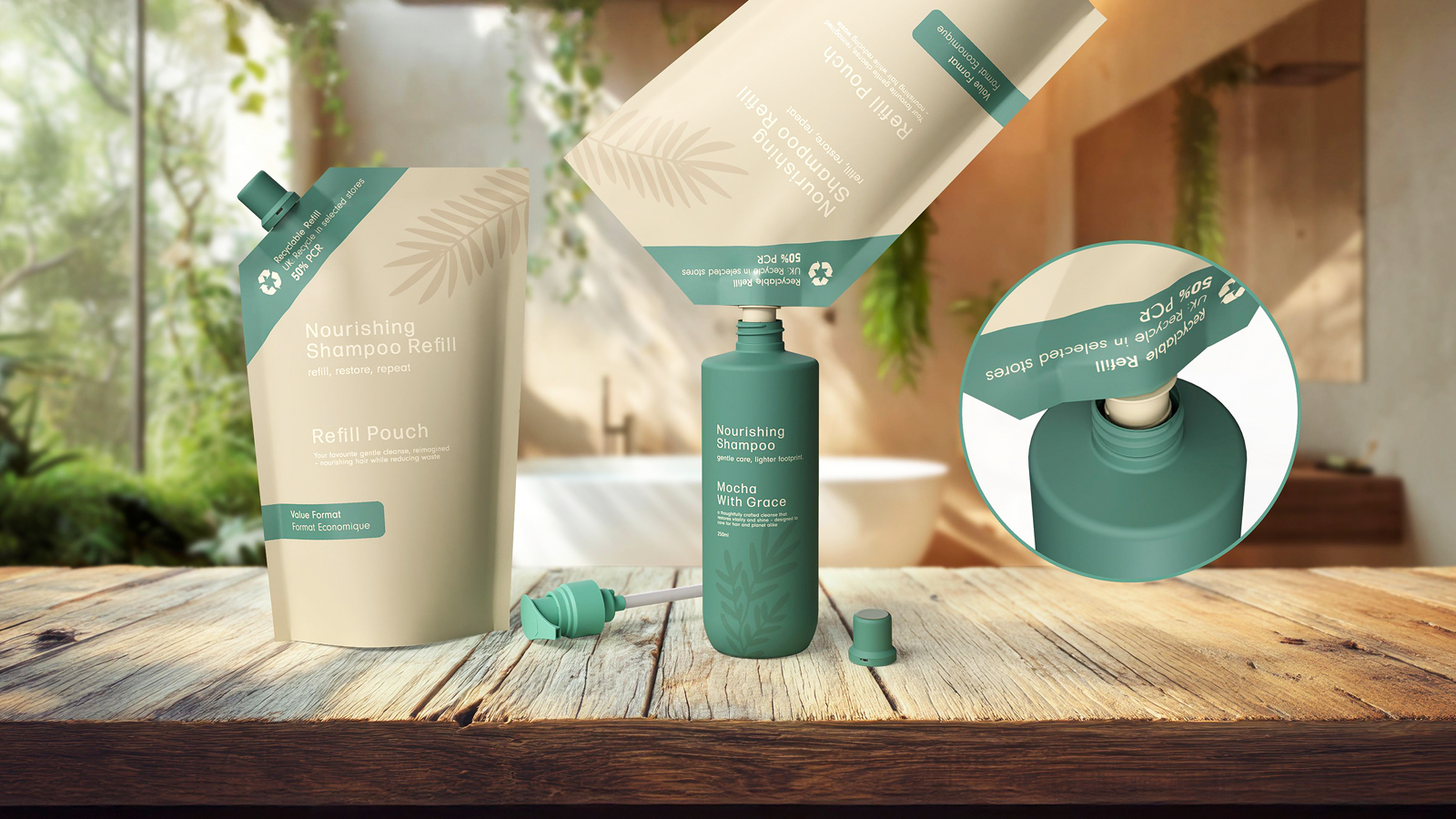
New consumer research by Amcor shows growing acceptance of refill packaging in the European personal care market. Based on a survey of 2,749 consumers across six countries, 66% reported purchasing a refill pouch in the past year. While sustainability remains a key purchase driver, affordability and convenience are equally important, with 86% expecting refills to … Read more
Imagine a world where every product we use leaves a positive mark on our planet. Packaging plays a crucial role in this vision. Our current waste problem demands urgent attention, and packaging is a significant part of the puzzle. The buyers’ mission is to seek out and implement groundbreaking, sustainable packaging solutions. So, what innovative approaches can we consider to make packaging more eco-friendly? Let’s dive in and explore how we can revolutionise packaging for a greener future!
Global plastic production has been growing for decades, booming from 1.5 million of tonnes in 1950 to more than 400 million metric tons in 2022 worldwide, just like the amount of plastic waste. The key to reduce this amount of waste is recycling. Aude Laclaire, Sustainability Manager at Albéa Tubes, talks about challenges and opportunities in integrating Post Consumer Recycled Content (PCR) in plastic packaging.
For the first time, the Bekum Group opened its doors to customers and interested parties to the Bekum Blow Moulding Days 2024 at the Traismauer site. Over 100 participants from more than 20 countries accepted the invitation to this important event. The two-day symposium from 20th to 21st February offered a unique platform for specialist … Read more
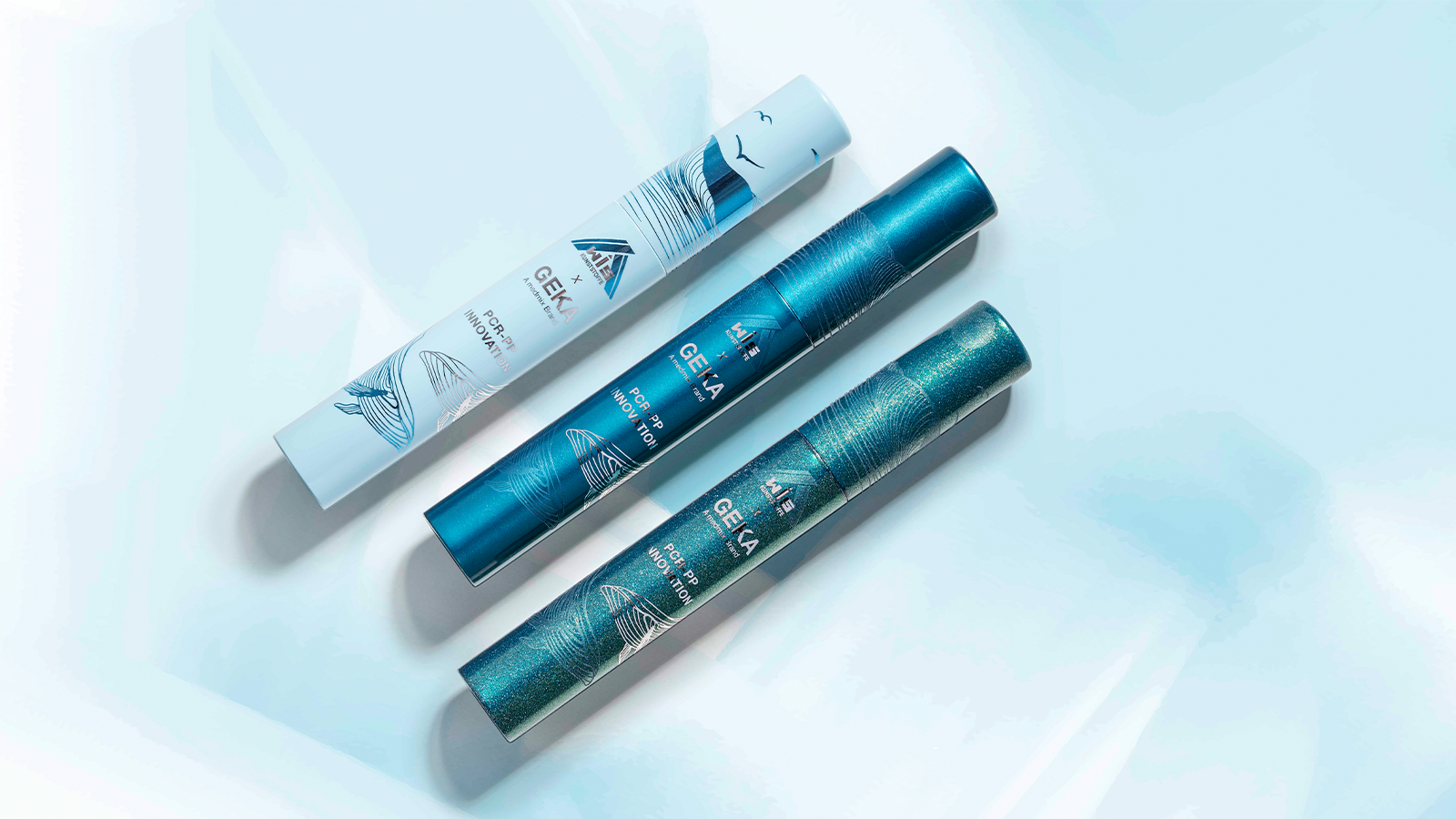
GEKA, medmix’s beauty brand, is revolutionizing the cosmetics packaging market with a breakthrough material innovation in sustainable cosmetics. The first ever bulk and formulation compliant post-consumer-recycled (PCR) polypropylene (PP) material suitable for primary cosmetic packaging. The new material provides unprecedented color brilliance, guarantees no loss of visual effects and saves 75% CO2-emissions compared to virgin … Read more
When it comes to sustainability, reducing the use of materials is a top priority. This is why Herma is further expanding its range of particularly lightweight self-adhesive label materials, the so-called Thin Range. The latest addition is the HERMA PP white light (grade 884) plastic film in combination with the special film adhesive 62Xpc. The … Read more
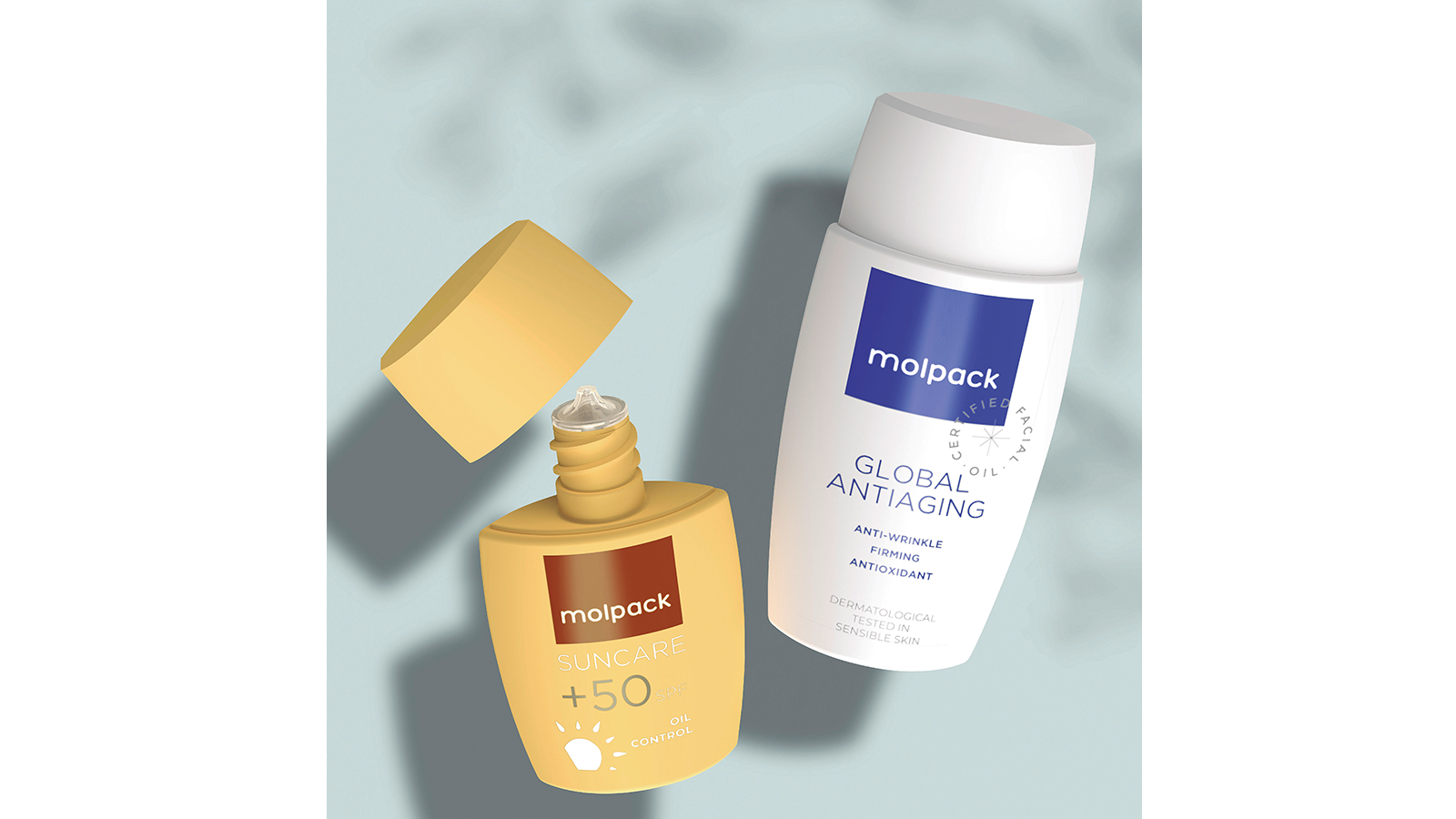
The company introduces a new range of Tottles with an ergonomic oval design more respectful to the environment. We are talking about two new references of Tottles reciclable and recycled. Two new references that to further boost eco-sensitive targets, can also be developed using PCR materials, manufactured with the customer’s desired percentage of recycled material … Read more
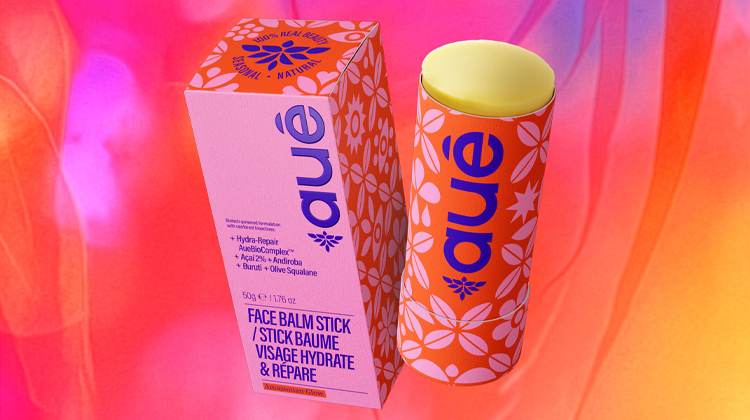
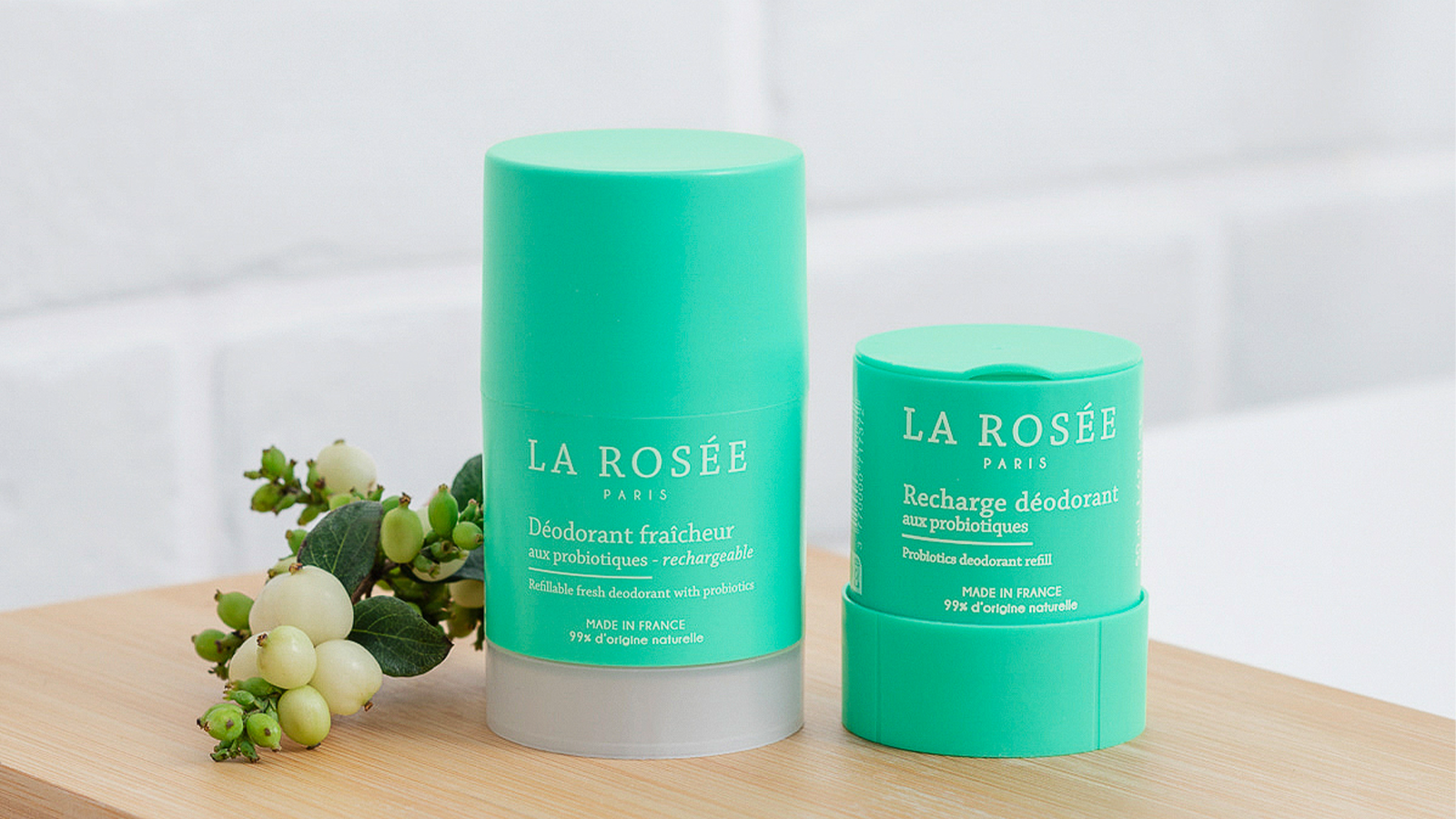
Berry Global is launching a refill version of its popular Exclusive stick, ideal for a wide range of personal care applications, including deodorants and solid formula face care and body care products. Part of Berry’s B Circular Range of sustainable packaging solutions, the Exclusive Refill adds reusability to the Exclusive’s existing benefits of mono-material construction … Read more
Sustainability is now an integral part of the beauty industry. Cosmetic brands, ingredient suppliers, packaging firms, and retailers are all looking at various ways to become more sustainable. It is now common for operators to use language like net zero, carbon footprint, metrics and waste materials when speaking about sustainability.
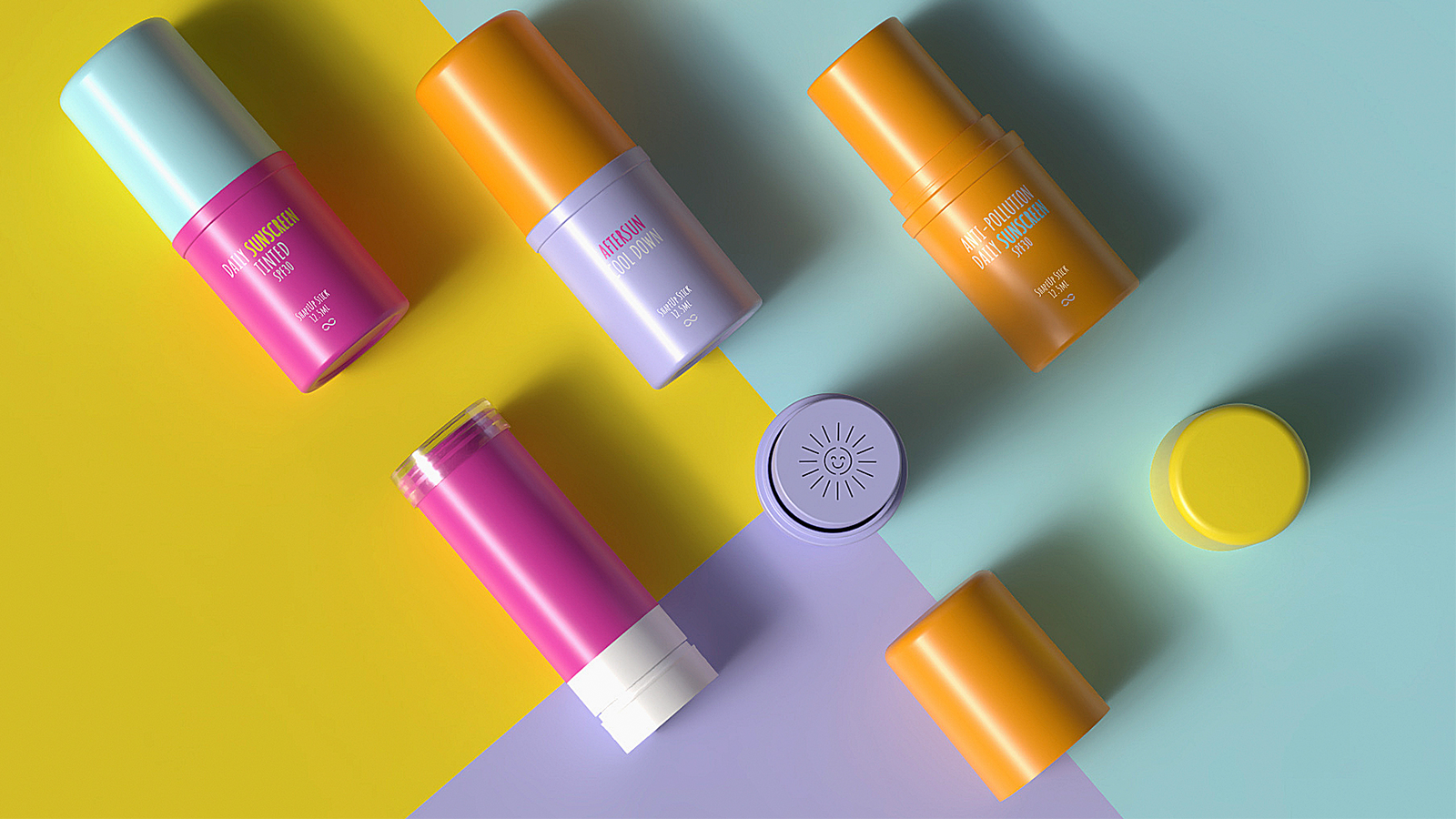
The company introduces the “ShapeUp Stick” . This 12.5ml panstick dispenses a beauty product in a unique, personalised shape. Whether it’s a logo, a symbol, or any geometric pattern that adds meaning and helps tell a story, “ShapeUp” boosts brand equity and engages consumers like no other product. The stick is easily refillable and recyclable, … Read more
The brand’s new “I-CARE” Collection not only offers high-quality beauty products but also demonstrates a tangible commitment to environmental protection. New: its innovative use of mono-material PET (Polyethylene Terephthalate). While PET is commonly used for plastic bottles, the I-CARE Collection takes things a step further by employing PET in a groundbreaking manner for cosmetic product … Read more
If new products are launched or existing items are relaunched, manufacturing companies have to act quickly and adjust their filling and packaging processes. 3D printing could be a time and cost saving solution to that problem. Martin Sauter, Sales Director at Gerhard Schubert GmbH, introduces the new 3D printing system for exchangable machine parts.
When it comes to creating more sustainable beauty packaging, a lot can be achieved by recycling and reusing materials – but how about not using those materials in the first place? Companies can opt for a number of approaches in reducing the weight, materials, and particularly plastics contained in their packaging. The industry is therefore called upon to look for new solutions step by step in order to come closer to the goal of combining the elements of recycling, reusing and reducing in the best possible way.
The company’s full service Perfect Lines liquid eyeliners offer superior formulas paired with attractive body styles and exceptionally precise applicator tip options. Utilising Japanese raw materials and made in France, these fully realised eyeliners are vegan, Sephora Clean and come with completed compatibility reports, short lead times and a low MOQ. www.asquangroup.com
Microplastic is often used in make-up products like foundation. But micro-powders entirely made from circular resources could be the solution to replace microplastic entirely. Kathrin Schilling, Founder of BioPowder, gives insight into the benefits of turning fruit shells and stones into an ingredient for personal care products.