Life Cycle
Assessment

How can the sustainability of a product be measured? One of the most common methods to date has been to calculate a product’s carbon footprint. This approach focuses exclusively on 
greenhouse gas emissions and their impact on climate change and global warming. It includes CO2 emissions from a company’s own production and from purchased energy, as well as the 
carbon footprint of the raw materials used and emissions caused by logistics.
Nilotica Shea Butter

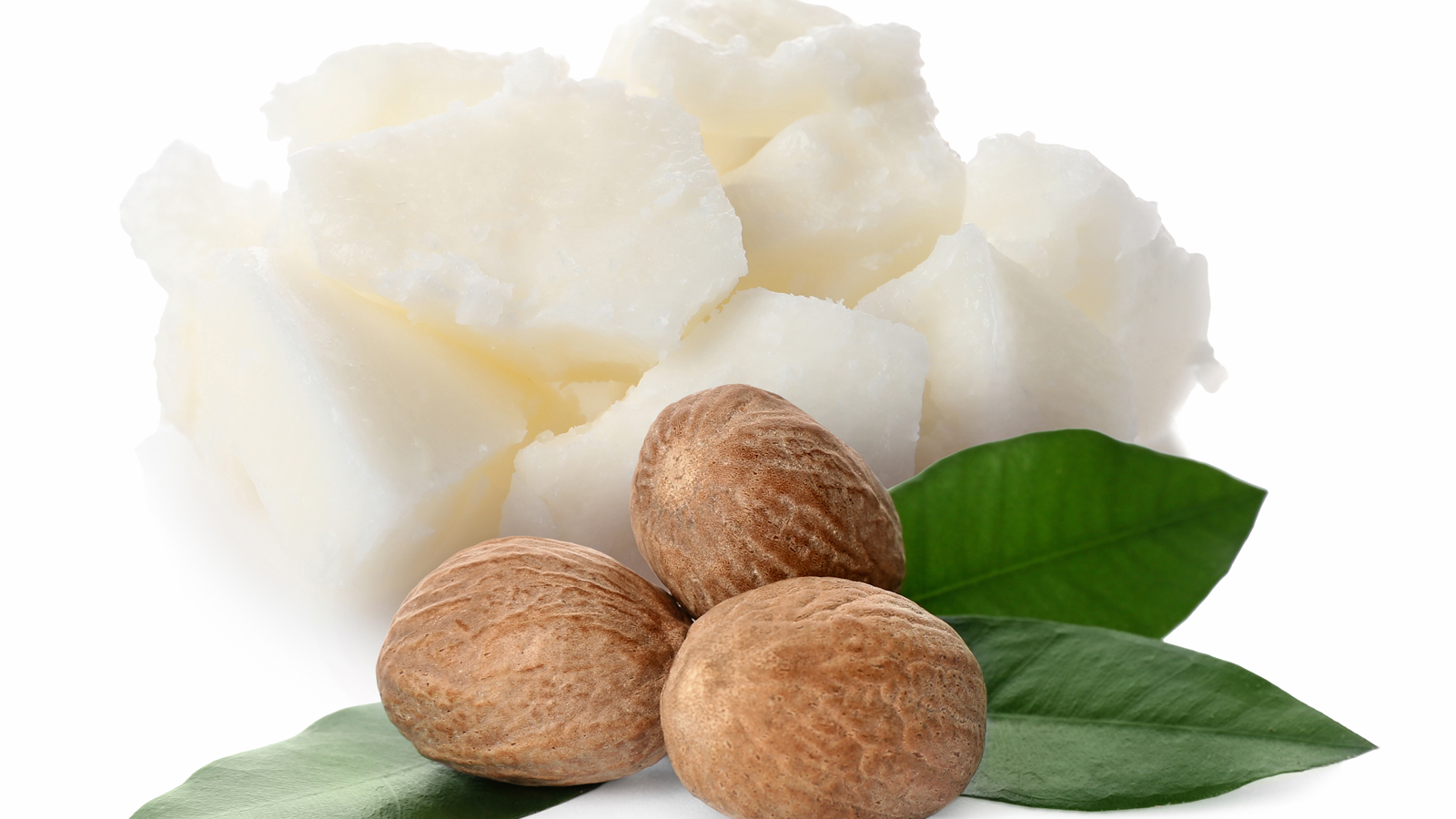
Formulating leave-on skin care requires balancing sensory performance, stability, efficacy at low use levels, and demand for traceable natural ingredients. Conventional shea butter is a well-
established emollient, but its lipid profile can require additional formulation adjustments. East 
African shea butter offers a different lipid composition that may provide an alternative starting point for specific formulation needs.

Microbiome 3.0

For decades, the beauty and personal care industry viewed bacteria as something to eliminate, emphasizing deep cleansing and odor removal. Today, microbiome science has fundamentally reshaped that perspective. The skin microbiome is now understood as a complex ecosystem of microorganisms that interact closely with immune and barrier functions, and healthy skin 
depends not on sterility, but on the balance and functionality of this microbial community.

More than Anti-Aging

For decades, “anti-aging” has been one of the most powerful concepts in beauty marketing, promising to “fight,” “reverse” or “stop” visible signs of aging. Today, however, this narrative is 
increasingly seen as outdated. Rather than framing aging as something to combat, consumers are seeking positive and inclusive approaches that respect the skin’s natural evolution.

Engineered by Nature

The natural skincare market has embarked on a critical new chapter from August 2025 to 
February 2026. The natural ingredients in the market are not just seen as heritage ingredients that evoke the natural clean label connection anymore but are instead being retooled by 
suppliers and brands as quantifiable biologic performers.

Glow Inside Out

A decade ago, beauty content was created to perform well on social media feeds, with sculpted contour and high-impact looks designed to trend on Instagram. But in 2026, those expectations are shifting. Consumers are no longer seeking beauty that only delivers in the moment. Instead, they are looking for solutions that support long-term skin, hair and nail health – reflecting a deeper understanding that visible beauty is shaped by what happens beneath the surface.

The perfect products

Biologically, all hair is the same. It is made out of keratin and consists of three layers: the cuticle, cortex, and medulla. However, different hair types exist, and curly and coily textured hair does have distinctive characteristics that require an adaptation to the hair 
care routine, which differs from straight hair. In this article, we explore the special 
characteristics of curly and coily hair, look into the ingredients that should be considered for product invention, and dive into how the hair care regimen can be tailored to meet 
the specific needs of curly and coily hair to make them bouncy and smooth.

The medical plant composition

Medicinal plants are an important ingredient for skin care. The following plants were chosen for Weleda’s Skin Food series one century ago: marigold (Calendula officinalis), camomile (Chamomilla recutita), wild pansy (Viola tricolor), and rosemary (Rosmarinus officinalis). This article presents an anthroposophical understanding of this plant composition. Part one (published in COSSMA 4/2024) focused on marigold and carmomille, while this second part will highlight wild pansy and rosemary.

She(a) is a hero!

In the ever-evolving cosmetic landscape, one ingredient has steadily gained prominence for its nourishing benefits and naturalness: shea butter. However, ethical sourcing of shea remains a challenge as millions of African women and their families depend on the industry for a living. A new project by Bremen-based oil supplier Henry Lamotte Oils focuses on ethical shea sourcing – improving the lives of African women while helping cosmetic companies achieve their sustainability goals.

Structured triacylglycerols – opportunities for natural cosmetics

Structured triacylglycerols (TAGs) that are organic-certified present a broad range of new applications for the development and formulation of natural cosmetics. Nutriswiss AG, a Swiss company that specialises in the sourcing and processing of vegetable oils and fats, has recently investigated some novel tools and methods to replace palm fat with organic-certified vegetable alternatives such as shea or cocoa butter.

Azelaic acid in sun care products

Azelaic Acid, a dicarboxylic acid, thanks to its antibacterial, antioxidant, keratolytic and comedolytic activity, is gaining more and more popularity every day in the skincare sector. Azelaic acid is a naturally occurring C9 dicarboxylic acid derived from Pitysporum ovale, it is also naturally produced by a yeast, Malassezia furfur. An active with these abilities can surely find its applicability in sunscreen and after-sun products.

Mineral sun care emulsions

With the growing awareness of the importance of sun protection, the requirements for sun care products are growing as well. Sophie Rübel, Technical Marketing Lead at Croda GmbH, is on the trail of stable sun care emulsions with mineral UV filters.

Health-span beauty

Aging, or rather anti-aging, has been a star category in the beauty industry for decades. But a societal move towards self-acceptance is on the rise. Beautystreams, the global beauty industry reference, shares insights into the impact of longevity on our industry. 

The effects of the blue rose

Research on skin and scalp flora in relation to diseases such as atopic dermatitis, dandruff, and alopecia areata is increasing. Tribeauté has developed an extract of Blue Rose flowers as a cosmetic ingredient to prevent such diseases and support skin and scalp health.

Roelmi HPC

ROELMI HPC The company is thrilled to introduce the rebranded line of outstanding texture enhancers now known as EMotion. This rebranding initiative is part of an ongoing commitment to enhancing Roelmi HPC’s product portfolio and ensuring a cohesive brand identity. Under the new brand name EMotion, this collection of cosmetic esters unveils itself as a … Read more

Ecologically responsible formulations

Terms such as ‘sustainable’, ‘natural’ and ‘green washing’ are brandished about all too often 
these days; yet consumers want cosmetic products from companies who show they care about the ­environment, the community, and even align with their personal values. Just how can your cosmetic brand create truly ecologically aware cosmetic products?

The protective role of vitamins

The visible impact of reduced hair density, in the form of thinning or loss of hair, is a significant consumer concern in the world of hair and scalp care and can be particularly distressing 
for affected individuals. A mix of different vitamins could be the solution for that.

Turning back the skin’s “age clock”

Growing old without looking old: To date, the eternally sparkling fountain of youth has been no more than a beautiful dream. But in this respect, we can do more than we may think. Studies prove that by living a healthy lifestyle, it is possible for us to turn back the “age clock” of our cells. After 15 years of research, Beiersdorf AG, one of the pioneers in the field of skin epigenetics, achieved another milestone in terms of anti-aging with its patented Skin Age Clock technology.

Cosphatec

Cosphatec GmbH expands its emulsifier range with the new natural emulsifier: Cosphaderm GS Connect is a natural, COSMOS- and NATRUE-approved anionic O/W emulsifier that is ideal for creating stable and sustainable emulsions. This reliable and robust ingredient has a proven INCI and is compatible with a wide range of other ingredients, making it an ideal … Read more

The power
of recharge

Cosmetics manufacturers have to meet 
a whole catalogue of sustainability criteria to meet consumers’ expectations. 
A recharcheable pencil could be a new ­interpretation of sustainability.  Christian ­Eisen of Faber-Castell Cosmetics assesses the chances and problems of such a product.