Measuring skin
with AI

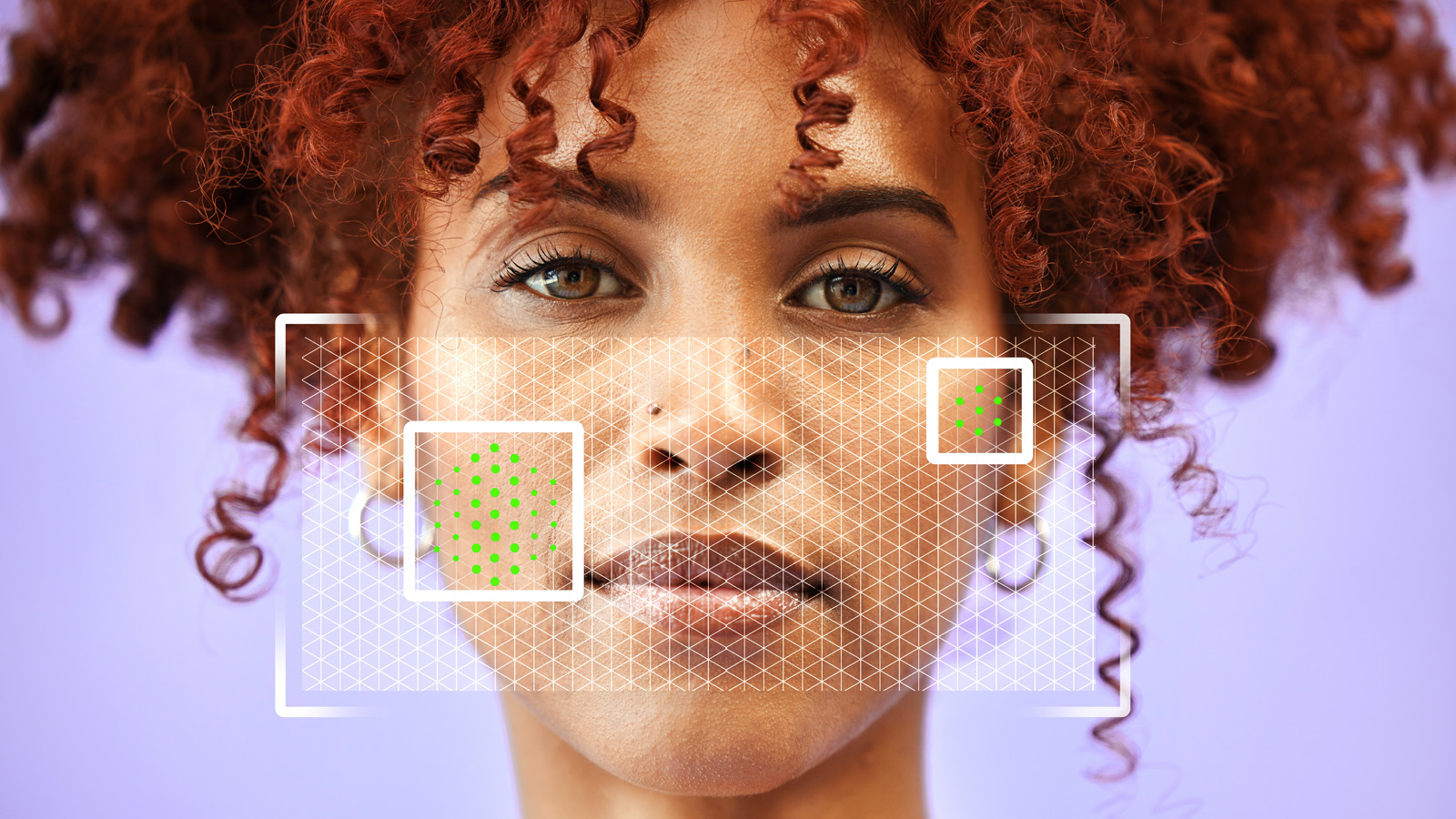
Artificial intelligence is opening up new 
possibilities for the objective assessment of skin in cosmetic research and product development. Instead of relying primarily on visual grading, AI-based image analysis can quantify changes across multiple skin parameters 
and potentially enable larger, more diverse and decentralized studies. In this interview, 
Anastasia Georgievskaya, CEO and Co-
Founder of Haut.AI, … Read more

L’Oréal and Walgreens back AI biomaterials start-up

Shenzhen Boyin Biotechnology Chinese biotechnology company Shenzhen Boyin Biotechnology has raised US$27.5 million in Series A and A+ financing. The funding was co-led by L’Oréal’s BOLD investment fund, a fund established by Walgreens and Guangzhou Pharmaceutical, and Guangxin Fund. Founded in 2021, Shenzhen Boyin combines synthetic biology and artificial intelligence to develop biomaterials for beauty, … Read more

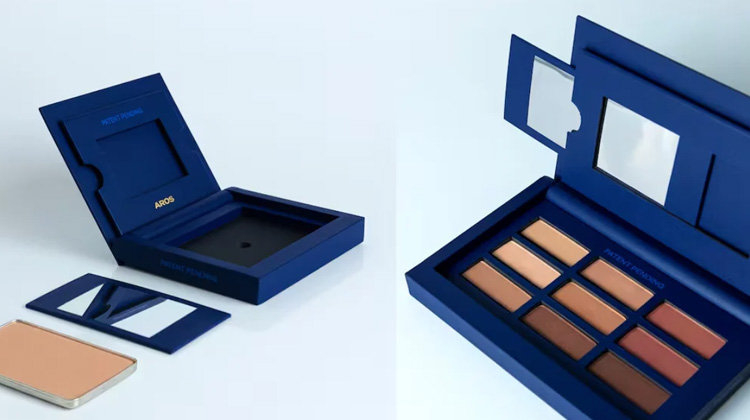
A paper compact with a bamboo hinge

Aros Group Aros Group has unveiled Paper Palette, a make-up compact whose structure is primarily made from paper. The design features a self-locking hinge that combines a bamboo pin with specially engineered paper components. A patent application for the mechanism is pending. The hinge is designed to keep the compact’s mirror in the selected position … Read more

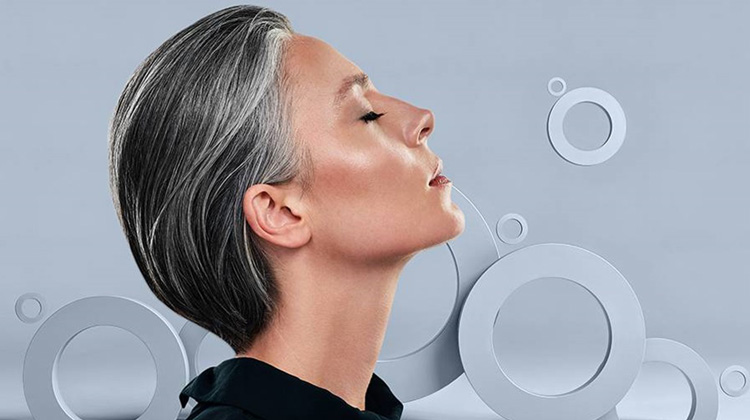
Targeting the biology of menopausal skin

Silab Silab has introduced “Metallomia”, a natural active ingredient derived from marshmallow roots and developed for menopausal skin. The ingredient targets ferritinophagy, a cellular process involved in iron regulation, with the aim of supporting the controlled release of iron in the skin. According to the supplier, a modelling study identified a deficiency in ferritinophagy in … Read more

Global Beauty Expansion

Operational readiness for global expansion is highly important for todays beauty brands – no matter the sector. Annie Spencer Wermuth, Founder of Alato World, explains why operations is a growth discipline, not just a support function. For beauty brands, international expansion can look deceptively simple from the outside: identify a promising market, secure distribution, move … Read more

Sponsored Post

Biofilms: the hidden threat to personal care manufacturing

A surface that looks clean may still harbour biofilms: communities of microorganismsenclosed in a protective matrix. Found in water systems, manufacturing equipment andwet processing areas, they can resist conventional cleaning and sanitisation, creatingan ongoing source of contamination. For personal care manufacturers, the consequences can include inconsistent productquality, reduced shelf life, production downtime and increased water … Read more

The Age of Proof

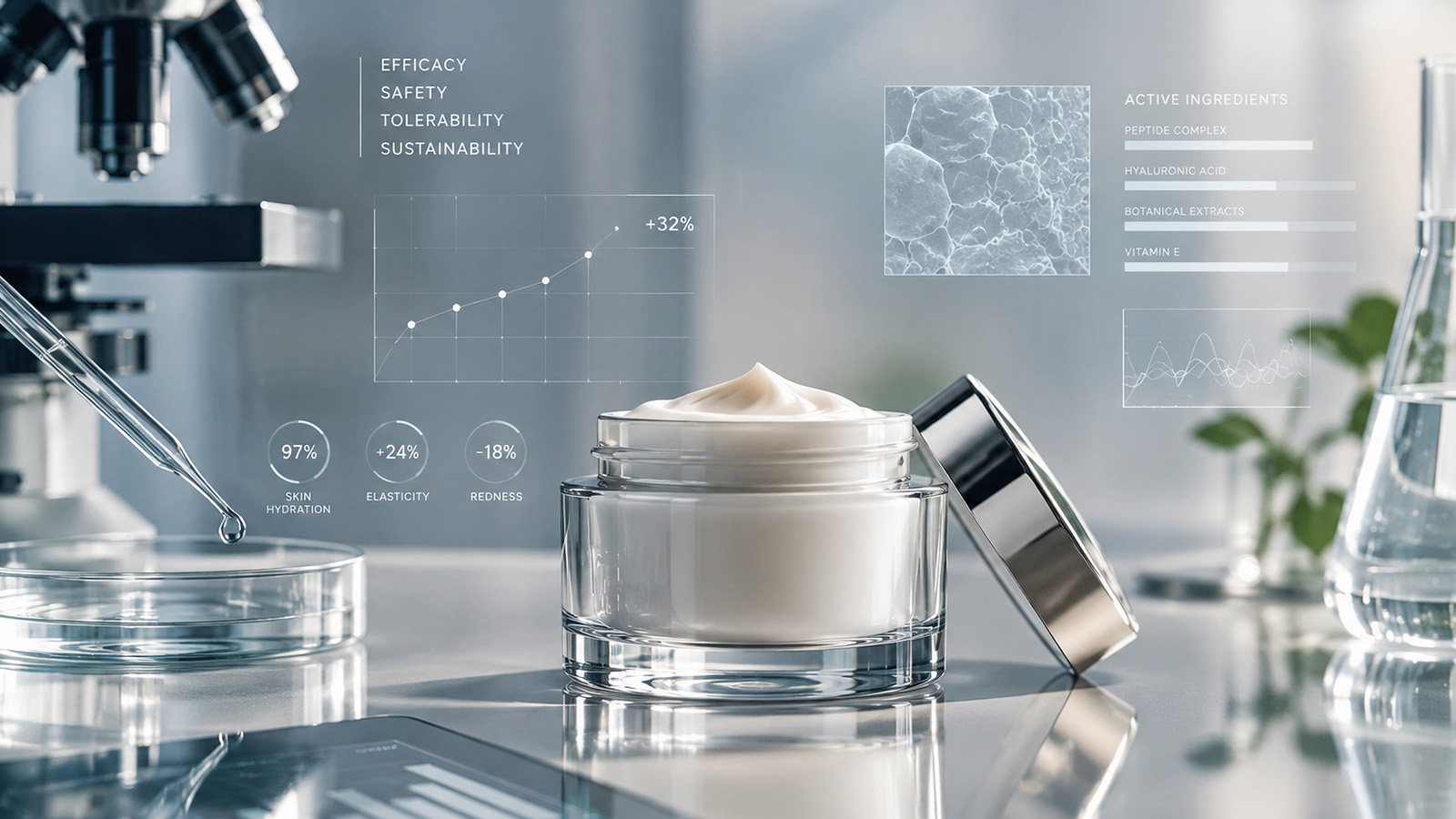
In beauty and wellness, promising more is no longer enough. Consumers are becoming increasingly interested in what products can demonstrably deliver, from proven efficacy and measurable results to functional design and transparent communication. As evidence increasingly shapes perceptions of value and trust, the industry is moving from aspiration towards substantiation. This article looks at the forces behind this shift and how they are influencing product development, packaging and the consumer experience.

Strategies for Thinning Hair

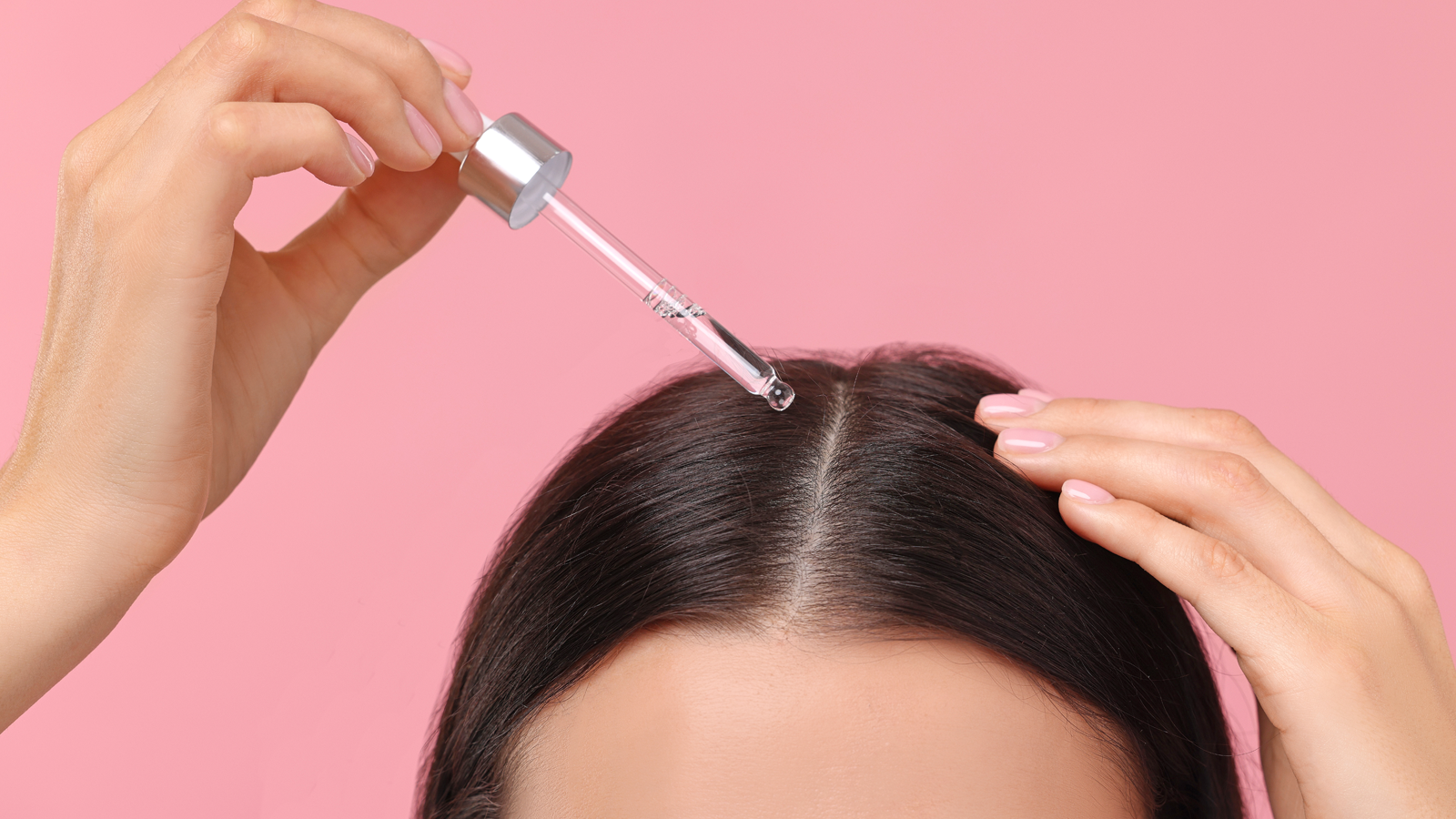
Hair and scalp products are increasingly presented through the number and novelty of their 
active ingredients. For formulators, however, the more relevant question is whether those 
materials perform distinct and compatible functions in a product that can be used consistently. The evidence must then support the finished formula and the specific claims made for it.

Monteloeder

New preclinical research provides insights into how a polyphenol-rich botanical combination may support hair follicle function and resilience. The formulation combines standardized extracts of lemon verbena, olive leaf, Japanese pagoda tree, and rosemary and contains bioactive compounds including verbascoside, oleuropein, hydroxytyrosol, quercetin, carnosol, and carnosic acid. The study, published in Biomolecules in August 2026, investigated … Read more

China’s Beauty Market

The Chinese cosmetic market in 2025 was characterized by a profound structural transformation, moving from mass-market expansion to high-quality, brand-driven competition. The market is defined by the ascendance of domestic brands, increasingly rational and sophisticated 
consumer habits, and a dynamic but challenging competitive landscape.

Science of Nature

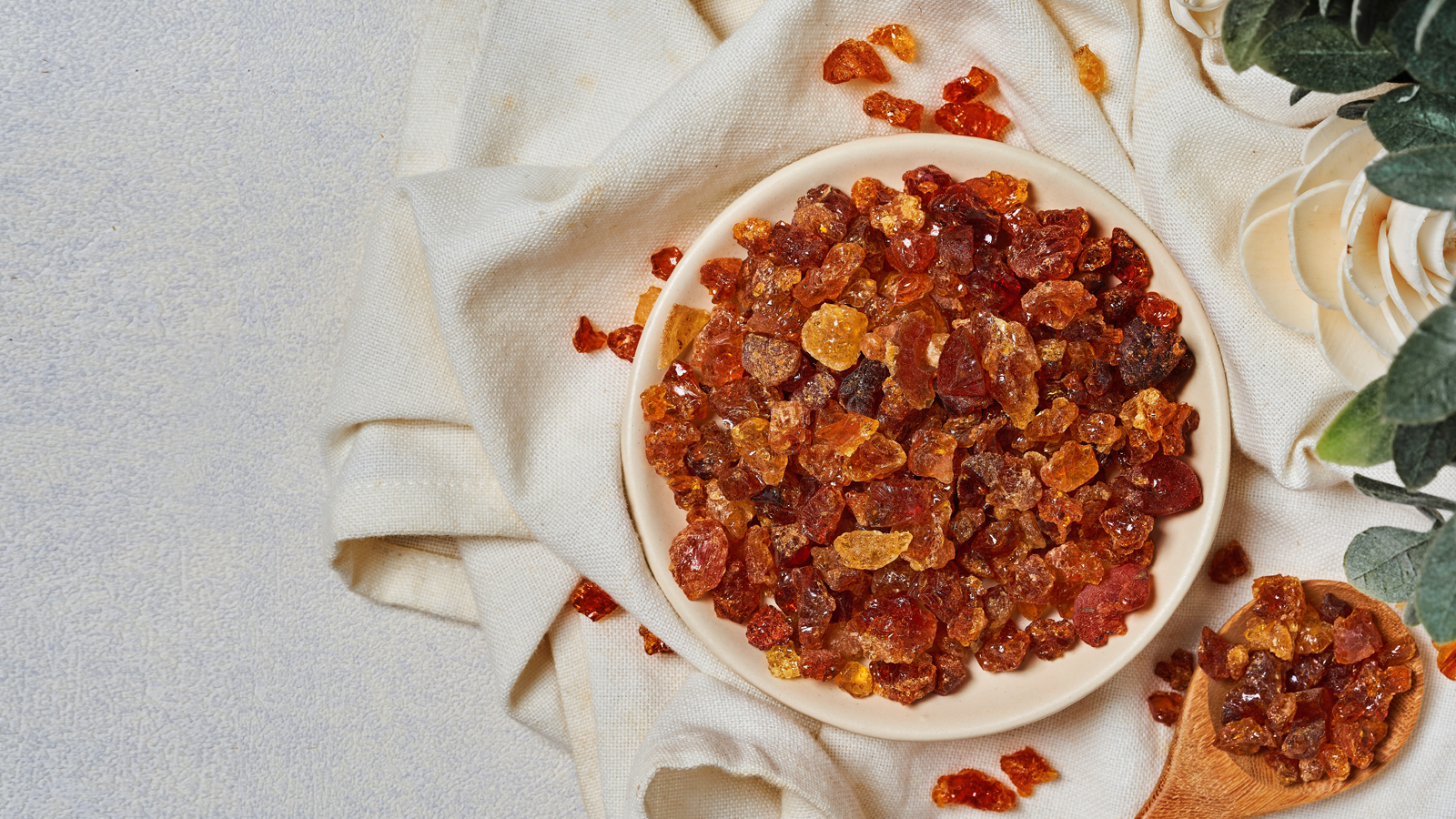
Natural ingredients are gaining ground in skincare, but efficacy now matters as much as origin. Isabelle Jaouen, R&D Director at Alland & Robert, explains how proteomics is revealing gum acacia’s bioactive potential.

The Data Blind Spot Stalling Cosmetics R&D

Ask the head of R&D at almost any major cosmetics company whether artificial intelligence has a role to play in formulation, and you’ll get an enthusiastic “yes”. Algorithms can explore ingredient combinations at a speed no human team can match. Predictive models promise to compress 
development timelines. It’s little wonder the industry is convinced.

Preservation for Sensitive Skin

The list of approved preservatives in Annex V of the EU Cosmetics Regulation is extensive – but the way we think about them has changed dramatically. Over the years, the industry has moved away from traditional systems like formaldehyde donors toward more skin-friendly alternatives. ­Today, preservation is no longer just about protecting the product, but also about protecting the skin – especially when it comes to sensitive skin types.

Packaging Rules Shift

European cosmetics packaging is being reshaped by regulations, sustainability, and faster product cycles. Centralized, accurate packaging data and supplier integration are now essential for ­compliance, efficiency, and innovation.

Luxury Customization

Customization has become one of the most powerful drivers of transformation in beauty. ­
Today’s consumers expect far more than just functional products: they are increasingly ­seeking personalized products and experiences that reflect their identity, values, and aspirations.

Redefining Barrier Care

Sensitive skin represents one of the most complex challenges in modern skincare formulation. It combines impaired barrier function with heightened nerve reactivity, causing the skin to overrespond to usually harmless stimuli and enter a cycle of dryness, discomfort, and vulnerability.

Packaging for Sensitive Products

One of the main tasks is to act as a central con­tractual partner, coordinating and aligning dif-
ferent process steps. This approach helps 
to simplify procedures, reduce reaction times, and en-
sure consistent quality standards. As a result, complex 
workflows become more transparent, flexibility increases, and outcomes can be achieved within predictable time-
frames.

Rethinking Upstream Packaging

As cosmetics manufacturers work to improve sustainability and cut down on single-use packaging, the spotlight tends to stay on primary, consumer-facing formats. 
While essential to brand image and customer experience, this often overshadows the
substantial impact of bulk upstream packaging–used during manufacturing, 
storage, and transport.

Trend update

Every year there are countless trends. Trends for the beauty industry as a whole and those trends for each segment like ingredients, packaging etc. Here in COSSMA’s new trend series, we try to collect as many trends for 2025 as possible. And not just any trends – your most important ones. Which ingredients can not be ignored? How to pack your products now? What tools help to develop the best products? How can we use KI to our advantage? Throughout the year we hopefully will get answers to all those questions… and many more! Let’s stay up to date!