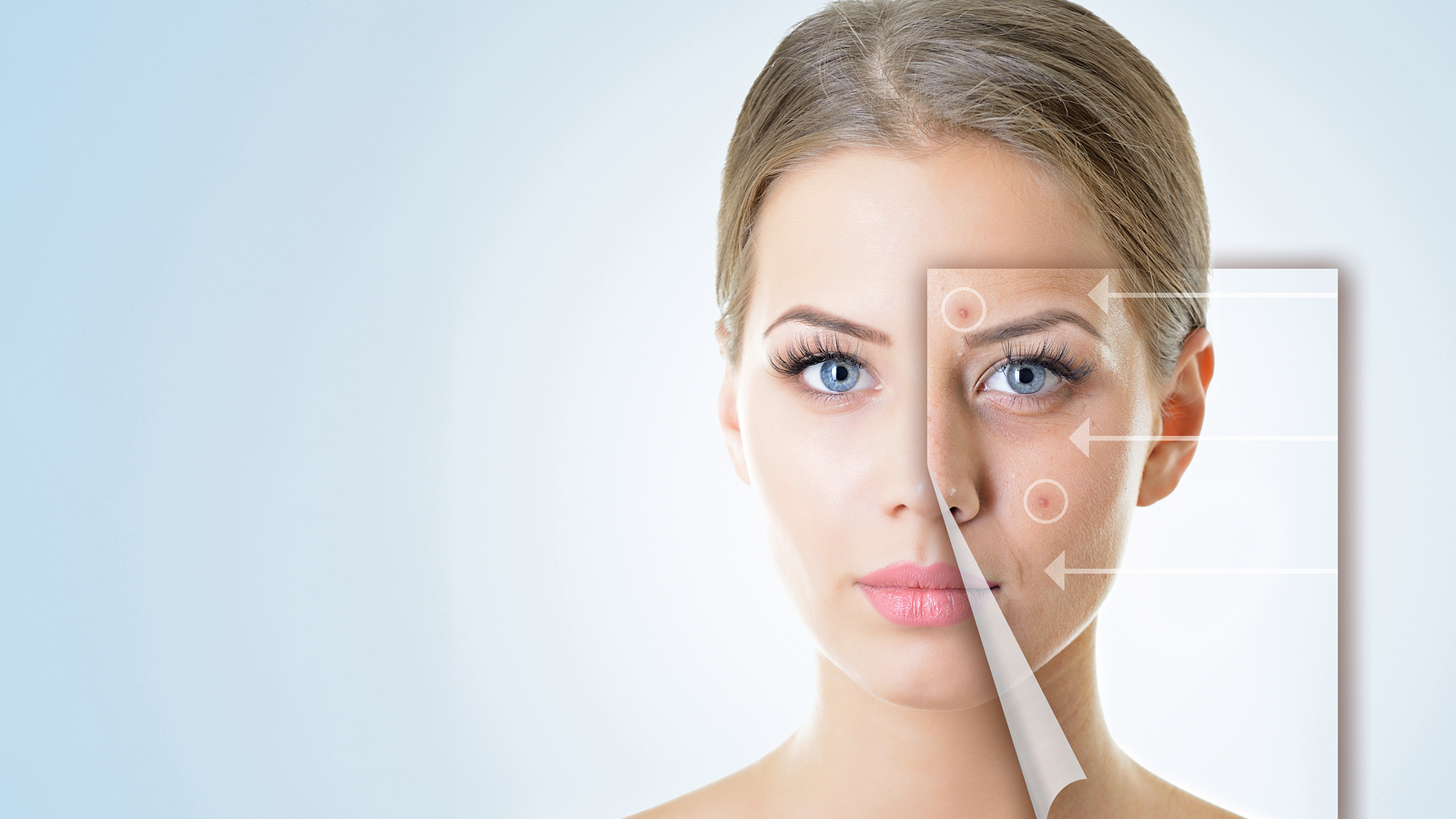
For decades, the beauty and personal care industry viewed bacteria as something to eliminate, emphasizing deep cleansing and odor removal. Today, microbiome science has fundamentally reshaped that perspective. The skin microbiome is now understood as a complex ecosystem of microorganisms that interact closely with immune and barrier functions, and healthy skin depends not on sterility, but on the balance and functionality of this microbial community.

A well-functioning skin microbiome plays a critical role in defending against pathogens, regulating inflammation, maintaining barrier integrity, and helping the skin adapt to environmental stressors. These insights are transforming how the cosmetics and personal care industry approaches skin health and long-term well-being. What began as early interest in probiotic supplements has evolved into more sophisticated science-driven strategies focused on microbiome balance and long-term ecosystem resilience. Supporting beneficial microbes across the skin, gut, and other biological niches is now becoming central to next-generation personal care innovation.
A Beauty and Personal Care Rethink
The microbiome, comprising trillions of microorganisms inhabiting the gut, skin, oral cavity, and urogenital tract, exists in constant symbiosis with the human host and is a critical component of human physiology, including skin function. These microbial communities contribute to digestion, nutrient synthesis, immune modulation, and protection against pathogenic organisms. But research is also revealing links between microbiome composition and broader aspects of wellbeing, including metabolic health, mental wellbeing, and skin appearance. This balance, however, is highly sensitive to disruption.
Environmental stressors such as pollution, UV exposure, poor diet, chronic stress, antibiotics, and aggressive cleansing routines can all contribute to dysbiosis or an imbalance in microbial diversity and function. The consequences are visible in both dermatological and cosmetic science.
Conditions including acne, rosacea, eczema, atopic dermatitis, and sensitive skin have all been associated with alterations in microbial composition. At the same time, consumer perceptions are evolving. The tight, ultra-clean skin sensation once associated with efficacy is now, in many cases, recognized as a sign of barrier disruption. As a result, expectations are shifting from short-term results toward solutions that maintain and support biological integrity over time.
From Surface Care to Systemic Care
While microbiome science reshaped the industry’s view of skin, the gut–skin axis has pushed that perspective even further. Scientific evidence shows that skin health is influenced by factors beyond topical care and the condition of the skin’s surface. The composition and activity of the gut microbiome can significantly influence skin appearance, inflammatory status, and resilience. This understanding has accelerated interest in integrated beauty-from-within approaches that combine nutrition, supplementation, and topical skincare into a more holistic model for skin health. A balanced gut microbiome helps regulate inflammatory signaling pathways, including cytokines associated with both pro-and anti-inflammatory responses, strengthens intestinal barrier function, and supports immune tolerance. Metabolites from beneficial microbes, including short-chain fatty acids like butyrate, are increasingly recognized for their antioxidant and anti-inflammatory properties. Emerging evidence suggests that these compounds can also help support the skin’s response to environmental aggressors such as UV radiation and pollution.
The relevance for cosmetics and nutricosmetics is substantial. Many hallmarks of skin ageing are closely linked to chronic low-grade inflammation, oxidative stress, and impaired cellular communication. Over time, ageing skin experiences declining regenerative capacity, weakened barrier function, and increased susceptibility to irritation. Supporting microbial balance of the gut-skin axis offers a more holistic pathway to addressing these mechanisms.Rather than focusing exclusively on correcting visible symptoms, microbiome-based strategies aim to strengthen the underlying biological systems that influence long-term skin quality and resilience.
Why Postbiotics Are Becoming the Practical Future of Microbiome Care
While probiotics initially dominated discussions around microbiome innovation, the use of live bacteria has several practical formulation limitations for the beauty and skin health industry. In cosmetic applications, live bacteria can present stability concerns, preservation incompatibilities, and shelf-life limitations. As a result, postbiotics are rapidly emerging as a commercially viable and scientifically compelling area of microbiome development.
Postbiotics are defined as non-living microbial cells, including cell components with/without metabolites that deliver biological benefits to the host. Unlike live bacteria (probiotics), postbiotics offer considerably greater formulation flexibility and stability while still interacting meaningfully with biological pathways. The future of microbiome skin care may therefore depend on supporting the skin’s innate ability to recognize beneficial microbial signals and maintain balance autonomously. This can be achieved through the incorporation of innovative postbiotic solutions in topical formulations, with or without the addition of live probiotics as supplements to also support beauty from within. One example of a topical application with postbiotics is
“SymReboot L19”, a microbiome-friendly, COSMOS-approved paraprobiotic solution developed to support skin and scalp microbiome balance. Based on heat-treated Lactiplantibacillus plantarum “Heal19”, the ingredient preserves key microbial structures while ensuring safety and formulation stability.
“SymReboot L19” is part of Symrise’s “Truebiotic” technology, designed for skin cells to recognize microbial components in the ingredient and activate natural defense pathways in the host skin. This can help support skin barrier integrity, soothe visible irritation, and reinforce microbiome balance.
The Deodorant Category’s Microbiome Shift
An example of how microbiome thinking may enter mainstream personal care is seen in the evolution of deodorants.
Traditional deodorant technologies often rely on broad-spectrum antimicrobial activity to reduce the general microbial load. Body odor arises from microbial activity rather than from sweat itself and develops when specific microorganisms metabolize odorless compounds secreted by sweat glands into volatile molecules. Understanding this mechanism opens the door to a far more targeted strategy. Rather than indiscriminately reducing the entire microbial population of the underarm, biome-balancing approaches aim to selectively inhibit odor-causing bacteria while preserving the broader microbial ecosystem.
Advances in microbiome analysis, including bioinformatic and omics approaches, are enabling researchers to better understand the complexity and diversity of underarm microbiomes. This increasingly data-driven insight allows for more precise product development based on microbial characterization and interactions rather than broad spectrum antimicrobial interventions.
“SymDeo B125” illustrates how this precision model is already influencing formulation design. The microbiome-friendly deodorant selectively targets odor-causing microorganisms without disrupting the wider underarm microbiome. In vivo studies demonstrate up to 72 hours of odor reduction without the broad disruption associated with conventional antimicrobial systems.
The Next Phase of Microbiome Innovation
Microbiome innovation reflects a broader transformation in health and beauty philosophy. From elimination toward balance, from superficial correction toward systemic inside–out wellness, and from reactive treatment toward proactive and adaptive resilience.
This perspective is especially relevant in the context of ageing. Age-related skin changes are increasingly understood not only as structural deterioration, but also as dysregulation across immune, metabolic, and microbial systems.
The future belongs to solutions that work with biology to enable holistic and sustained health.

Christina Vegge
VP, Research & Development at Probi in the Care & Wellness division of Symrise,
www.probi.com