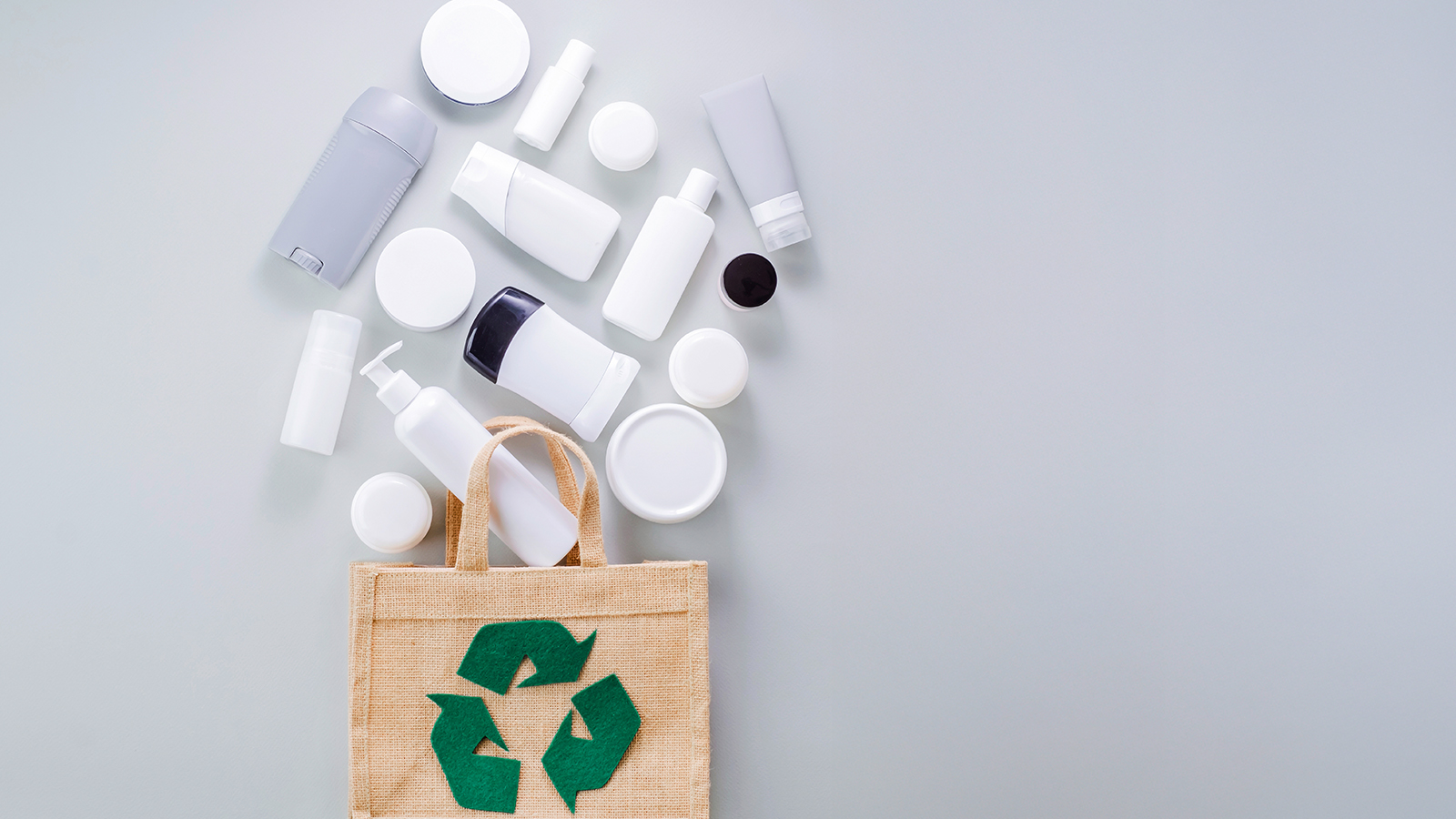
As cosmetics manufacturers work to improve sustainability and cut down on single-use packaging, the spotlight tends to stay on primary, consumer-facing formats. 
While essential to brand image and customer experience, this often overshadows the
substantial impact of bulk upstream packaging–used during manufacturing, 
storage, and transport.

The demand for natural and organic cosmetics has surged over the past two decades, driven by consumers’ growing preference for sustainable, transparent, and ethical products. In fact, the global natural personal care market is projected to show 4.9% compound annual growth rate, with revenues reaching $16.7 billion by 20281. This growth is largely fueled by consumers hazard avoidance linked to their perception of conventional chemicals in consumer products and their interest to seek out alternatives including natural and organic personal care products.

For quite some time, it has been known that recycled plastics are used as packaging material for food or cosmetics. However, the safety of quality and its definition of post-consumer-recyclates (PCR) has not yet been clarified all-purpose. In June 2024, the consortium of CosPaTox (Cosmetics, Packaging and Toxicology) published an initial and voluntary testing strategy. PCR should be analyzed as cosmetic packaging and to ensure safe use in accordance with European Regulation (EC) No 1223/20091.

Lowering carbon emissions from beauty packaging is essential to reduce the impact of the industry, in the fight against climate change. The carbon footprint of packaging solutions encompasses their entire lifecycle, from material extraction to end of life. It is a complex issue, but technological advances are improving data collection and calculation methods, helping brands to make more informed purchasing choices.

Sustainable biosurfactant innovator ­AmphiStar has announced the findings of its latest LCA study. The data demonstrates the sustainability and health advantages of 
biosurfactants over traditional surfactants. Sophie Roelants, Co-founder and COO of AmphiStar, talks about the groundbreaking results of the study and what it means for the personal care industry.

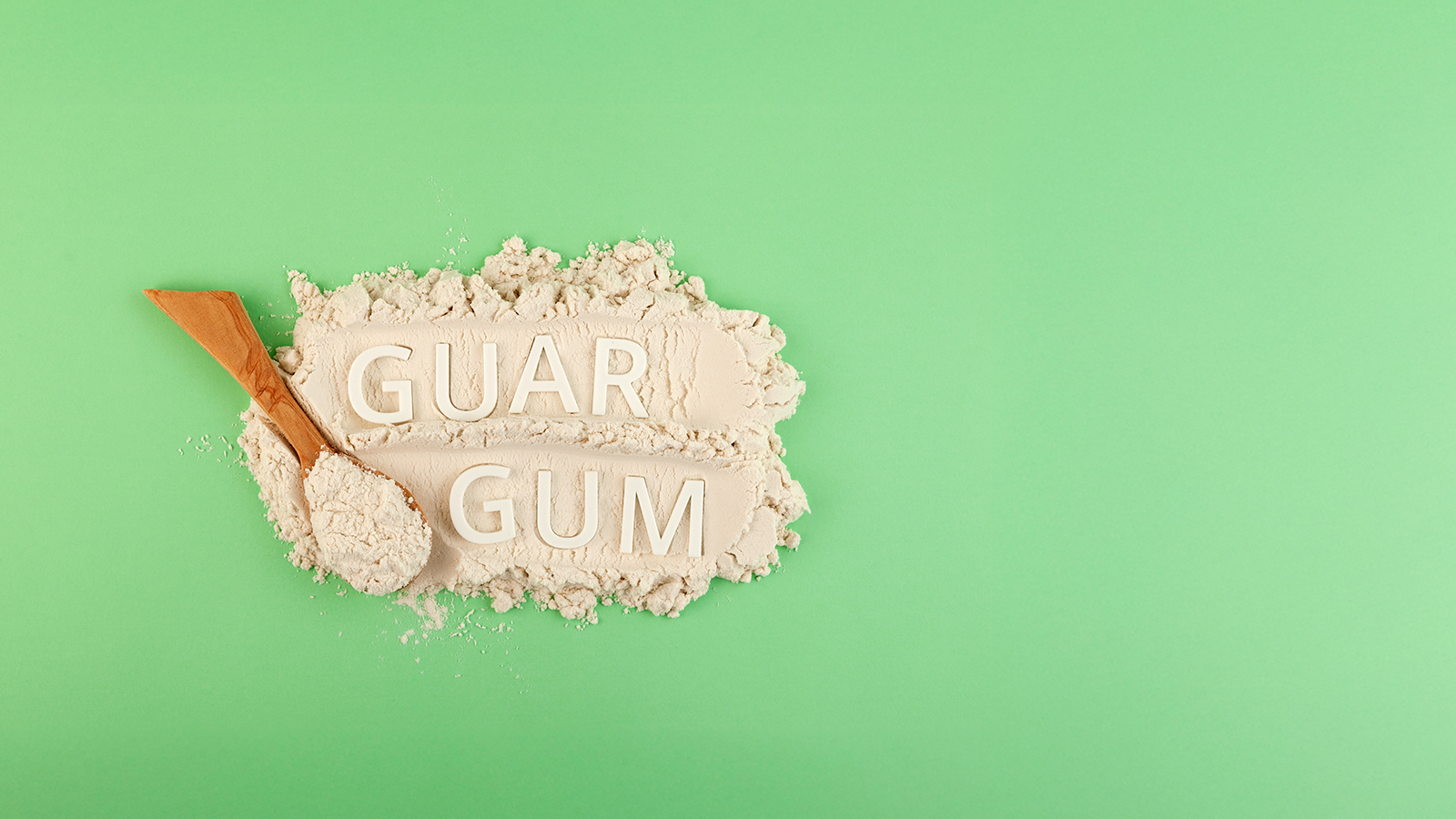
Syensqo is celebrating the 10th anniversary of the Sustainable Guar Initiative. With COSSMA, Marie Arzel from Syensqo talks about past challenges and 
future opportunities.

In luxury, every detail matters, and protective packaging is no exception. It plays a defining role in the customer experience and helps create the exclusive and sophisticated moments that luxury brands are known for. The texture, sound, and design of packaging can be the determining factors that turn a purchase into a memorable experience.

The cosmetics industry has long been driven by the pursuit of aesthetic perfection. Luxurious textures, captivating fragrances, and visually appealing packaging are paramount. However, consumers are increasingly demanding that beauty brands prioritize eco-friendliness alongside aesthetics. Palm oil-derived 
ingredients offer a compelling solution, enabling brands to achieve both 
aesthetic excellence and genuine environmental responsibility, despite some public misunderstanding of the rigorous standards sustainable palm oil adheres too.

Customers are opting for brands that are sustainable due to increased concerns about ethical sourcing and the environmental footprint of skincare products. Through 2028, the organic skincare products’ market is projected to grow by US$ 2.98 billion at a compound annual growth rate of 8.8%. Due to the trend towards products developed using non-synthetic and herbal products, the skincare industry is set to drive the coming years.

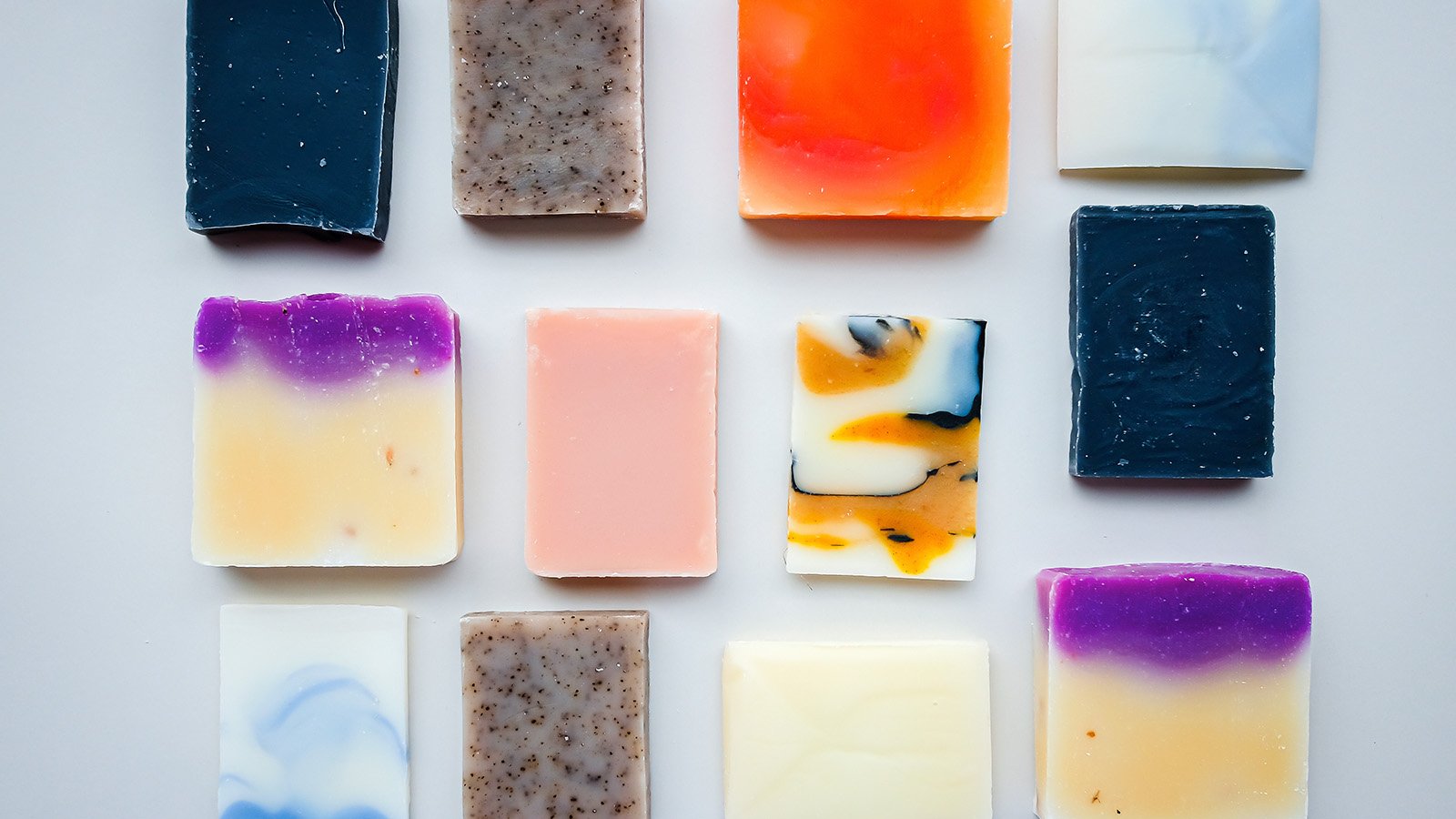
For both brands and consumers, solid product formats offer a timeless, versatile, and extremely functional option – from the classic soap bar 
for day-to-day use to high-performance shampoo and conditioning bars that offer mild, yet effective cleansing and moisturizing capabilities. 
And all that while using less water…

Sunscreens’ environmental impact is composition dependent. The bioaccumu­lation of UV filters in the aquatic food chain and known ­harmful effects on aquatic organisms makes ingredient selection critical when 
designing a new product. 

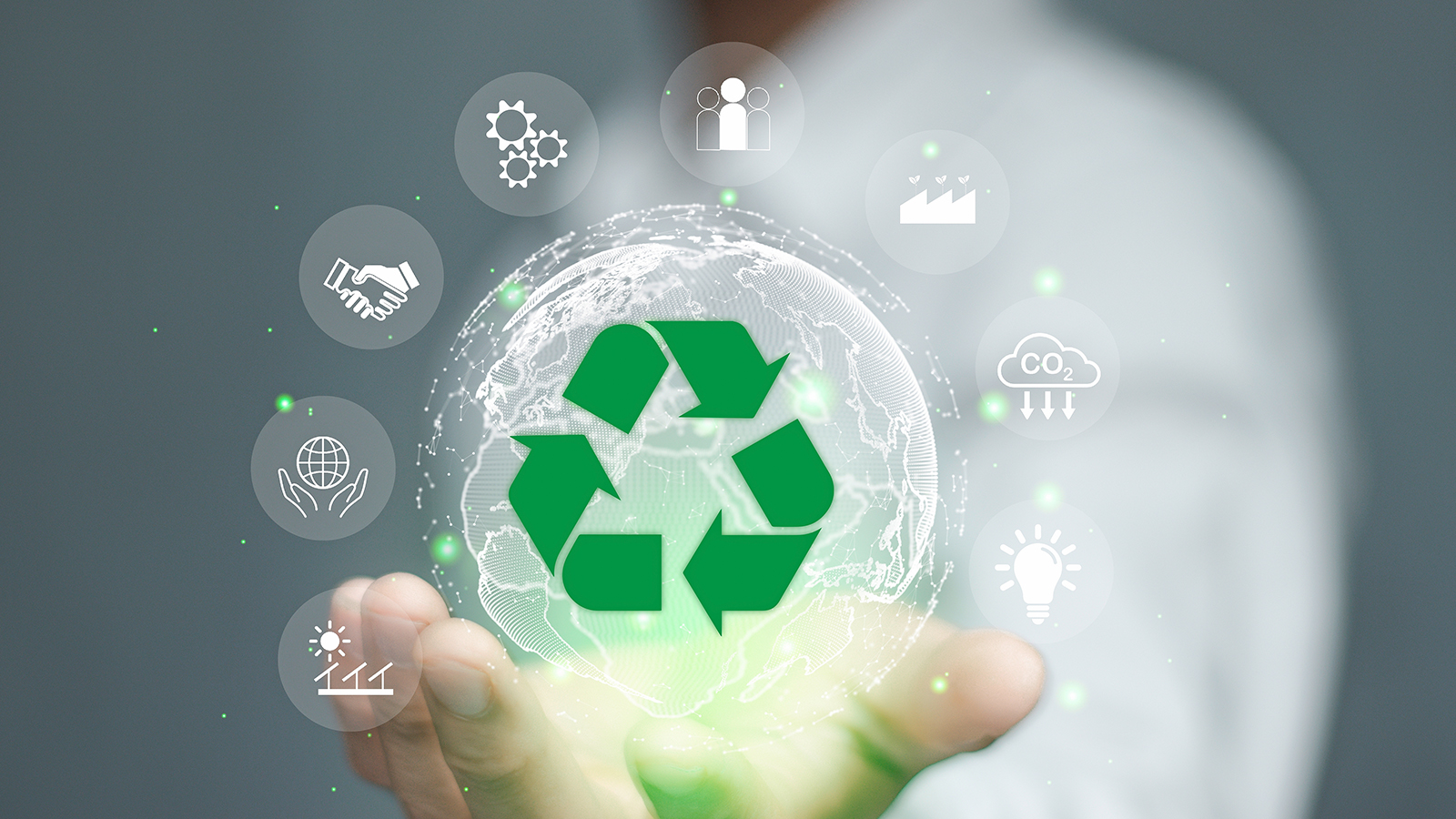
Sustainability has become a pressing issue across industries as global leaders strive to mitigate growing environmental concerns and address social inequalities. The cosmetics industry, valued at hundreds of billions of dollars annually, can have a significant role to play in promoting sustainable development. Aligning with the United Nations Sustainable Development Goals (SDGs) provides a strategic and comprehensive framework to guide this transformation. By incorporating sustainability into product design, supply chain management, marketing strategies, and corporate governance, the cosmetics sector can help achieve the global vision of a sustainable future.

As sustainable practices become a driving force in consumer behaviour, the beauty, personal care, and cosmetic industries are finding themselves at a crossroads. No longer just a handy buzzword, circular and sustainable beauty focus on developing and designing products and processes that could minimise waste, reuse resources, and critically, extend the lifecycle of materials.

With fewer than 1% of global makeup launches using upcycled ingredients in the past 5 years –  
ingredient-focused sustainable concepts are a white space for makeup brands. Here Mintel suggests 
some innovations to disrupt this category.

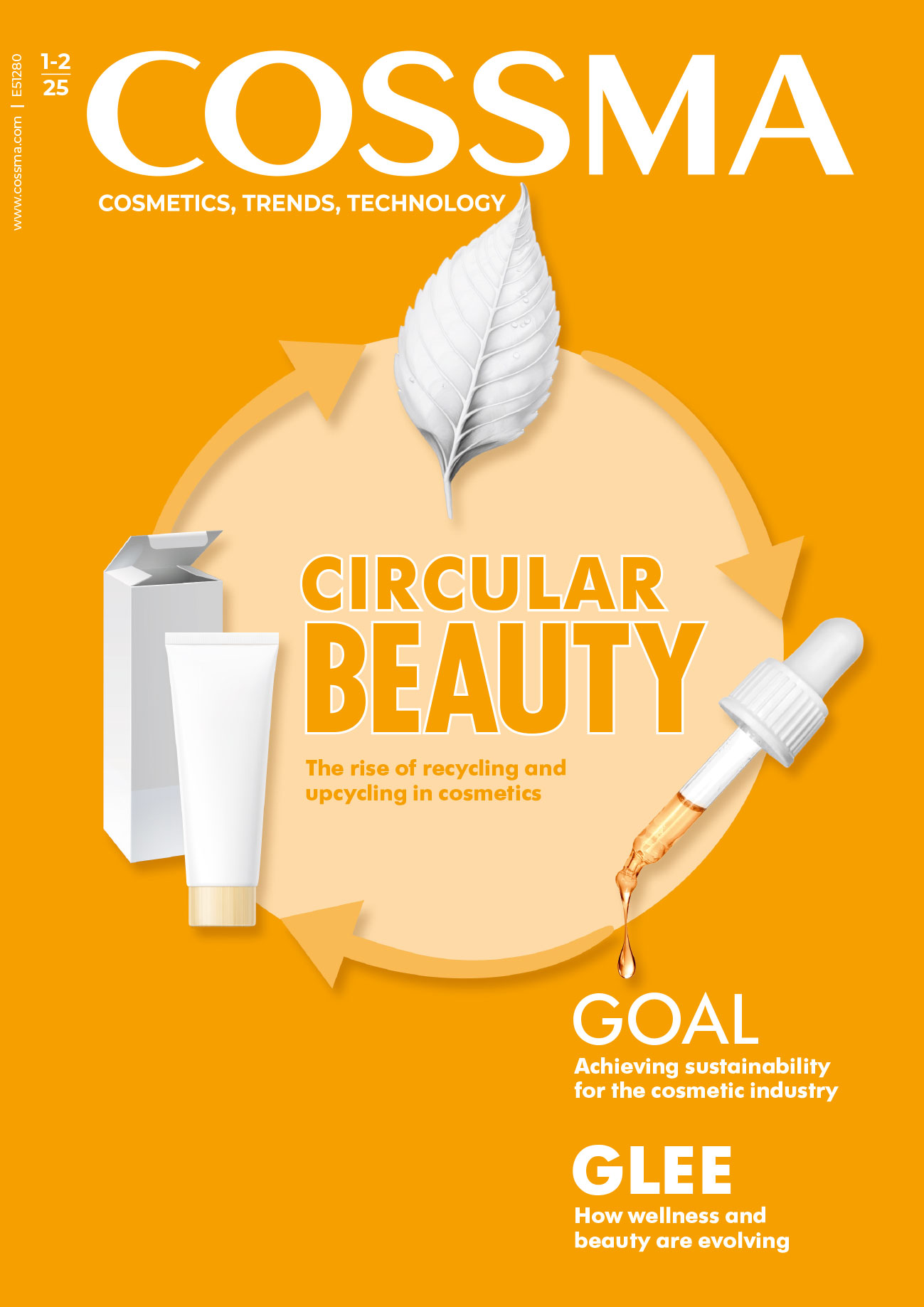
Issue 1/2 – 2025 Here is what you can look forward to in this issue: Circular beauty:The rise of recycling and upcycling in cosmetics Goal: Achieving sustainability for the cosmetic industry Glee:How wellness and beauty are evolving Get an e-paper subscription Issue 1/2 – 2025 Here is what you can look forward to in this … Read more

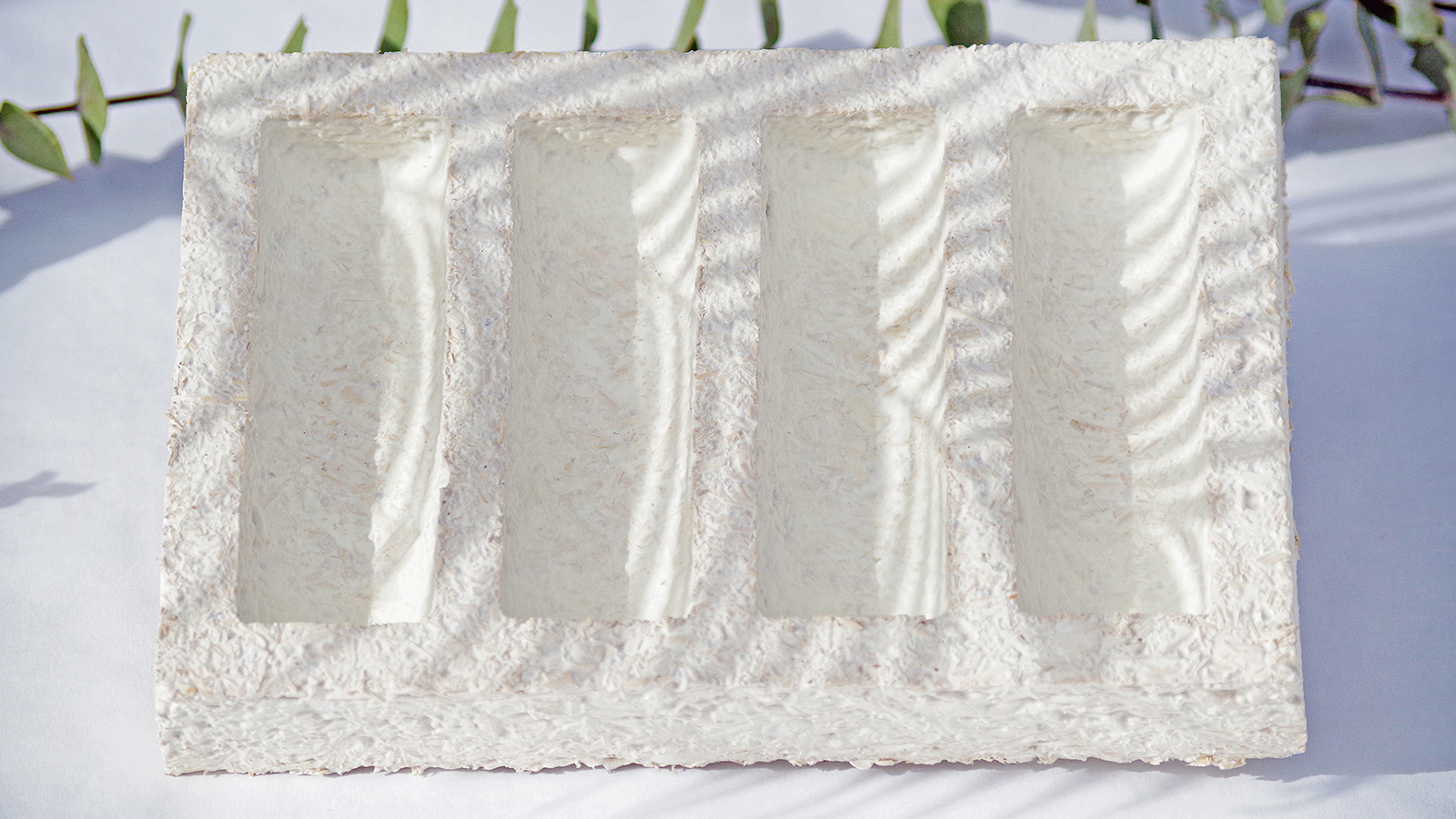
Sustainability isn’t just a trend–it’s becoming the new standard in packaging. Consumers are demanding eco-friendly solutions and businesses are looking for ways to reduce their environmental footprint without sacrificing quality and design. “ONE4” mycelium packaging is one such innovation, combining the environmental benefits of mycelium, the root structure of fungi, with the efficiency of traditional packaging, making it an accessible and appealing option for companies of all sizes.

The demand for sustainable beauty products is steadily increasing as consumers become more conscious of ecological practices. One significant step in this direction is the utilisation of natural materials derived from various upcycled processes, including food waste. In this article, Kshitija Tembhekar, Anjali Gholab 
and Rachna Rastogi highlight some of the common food wastes and actives derived from them as a ready resource for formulators.

As 2025 approaches, Stephenson expects the beauty industry to continue working on the development of new-generation products that couple functionality and efficacy, with natural and sustainable ingredients while reducing water consumption and packaging. 
In addition, today’s beauty and personal care products must not only meet the expectations of informed consumers but also satisfy a brand’s requirement for manufacturing speed and efficacy. 
This is the view of Stephenson’s marketing manager Tim Pulleyn and product manager Charlotte Gronan, as they weigh in on some of their top trends to watch in the year ahead.

As sustainability considerations increasingly drive consumer purchasing decisions and public pressure mounts, the cosmetics industry is challenged to find innovative approaches with lasting impact. With “Responsibly Active”, BASF has committed to making sustainable practices a priority in its bioactives business, protecting the planet and its resources, and empowering people across the value chain – beyond corporate responsibility and out of personal conviction. Two years into the programmeme, we spoke to Lucilene Veira Nunes, Head of Business Management for Bioactive Ingredients, EMEA, about the progress made and the challenges ahead.