In luxury, every detail matters, and protective packaging is no exception. It plays a defining role in the customer experience and helps create the exclusive and sophisticated moments that luxury brands are known for. The texture, sound, and design of packaging can be the determining factors that turn a purchase into a memorable experience.
But many cosmetic brands are facing a challenge that could redefine how we think about luxury. CEOs, sustainability managers and marketeers are becoming increasingly aware of the risks of certain packaging. Most conventional materials, especially plastics and foams, produce waste that takes hundreds of years to decompose and emit large amounts of CO2. These materials contribute significantly to ocean pollution and environmental degradation, creating a disconnect between luxury branding and environmental responsibility. With the adoption of the Packaging and Packaging Waste Regulation (PPWR) by the European Commission, and rising expectations around sustainability, pressure is growing on brands to make eco-friendly changes. Luxury brands must find a way to combine functionality, aesthetics, and circularity into packaging that aligns perfectly with their brand identity. This shift will be essential for both the future of our planet and the survival of brands.
Experiencing luxury packaging
Luxury sets itself apart through the attention to detail and craftsmanship dedicated to each individual product. Every detail is perfected to offer a special experience; and this includes packaging. In that instance, packaging becomes more than its function to protect. It is not meant to be torn open and discarded but rather to be preserved and cherished. This emotional weight gives packaging a special kind of responsibility: to leave an impression and tell a story. Luxury packaging invites a moment of pause and appreciation, enhancing the perceived value of the product inside. Materials that feel organic or hand-crafted speak to authenticity and artistry, resonating with luxury consumers who value both exclusivity and innovation.
The link between luxury and sustainability
Luxury and sustainability might have once seemed at odds, but a closer look shows us they are intrinsically linked. A cherished, long-lasting product, in contrast to rapid overconsumption, is inherently sustainable. This type of conscious consumerism aligns with the EU’s model of the circular economy. Consumers are increasingly discerning about how products are made, demanding that luxury goods not only represent status but reflect their personal values of sustainability, innovation and authenticity. When packaging reflects that same intention, it can amplify a product’s worth and reinforce the buyer’s values. Communicating the appreciation of beauty and its preservation can easily be extended to narratives about looking after the environment. With bio-based solutions, opportunities multiply; luxury brands can strengthen their identities, while also meeting regulatory and consumer demands.
Integrating sustainability into brand storytelling
Sustainable packaging brings new opportunities for brands to express their values by embedding sustainability in their storytelling. When integrated in a way that feels genuine and authentic, it signals that a brand is responding to a world that consumers care about, creating a valuable bond based on trust and purpose. Packaging can be creatively woven into messaging across channels – from social media to product launches, retail displays and influencer campaigns. A thoughtful and consistent approach to sustainability can reinforce a brand’s message and turn consumers into advocates who carry that story forward.
Bio-based luxury packaging
The bar is high for luxury packaging, but brands that explore beyond traditional solutions can secure a significant competitive advantage. The growing range of bio-based solutions, such as recycled plastics, molded pulp and new materials inspired by nature, offer viable alternatives that meet both aesthetic and sustainability goals. These innovations also open doors to new creativity and innovation while helping brand stay compliant with evolving regulations.
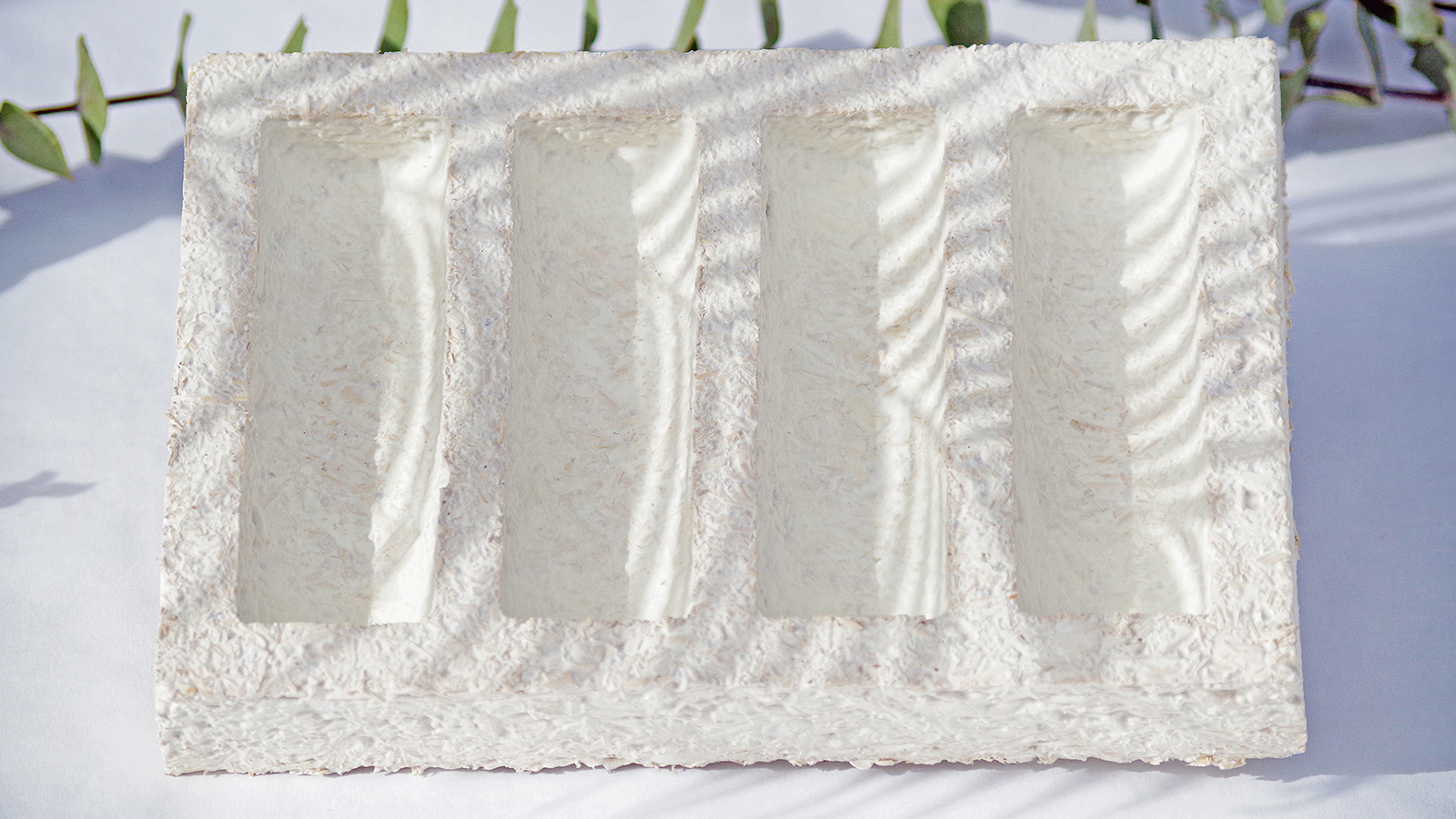
One such material is mycelium, the root structure of fungi. When grown together with fibers, such as hemp or cattail, it forms a protective packaging that is strong, lightweight, carbon-negative and entirely home- and marine-compostable. With its velvety texture and sculptured look, it creates a striking impression, while aligning with the artisanal values many luxury brands embrace. Beyond technical benefits, mycelium tells a story of regeneration and natural beauty. As more brands seek packaging that aligns with their identity and consumer values, mycelium is emerging as an example of what sustainable luxury can look and feel like.
Leading the future of luxury
While these changes require initial investments, they will ultimately help businesses stay ahead of regulations, reduce their CO2-footprint, and align with rising consumer demands for sustainability. By switching to bio-based materials, luxury brands can seize the opportunity to lead in innovation and redefine what luxury means. Brands that accept this shift ahead of the curve will be able to lead the change towards more ethical luxury, before it becomes the new standard.

Lorna Kaufmann
Marketing and Sales, Grown bio, Heerewaarden, Netherlands, www.grown.bio