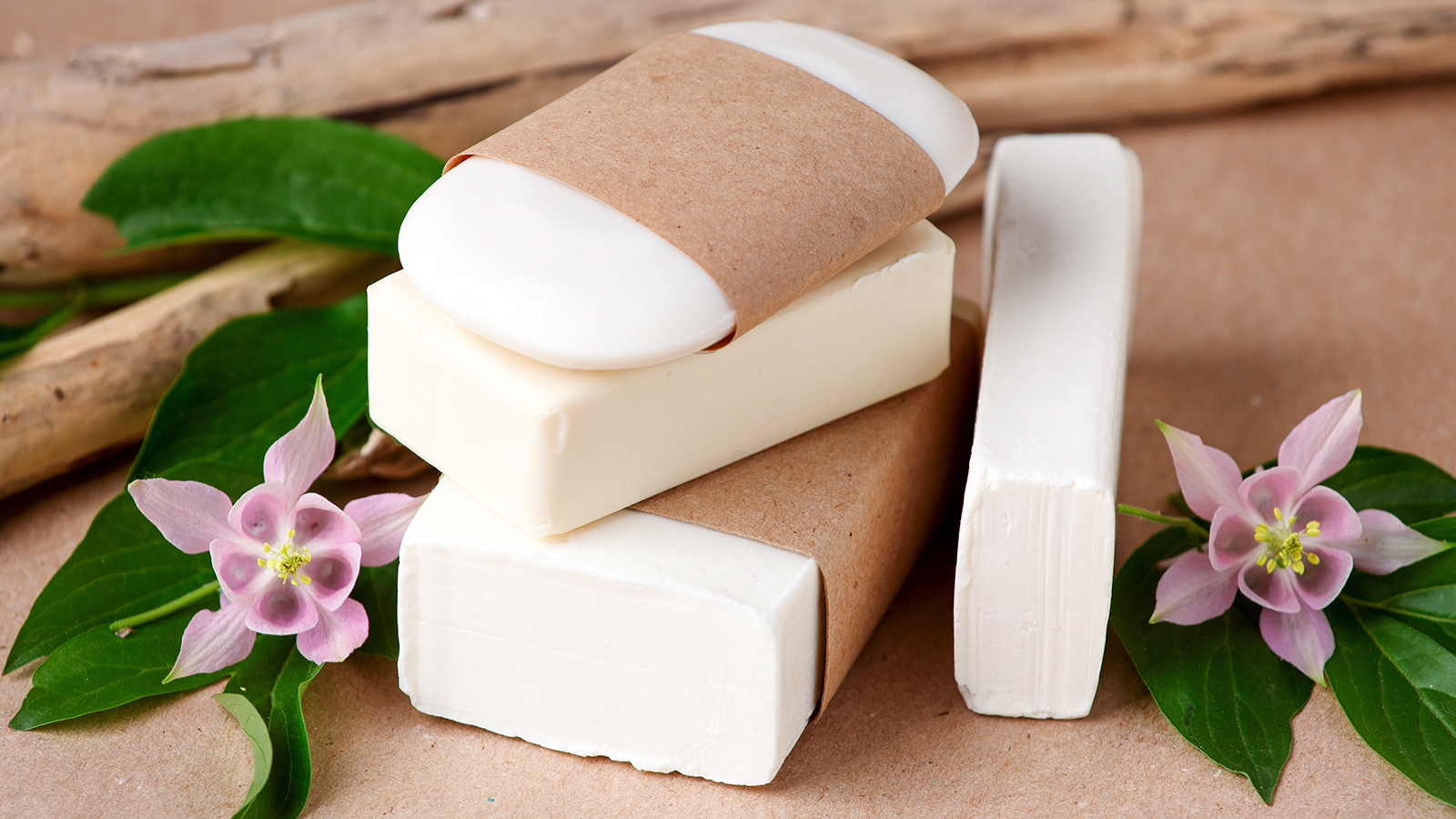
For both brands and consumers, solid product formats offer a timeless, versatile, and extremely functional option – from the classic soap bar for day-to-day use to high-performance shampoo and conditioning bars that offer mild, yet effective cleansing and moisturizing capabilities. And all that while using less water…
Concerns about water scarcity are intensifying. It is estimated that by 2025, close to 1.8bn people will live in countries with absolute water scarcity, while two-thirds of the world’s population could be living under water-stressed conditions.1
To cope with this new reality, consumers are becoming more invested in limiting their day-to-day consumption, adopting personal care and beauty products that not only meet waterless requirements but can reduce plastic packaging, while positively impacting sustainability.
Swapping convenience for global conservation requires the determination and vision of product manufacturers, suppliers, and brands to develop new or reformulate existing products. This will allow them to put water-saving technology first, pushing ingredient innovation for solid formats and waterless ingredients to the next level.
Why skincare is ditching the water
Next to the food and fashion industry, skincare and cosmetic manufacturing is one of the biggest industrial users of water, with an estimated 10.4 million tons of water used globally in 2020. Most skin and body products contain between 80 to 95% water, while shampoos, conditioners, shower gels, and even facial toners can contain an astonishing 97% water.2 These are big numbers.
To enable change, brands can invest in processing technology as a method of conserving and reusing water, or partner with a respected supplier that offers the convenience of waterless ingredients or solid format products. This can take the guesswork out of new product development – rethinking formulations that offer top functionality while keeping the user experience as a top consideration.
In terms of efficacy, texture, and sensorial attributes, waterless skincare products must surpass, or at least match, the quality of traditional skincare and cosmetics. To meet these exact requirements, waterless formulas, also called anhydrous beauty products, often use botanical ingredients and nourishing vegetable oils to create more potent solutions – in the process doing away with the need for preservatives and unnecessary fillers.3 And as the chemistry evolves, solid surfactants hold the key to opening these new markets.
A sustainable future
The beauty and personal care industry continues to face stricter regulatory frameworks. Within the past five years, various global-scale rules and regulations have been introduced to drive sustainable practices among businesses to reduce their environmental impact.
In the European market, the Corporate Sustainability Reporting Directive (CSRD) introduced in 2023 and 2020’s European Green Deal have taken centre stage to ensure companies take accountability and help to create a more sustainable future.
The EU’s Packaging and Packaging Waste Regulation also aims to deal with increasing quantities of packaging waste that causes environmental problems and is set to be in full force by the end of 2024.4 In addition, the sourcing and supply of raw materials, including Palm Oil and Palm Oil derivatives is set for a shake-up with the introduction of the highly regulated EU Deforestation Regulation (EUDR).
Adapting to these challenges is arguably more manageable for larger companies, who have access to the legal, regulatory, and financial resources needed to meet these directives, but it also means they are under greater scrutiny to comply.5 On the flipside, many niche brands and indies are focused on sustainability from the outset, building strong narratives around sustainability issues. One such issue is water management.
A survey conducted by Voice of the Consumers Lifestyles 2021 indicates that water management is now one of the top ten environmental priorities for companies. Real change is already underway: 56% of professionals report that their companies plan to invest in water-related initiatives between 2022 and 2027 – up from 39.3% in 2019. There are additional benefits to going waterless. These products offer less packaging, are often packed in minimal or recyclable packing, and can offer a lower carbon footprint as a compact, lightweight product that is easier and more effective to transport. These are all important attributes for a more conscious era of consumption and are reflected in the outlook of international consulting firm Future Market Insights (FMI). Its research shows that waterless products remain buoyant with a compound annual growth rate (CAGR) predicted at 13.5% between 2021 and 2031.
Regions with the biggest expansion potential include the UK, poised at 4.6% CAGR through to 2031, and India with a quarter of the market share in South Asia. It is however Brazil that will emerge as a key territory – exhibiting a CAGR of 13.5% during the forecast period.
On the backfoot, but no less important, are water-stressed countries, Mexico, Türkiye, Spain, and South Africa. Although product development is currently low, it does mean that there are fantastic opportunities for semi-finished formats, soap and syndet bars, and ingredient solutions that offer a waterless positioning, particularly in the development of serums, cleansers, shampoo, conditioning bars, and moisturizers, amongst others.
Benefits of waterless products
Water-free products can help preserve the skin’s natural oils which may be stripped away – even by water itself. Although a splash of water may feel refreshing and moisten the skin temporarily, overall, it can have a drying effect on the dermis while free radicals in water can damage the skin’s collagen production.
Another plus is that waterless formulas are frequently preservative-free, which ties in with consumer demand for a more natural and organic product. This also applies to certain sulphates and perfumes, which are under scrutiny, especially from customers with sensitive skin.
Some of the most sought-after skincare ingredients are better suited to waterless formulas – making them more effective and likely to see results. For example, Vitamin C can easily become oxidized by water, reducing its ability to anti-oxidize and brighten the skin5. Low water content also means that solids are less susceptible to microbial growth, often eliminating the need for preservatives and extending shelf life. While waterless items can be more expensive, they are also more concentrated, so consumers use less – saving money overall.
As products are sold in more concentrated, compact packages, they can significantly decrease the amount of packaging material required. In addition, shipping waterless formulas (which are lighter weight than their water-filled counterparts) requires less space and therefore less energy to transport. It is these seeming fringe benefits that can have the potential to make a real impact!6
&nb
The future for solid formats is here
Solid formats are not just a passing trend – they are here to stay. Consumers are increasingly drawn to products that offer mild formulations, sustainable packaging, clean and concentrated ingredients, and versatile applications.
From the classic bar of soap to the conditioning bar that revitalizes hair, there is a solid product to suit everyone’s needs. To stay relevant, brands should explore or expand into solid formats or risk being left behind. This is something that brands like L’Oreal, Glossier, and Clinique
know – adopting solid formats to keep up with the growing consumer demand.
Now’s the time to consider how your product range can evolve to include solid formats and ingredients that enable the production of waterless beauty and cosmetic products. By embracing this shift, you can meet the expectations of modern consumers and position your brand at the forefront of a sustainable future.
References:
1 https://www.prnewswire.com/ae/news-releases/demand-for-eco-friendly-waterless-cosmetics-rising-especially-for-skin-care-future-market-insights-study
2 https://www.lookfantastic.com/blog/discover/everything-you-need-to-know-about-waterless-beauty/
3,7,8 https://www.cosmeticsandtoiletries.com/formulating/category/skincare/Formulating-Waterless-Cosmetic-566342431.html
4,5 Navigating environmental regulations for cosmetics (cosmeticsdesign-europe.com)
6 Waterless Cosmetics Market 2022 Outlook, Current and Future Industry Landscape Analysis 2031 – FMIBlog

Rob Carr
Managing Director,
Stephenson Personal Care, Leeds, UK,
www.stephensonpersonalcare.com