Refill, Reuse, Repeat

Refillable packaging isn’t new to the cosmetics and personal care industry – it’s been steadily infiltrating it for a couple of years, but its uptake still isn’t where it needs to be. For years, beauty brands have launched elegant refillable compacts, sleek aluminium deodorants, and reusable skincare jars. The concept is familiar, 
but the challenge now is not awareness, but acceleration.
Materials Matter

Elevating brand credentials: A brand’s credibility is always built from the inside out. It’s not just the logo, the language, or the lifestyle it sells. It’s the sum of its actions and the choices it makes when no one’s watching. And increasingly, those choices start with packaging materials.

Plastics – the Material of Choice

Plastics have long been the packaging material of choice in the cosmetics industry. They offer multiple advantages: being lightweight, formable, cost-efficient, and highly effective in 
protecting sensitive formulations. Plastics enable creative and functional packaging solutions 
tailored to a wide range of product needs.

Rethinking Upstream Packaging

As cosmetics manufacturers work to improve sustainability and cut down on single-use packaging, the spotlight tends to stay on primary, consumer-facing formats. 
While essential to brand image and customer experience, this often overshadows the
substantial impact of bulk upstream packaging–used during manufacturing, 
storage, and transport.

Recyclates: the new Cosmetic Packaging?

For quite some time, it has been known that recycled plastics are used as packaging material for food or cosmetics. However, the safety of quality and its definition of post-consumer-recyclates (PCR) has not yet been clarified all-purpose. In June 2024, the consortium of CosPaTox (Cosmetics, Packaging and Toxicology) published an initial and voluntary testing strategy. PCR should be analyzed as cosmetic packaging and to ensure safe use in accordance with European Regulation (EC) No 1223/20091.

Curbing Carbon Footprint

Lowering carbon emissions from beauty packaging is essential to reduce the impact of the industry, in the fight against climate change. The carbon footprint of packaging solutions encompasses their entire lifecycle, from material extraction to end of life. It is a complex issue, but technological advances are improving data collection and calculation methods, helping brands to make more informed purchasing choices.

Balancing aesthetics and eco-consciousness

Luxury packaging has always been about storytelling. The gleam of a gold-accented cap, the satisfying weight of a glass jar, or the whisper of silk ribbon around a perfume bottle – each element carefully designed to seduce the senses. 

Redefining
Luxury Packaging

In luxury, every detail matters, and protective packaging is no exception. It plays a defining role in the customer experience and helps create the exclusive and sophisticated moments that luxury brands are known for. The texture, sound, and design of packaging can be the determining factors that turn a purchase into a memorable experience.

Rethinking recycled materials

Few industries are as focused on progress as packaging. In recent years, the sector has been defined by a refusal to do things the way they have always been done. This is integral to drive the shift towards the circular economy – but while material innovation may grab the headlines, ensuring we have the infrastructure and supply chains capable of supporting this new wave of materials is equally important. 

Beyond personalization

For beauty brands navigating the rapidly evolving landscape of cosmetic products, 
understanding the emotional dimension of packaging remains essential. Successful packages don’t merely contain products, they 
create moments of connection that strengthen loyalty. Jo Stephenson, Managing Director at Think B2B Marketing, talks about the 
importance of personalized packaging.

Sustainability and innovation

Sustainability isn’t just a trend–it’s becoming the new standard in packaging. Consumers are demanding eco-friendly solutions and businesses are looking for ways to reduce their environmental footprint without sacrificing quality and design. “ONE4” mycelium packaging is one such innovation, combining the environmental benefits of mycelium, the root structure of fungi, with the efficiency of traditional packaging, making it an accessible and appealing option for companies of all sizes.

Baralan

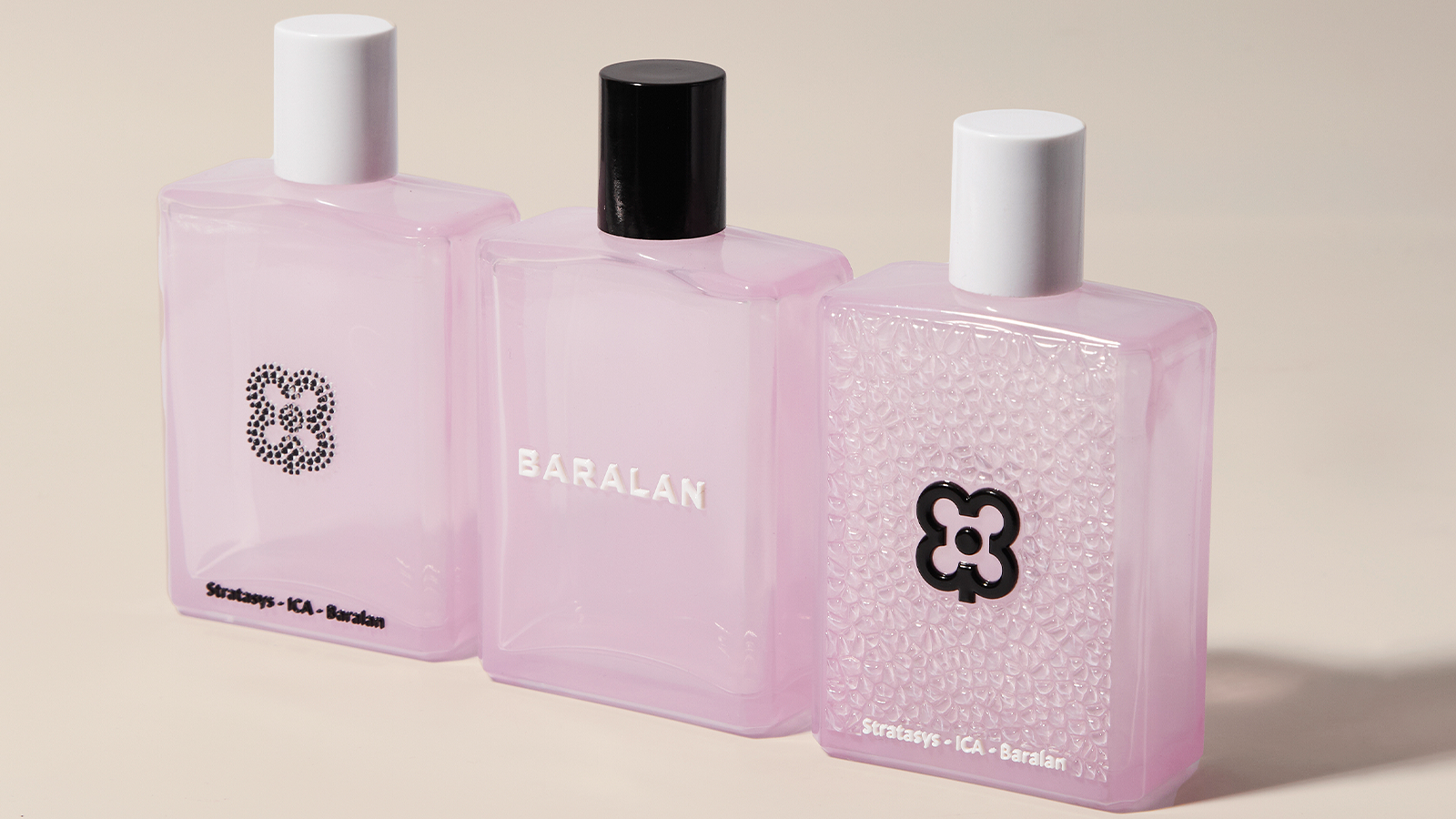
Thanks to the innovative GP3DPRINT water based paint product developed by ICA exclusively for Baralan (also combinable with solutions from the BIO range), it is now possible to obtain reliable three dimensional graphics applied on all the packaging offered by Baralan using Stratasys Polyjet technology. This project paves the way for 3D printing in the … Read more

Berry Global

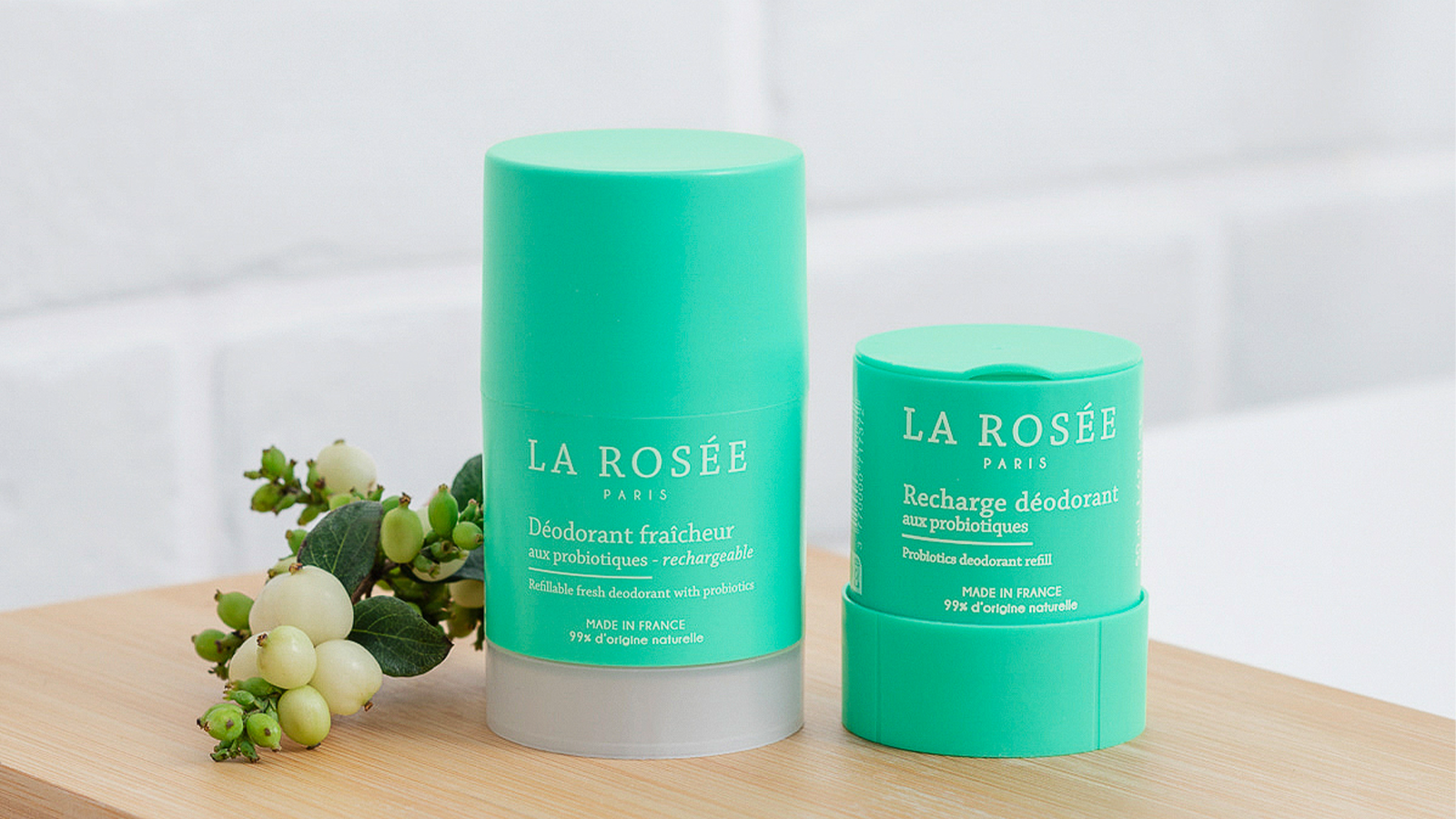
La Rosée, a leading French natural cosmetics company, has selected Berry Global to co-develop an exclusive and innovative refillable stick for its popular best-selling déodorant. The pack needed to be watertight, offer convenience and ease of use for the consumer, and be aesthetically pleasing to maintain brand image. www.berryglobal.com

Strong, safe and sustainable

Mycelium Packaging offers a biobased alternative to traditional materials like Styrofoam and is used to create strong, protective packaging. For example, for heavy and sensitive household appliances, consumer electronics, cosmetics, spare parts, electrical devices and many more. It promises a reduced environmental footprint without compromising functionality or design.

Gaplast

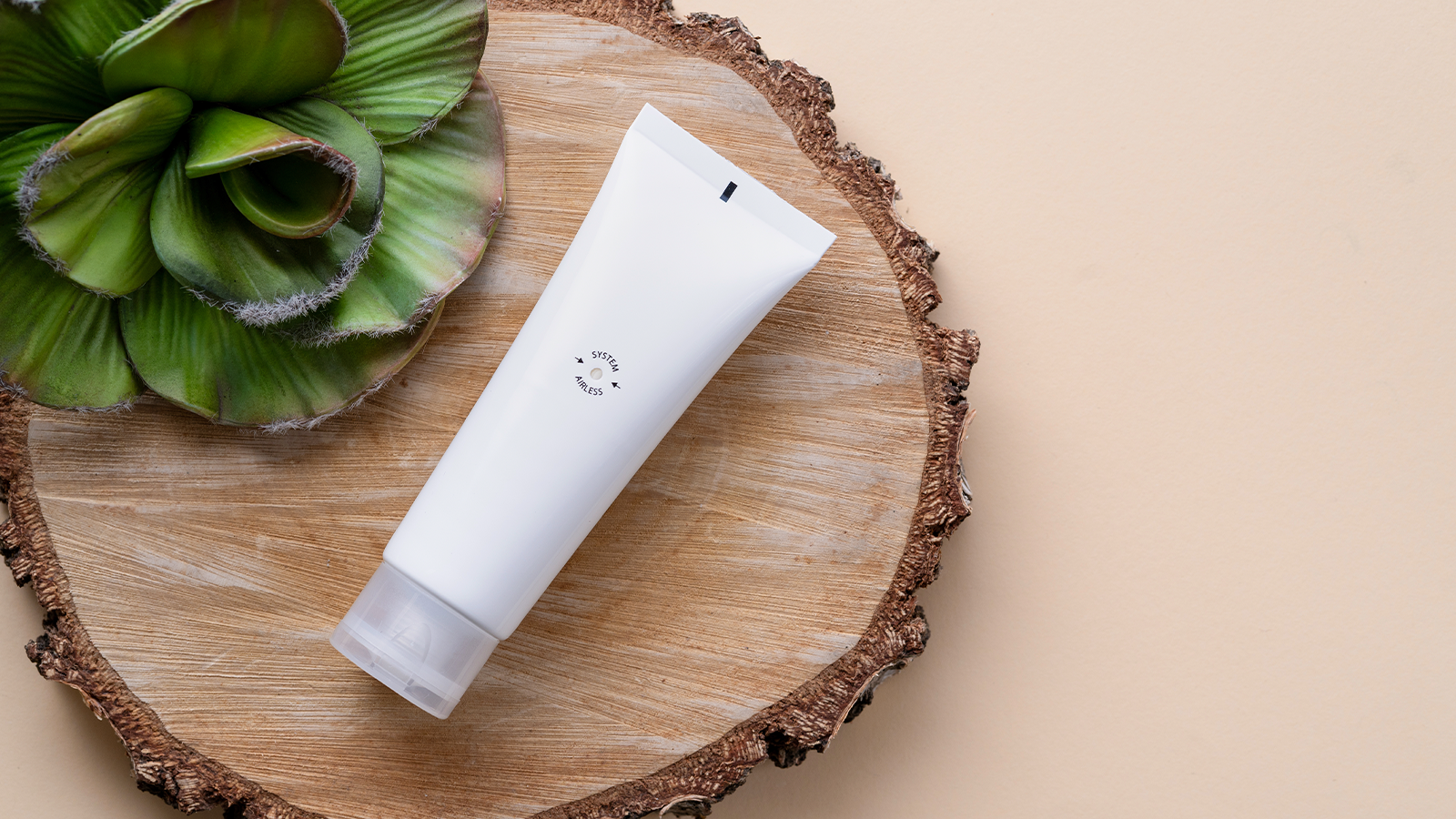
In close co-operation with Pumpart System, Gaplast has further developed the ‘TubAirfree’ technology. The result is a metal-free dispensing system that is particularly suitable for low-viscosity and sensitive formulations and ensures controlled dosing. This ‘TubAirfree’ packaging not only protects the contents, it also enables the tube to be emptied almost completely so that not a … Read more

Aptar

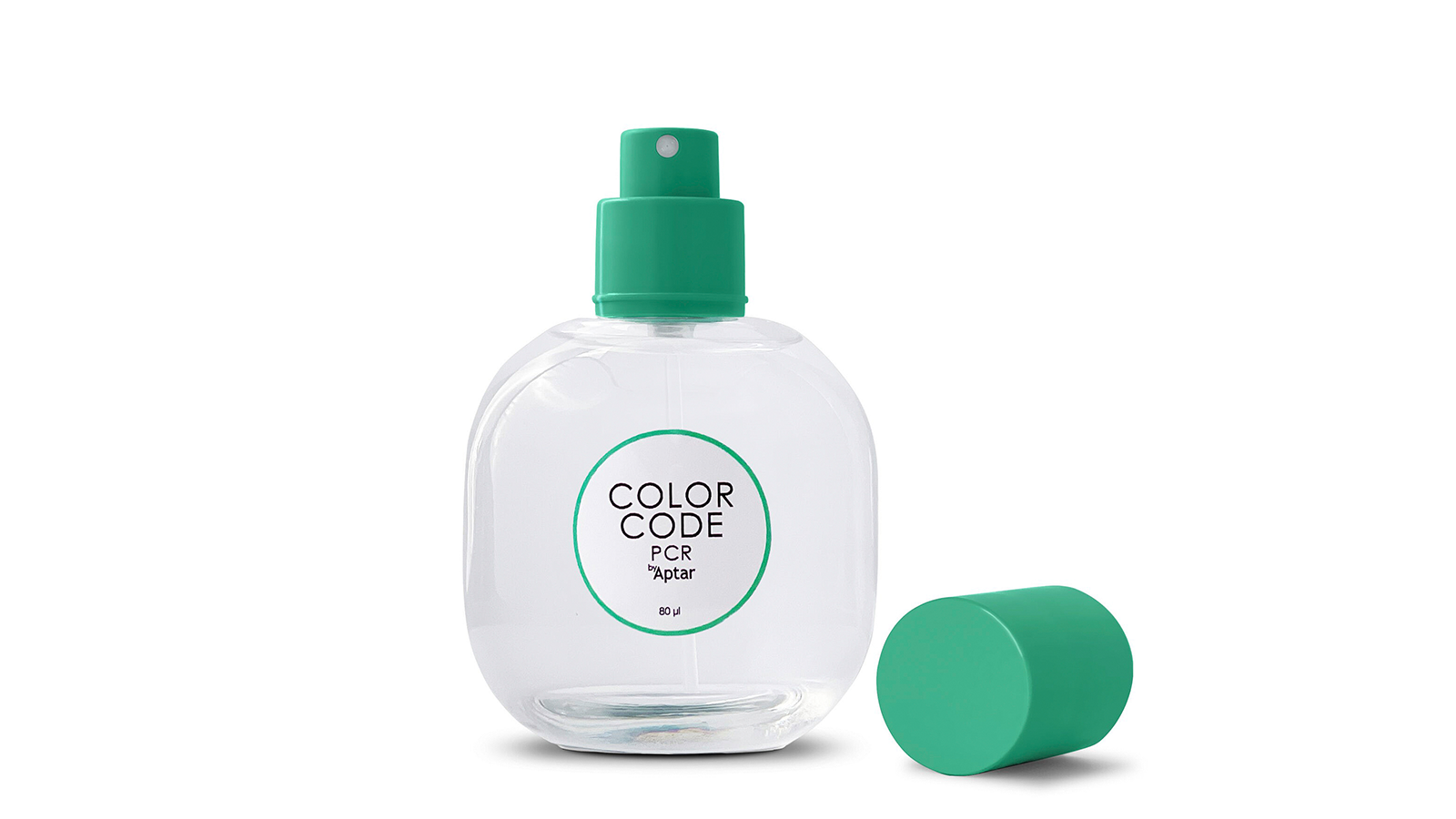
The company has released a new plastic fragrance pump made with post-consumer recycled resin. ‘Color Code PCR’ is the first pump on the market to include up to 67% of mechanical PCR Plus material without compromising on customisation options and aesthetics. The made-in-Italy, snap-on pump dispenses a 80mcl dose per stroke. www.aptar.com

Navigating sustainable packaging

Packaging is responsible for much of the planet’s waste pollution and a contributor to climate change. Some of this comes from cosmetics packaging and it is an issue that the beauty industry is working hard to tackle. However, to be successful, it requires the collaboration of all parties in the value chain.

Sustainable packaging

Imagine a world where every product we use leaves a positive mark on our planet. Packaging plays a crucial role in this vision. Our current waste problem demands urgent attention, and packaging is a significant part of the puzzle. The buyers’ mission is to seek out and implement groundbreaking, sustainable packaging solutions. So, what innovative approaches can we consider to make packaging more eco-friendly? Let’s dive in and explore how we can revolutionise packaging for a greener future!

PCR in plastic packaging

Global plastic production has been growing for decades, booming from 1.5 million of tonnes in 1950 to more than 400 million metric tons in 2022 worldwide, just like the amount of plastic waste. The key to reduce this amount of waste is recycling. Aude Laclaire, Sustainability Manager at Albéa Tubes, talks about challenges and opportunities in integrating Post Consumer Recycled Content (PCR) in plastic packaging.

Flexible and reliable

Did you know that laminate tubes are indispensable for a successful start to the day? Shower gel, shampoo, toothpaste, shaving gel, body lotion, make-up and hand cream – most of these products are packaged in laminate tubes for a reason – tubes made of PBL or ABL laminate offer comfortable handling, are insensitive to moisture, and are easy to open and close again. They are flexible, unbreakable and portioning is easy.