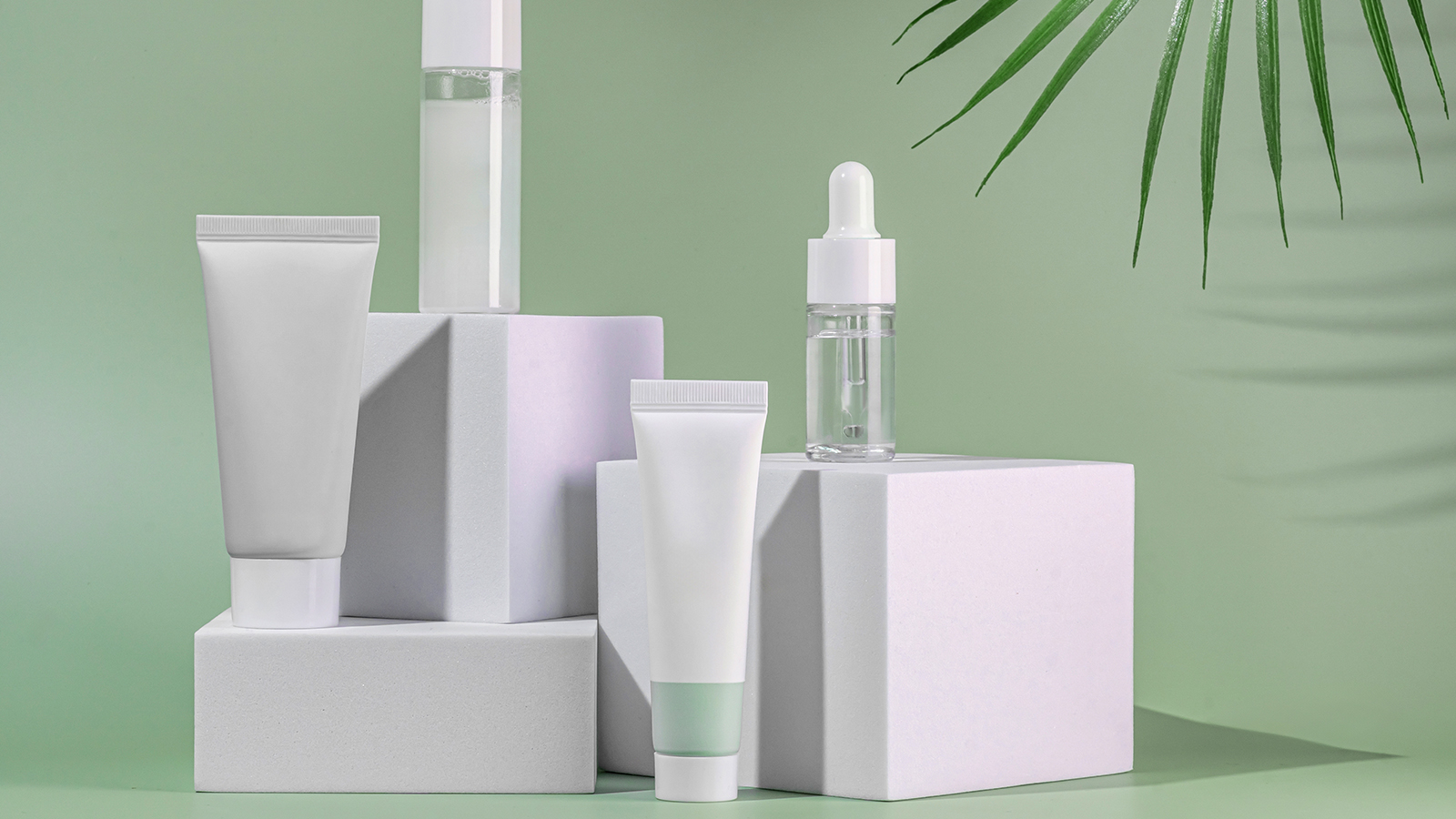
For beauty brands navigating the rapidly evolving landscape of cosmetic products, understanding the emotional dimension of packaging remains essential. Successful packages don’t merely contain products, they create moments of connection that strengthen loyalty. Jo Stephenson, Managing Director at Think B2B Marketing, talks about the importance of personalized packaging.
Steve Jobs’ wisdom perfectly captures the essence of beauty packaging in 2025, where we’ve evolved beyond mere personalization to a sophisticated fusion of hyper-individuality, technological integration, and emotional resonance.
“You’ve got to start with the customer experience and work back toward the technology – not the other way around”.
As successful brands know all too well, packaging has gone far beyond a container for the product – it has become an essential extension of the brand experience, a critical touchpoint in the consumer journey, and increasingly, a star performer in the digital content ecosystem. As we navigate today’s market, beauty brands must reconcile multiple, sometimes competing demands: the need for sustainability, the expectation of technological innovation, and the imperative need to create packaging that not only performs on shelves but thrives in the digital realm where so many purchase decisions now begin.
So, what’s driving this transformation? At the core, it’s a shift in how consumers discover, evaluate, and engage with beauty products. The traditional path to purchase, seeing a product on a store shelf or in a magazine and buying it, has given way to a complex digital journey that weaves through social platforms, influencer recommendations, and direct-to-consumer channels. In this new reality, packaging needs to work harder than ever before, serving as both a physical product container and a bridge to digital experiences that enrich the consumer relationship.
The Evolution to Hyper-Individualization in Beauty Packaging
Today’s beauty market continues to show remarkable growth. According to recent Euromonitor data, the
global cosmetics market is now valued at over USD $570 billion, with personalized beauty solutions represen-
ting one of the fastest-growing segments, expanding at nearly 8% annually. This growth reflects a key shift in how today’s consumers interact with beauty brands through packaging.
The concept of personalized packaging has matured into hyper-individualisation, where discerning beauty consumers expect packaging that’s not just customized but truly unique to their specific needs and values. Showing the rapid growth in real-time, according to an IFOP study, 62% of global consumers are now interested in personalized cosmetics packaging – a significant jump from 42% in 2021.
This evolution signifies the beauty industry’s deeper understanding of packaging as an expression of individual identity. Cosmetics and beauty shoppers don’t just purchase products; they invest in narratives that align with their personal values, evident in how they interact with the physical packaging. The one-size-fits-all approach to packaging has been definitively replaced by “my beauty, my packaging, my way”.
Social Media Amplification: Packaging for the Digital Stage
Beauty packaging no longer exists solely in the physical realm. In 2025, successful beauty brands understand that their packaging must perform on two equally important stages: the retail shelf and the digital screen. This dual existence has been largely driven by the meteoric rise of beauty content on social platforms, where packaging has become a critical element in creating shareable, thumb-stopping content.
The influence of platforms like TikTok and Instagram cannot be overstated in shaping packaging trends. Beauty consumers, particularly Gen Z, are using these platforms as both discovery tools and sources of social proof, with unboxing videos and product showcases driving significant engagement. What might have once been designed primarily for shelf appeal is now created with equal consideration for how it will appear in unboxing videos, ‘shelfies’, and influencer content.
Beauty influencers, once considered supplementary to traditional marketing, have become indispensable partners in a brand’s success. Their ability to showcase packaging in authentic settings, demonstrate its functionality, and create aspirational content has transformed how brands approach packaging design. The ‘TikTokability’ of packaging – its visual appeal, tactile qualities, and ability to create a memorable unboxing moment – has become a legitimate design consideration for forward-thinking brands.
This social dimension has also accelerated the transformation of these platforms into robust commerce channels themselves. The line between content and commerce has blurred, with platforms integrating shopping functionalities that allow consumers to purchase products directly through posts, stories, and videos. In this ecosystem, packaging that creates visual intrigue and communicates brand values instantly has significant competitive advantage.
Connected Packaging: Where Technology Meets Beauty
In 2025, technology has become seamlessly woven into beauty packaging, creating interactive experiences that transform the consumer relationship with beauty products.
Smart packaging has evolved from simple QR codes to sophisticated connected packaging ecosystems. Fenty Beauty exemplifies this trend, incorporating connected experiences in their packaging that guide consumers to the brand’s shade-matching tools and personalized style tips. These digital connections transform standard packaging into gateways for hyper-individualized beauty experiences, allowing consumers to discover products perfectly matched to their unique characteristics and preferences. This approach is rapidly becoming industry standard, with SharpEnd’s Connected Experience Report revealing that 85% of brands plan to invest in connected products, including QR codes and NFC technology, primarily to enable personalized consumer engagement.
Interactive tutorials have similarly revolutionized beauty packaging. Estée Lauder has pioneered this approach with their connected packaging that delivers customized product tutorials, enhancing the user’s post-purchase experience. These intelligent packages become active participants in the beauty routine, rather than passive containers, guiding consumers through optimal application techniques personalized to their specific needs.
Augmented reality (AR) has transcended novelty status to become essential in beauty packaging. L’Oréal’s smart packaging for their skincare lines demonstrates this brilliantly – their products now feature embedded QR codes that, when scanned, allow customers to access skin analysis tools and personalized product recommendations. This integration of digital experience with physical packaging creates a continuous loop of personalization that extends well beyond the initial purchase.
The Emotional Dimension: Crafting Memorable Packaging Experiences
Daniel Kahneman’s psychological principle that “people remember experiences differently than they live them” remains fundamental to effective beauty packaging design. In 2025, successful brands understand that creating memorable packaging impressions is more valuable in the long term than momentary satisfaction.
This insight drives the development of multi-sensory packaging that engages touch, sight, smell, and even sound. Texture has become particularly significant in personalization strategies, with embossing, soft-touch finishes, and variable tactile elements creating distinctive haptic signatures that brands use to strengthen recognition and emotional connection.
Real World Implementation: The Production Reality
For beauty brands looking to implement personalized packaging, understanding the production realities behind it is essential. Digital printing technologies have matured to become the backbone of modern beauty packaging personalization. Many of these systems now deliver quality that’s comparable to traditional printing methods while offering unprecedented flexibility for customisation.
The pandemic-accelerated shift toward agile manufacturing has continued, with brands embracing digital production to reduce inventory risk and respond rapidly to market trends. Most significantly, integrated digital workflows now connect consumer data directly to production systems, enabling real-time customisation based on purchase history, regional preferences, or even weather conditions at the destination.
For brands concerned about minimum order quantities, recent innovations have reduced barriers to entry. By way of example, digital laser engraving systems can now personalize packaging in-line during filling operations, while advanced inkjet systems provide photographic-quality customisation without the tooling costs associated with traditional methods. These technologies mean even boutique or indie beauty brands can offer personalized packaging that was once the domain of luxury brands.
The Future Landscape: What’s Next for Personalized Beauty Packaging
Looking ahead, several emerging trends promise to further transform beauty packaging personalization:
- AI-driven adaptive packaging is rapidly evolving from concept to reality. Using machine learning algorithms that analyze consumer interaction patterns, these intelligent packages can adapt their appearance or functionality based on usage data. The real breakthrough, however, lies in personalization – these systems will soon deliver tailored experiences based on individual user data. As computational power continues to shrink in both size and cost, we expect to see these capabilities extend across price points.
- Circular economy imperatives are reshaping personalized packaging development, driven by both regulatory pressure and consumer demand. The implementation of Extended Producer Responsibility (EPR) and the EU’s Packaging and Packaging Waste Regulation (PPWR) have fundamentally altered the economics of packaging, shifting waste management costs to producers. This financial reality is accelerating innovation in reusable, refillable and recyclable packaging systems that maintain personalization while reducing the demand for virgin materials.
- Augmented reality and smartphone integration is moving rapidly from novelty to necessity, with packaging designed to function as portals to immersive digital experiences. The highly successful Maybelline Lashes AR campaign shows there’s real market appetite for this technology. Leading brands are creating packaging with embedded triggers that launch AR experiences showing consumers how products will look on their specific features, virtual try-ons, or interactive brand storytelling. This technology effectively brings marketing “off the page” and into the consumer’s personal space, creating memorable interactions that traditional packaging alone cannot deliver.
For beauty brands navigating this rapidly evolving landscape, understanding the emotional dimension of packaging remains essential. Successful packages don’t merely contain products, they extend the brand experience into the home, creating daily moments of connection that strengthen loyalty.
As the boundaries between the digital and physical worlds continue to blur, beauty packaging must evolve from passive container to active participant in the consumer relationship. Brands that embrace this shift, leveraging technology to create meaningful human connections through packaging, will define the next generation of beauty success stories.
At Think B2B Marketing, we observe these trends from a unique vantage point. Working at the intersection of the print and packaging industry and the beauty and life sciences sectors gives us a comprehensive perspective on where packaging personalization is heading. Our experience with clients across these industries reveals that those who approach personalization strategically, considering both the emotional and technological dimensions, are better positioned to create meaningful connections with their customers and stand out in an increasingly competitive landscape.
The message is clear for beauty brands that haven’t yet explored the full potential of hyper-individualized, technology-enhanced packaging: the time for action is now. In a market where emotional resonance differentiates winners from also-rans, packaging that speaks directly to the individual has become the ultimate luxury.

Jo Stephenson
Managing Director at Think B2B Marketing, Wakefield, UK,
www.thinkb2bmarketing.com