Microneedles and Lasers for Cosmetic Applications

Transdermal therapy has emerged as a promising approach in the field of cosmetics, offering innovative solutions for skin care and treatment.
International Magazine for Cosmetics and Fragrances
Transdermal therapy has emerged as a promising approach in the field of cosmetics, offering innovative solutions for skin care and treatment.

Syensqo is celebrating the 10th anniversary of the Sustainable Guar Initiative. With COSSMA, Marie Arzel from Syensqo talks about past challenges and future opportunities.
The cosmetics industry has long been driven by the pursuit of aesthetic perfection. Luxurious textures, captivating fragrances, and visually appealing packaging are paramount. However, consumers are increasingly demanding that beauty brands prioritize eco-friendliness alongside aesthetics. Palm oil-derived ingredients offer a compelling solution, enabling brands to achieve both aesthetic excellence and genuine environmental responsibility, despite some public misunderstanding of the rigorous standards sustainable palm oil adheres too.

Customers are opting for brands that are sustainable due to increased concerns about ethical sourcing and the environmental footprint of skincare products. Through 2028, the organic skincare products’ market is projected to grow by US$ 2.98 billion at a compound annual growth rate of 8.8%. Due to the trend towards products developed using non-synthetic and herbal products, the skincare industry is set to drive the coming years.

Figures from the German Cosmetic, Toiletry, Perfumery and Detergent Association (IKW), show that the volume of cosmetics sold to women and men is continuously increasing. Even the coronavirus crisis has clearly not affected this trend and it is expected to continue in the future. However, the range of products and treatments on offer is subject to constant change. What can we expect in detail?
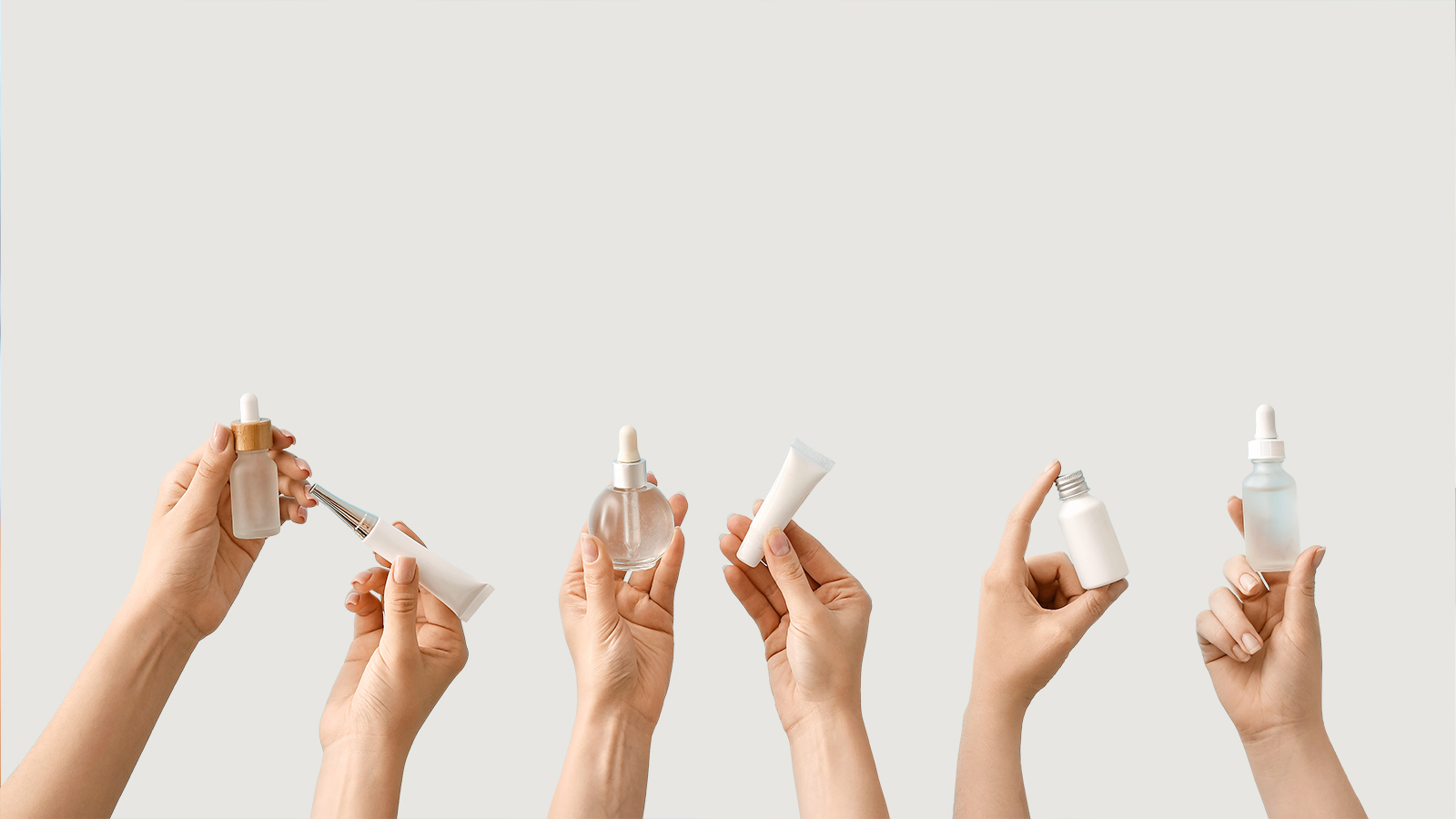
Every year there are countless trends. Trends for the beauty industry as a whole and those trends for each segment like ingredients, packaging etc. Here in COSSMA’s new trend series, we try to collect as many trends for 2025 as possible. And not just any trends – your most important ones. Which ingredients can not be ignored? How to pack your products now? What tools help to develop the best products? How can we use KI to our advantage? Throughout the year we hopefully will get answers to all those questions… and many more! Let’s stay up to date!
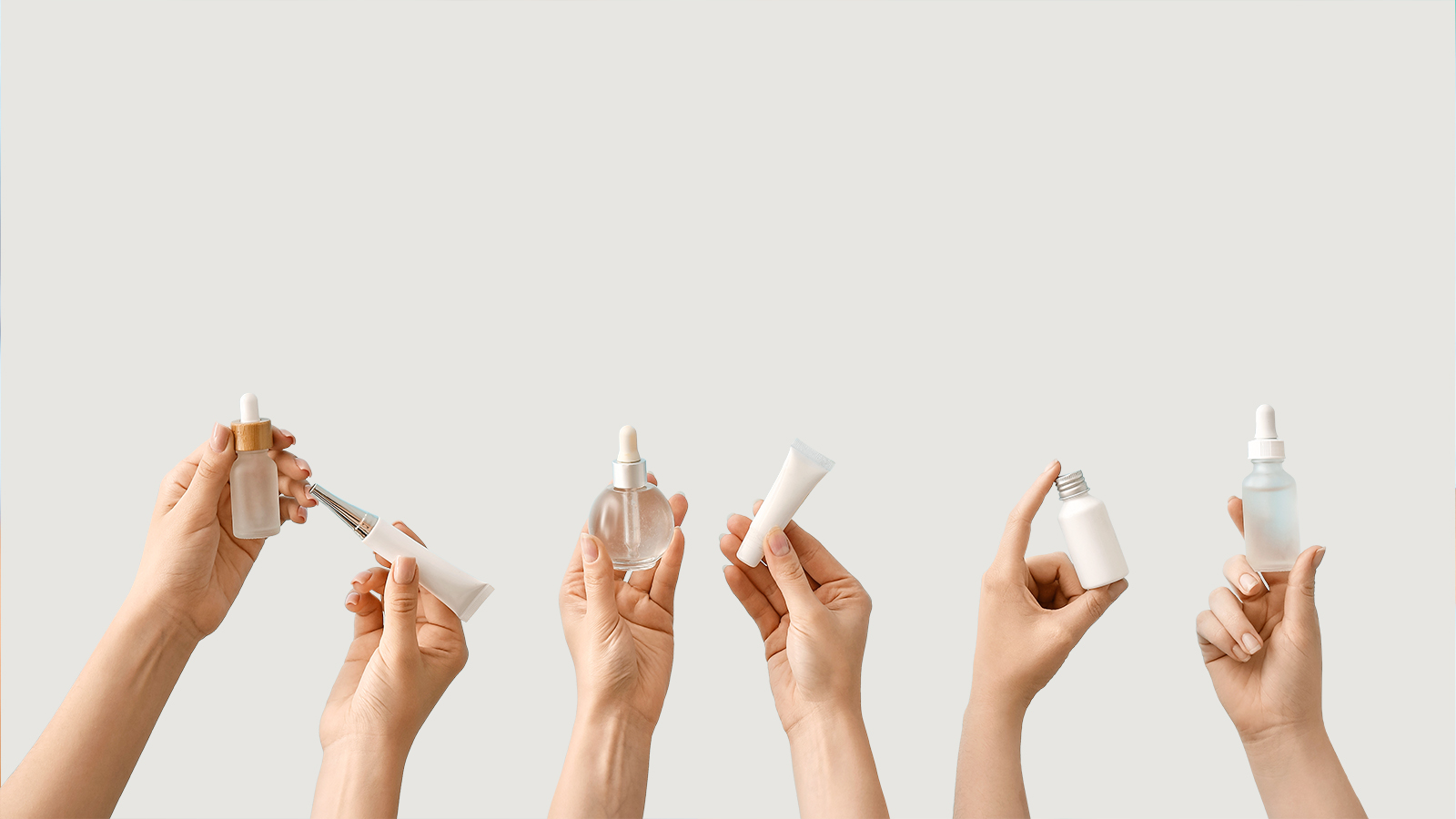
Every year there are countless trends. Trends for the beauty industry as a whole and those trends for each segment like ingredients, packaging etc. Here in COSSMA’s new trend series, we try to collect as many trends for 2025 as possible. And not just any trends – your most important ones. Which ingredients can not be ignored? How to pack your products now? What tools help to develop the best products? How can we use KI to our advantage? Throughout the year we hopefully will get answers to all those questions… and many more! Let’s stay up to date!
Veganism is often considered solely in terms of food and diet, but vegan beauty is one of the fastest growing industries with consumers globally. Over the last decade, veganism has gained significant traction worldwide; the number of vegans in the UK quadrupled between 2014 and 2019, while 13% of consumers across Asia identified as vegan in 2021.1

Social media’s impact on the beauty industry has been nothing short of remarkable. Brands are increasingly relying on digital platforms for quick and easy product launches, mass popularity, and near instant virality. Sometimes, all it takes is one influencer or a clever, eye-catching piece of marketing content to send a product skyrocketing across the globe. Leonora Eckley, Account Director, FMCG, Luxury, and Beauty at CARMA talks about how brands canmaster the art of balancing social and traditional media.

As the beauty industry navigates a period of slowed innovation, brands have a unique opportunity to align with the slow beauty trend and meet evolving consumer expectations.
Roziani Zulkifli, Event Director of in-cosmetics Global, talks about AI driven formulations and how events can adapt to the new challenges from the changing industry.
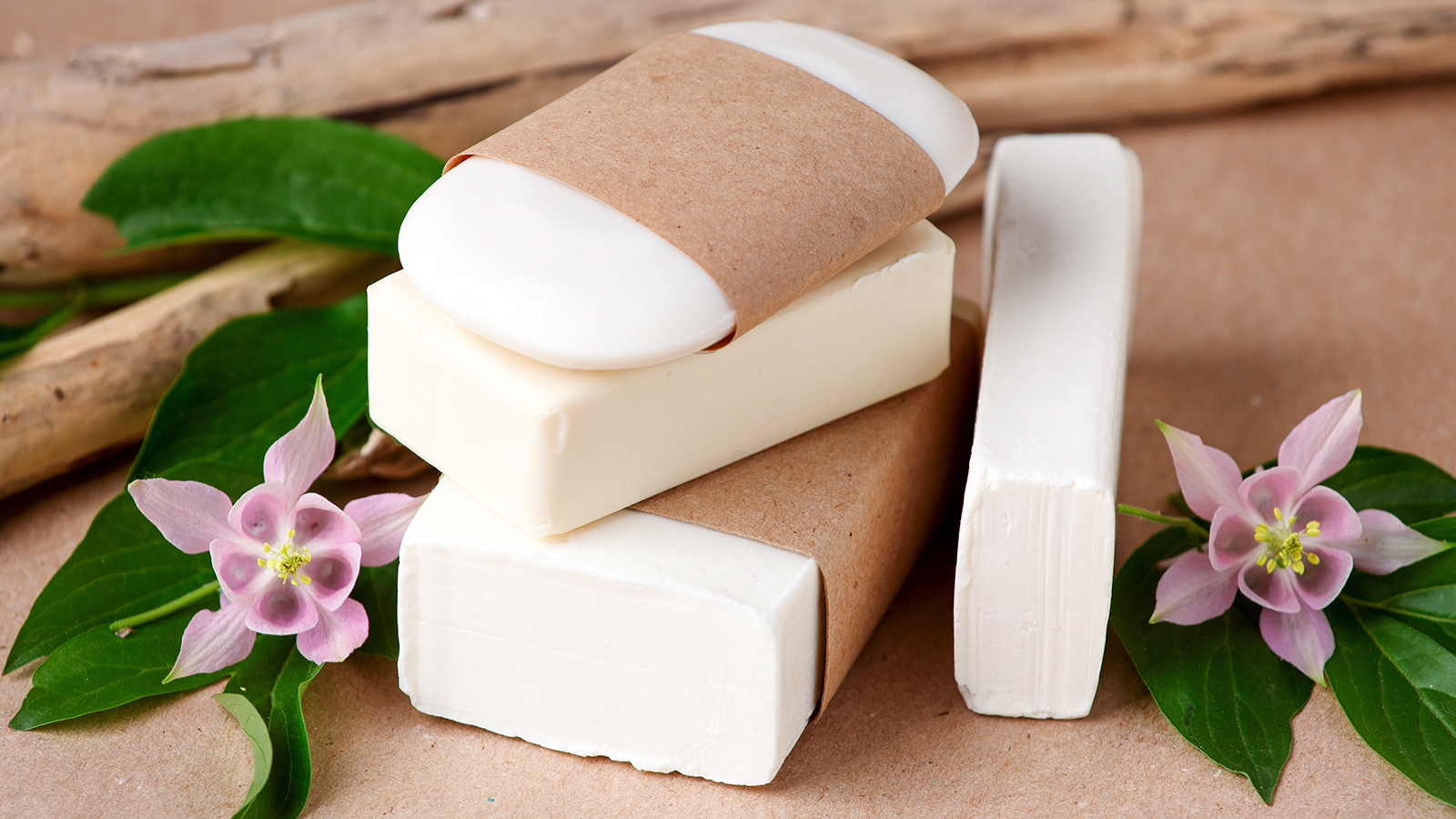
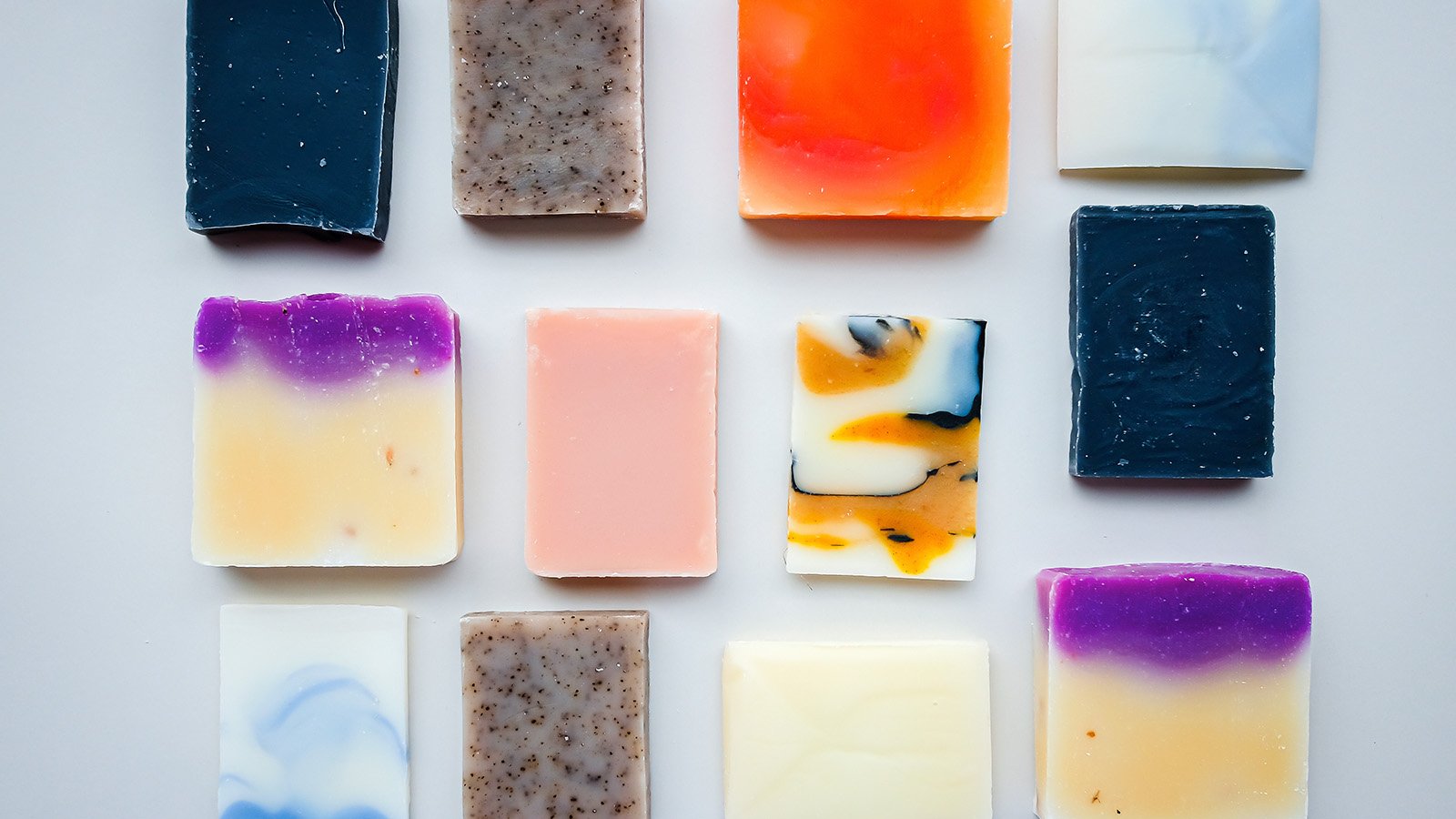
For both brands and consumers, solid product formats offer a timeless, versatile, and extremely functional option – from the classic soap bar for day-to-day use to high-performance shampoo and conditioning bars that offer mild, yet effective cleansing and moisturizing capabilities. And all that while using less water…

Sunscreens’ environmental impact is composition dependent. The bioaccumulation of UV filters in the aquatic food chain and known harmful effects on aquatic organisms makes ingredient selection critical when designing a new product.
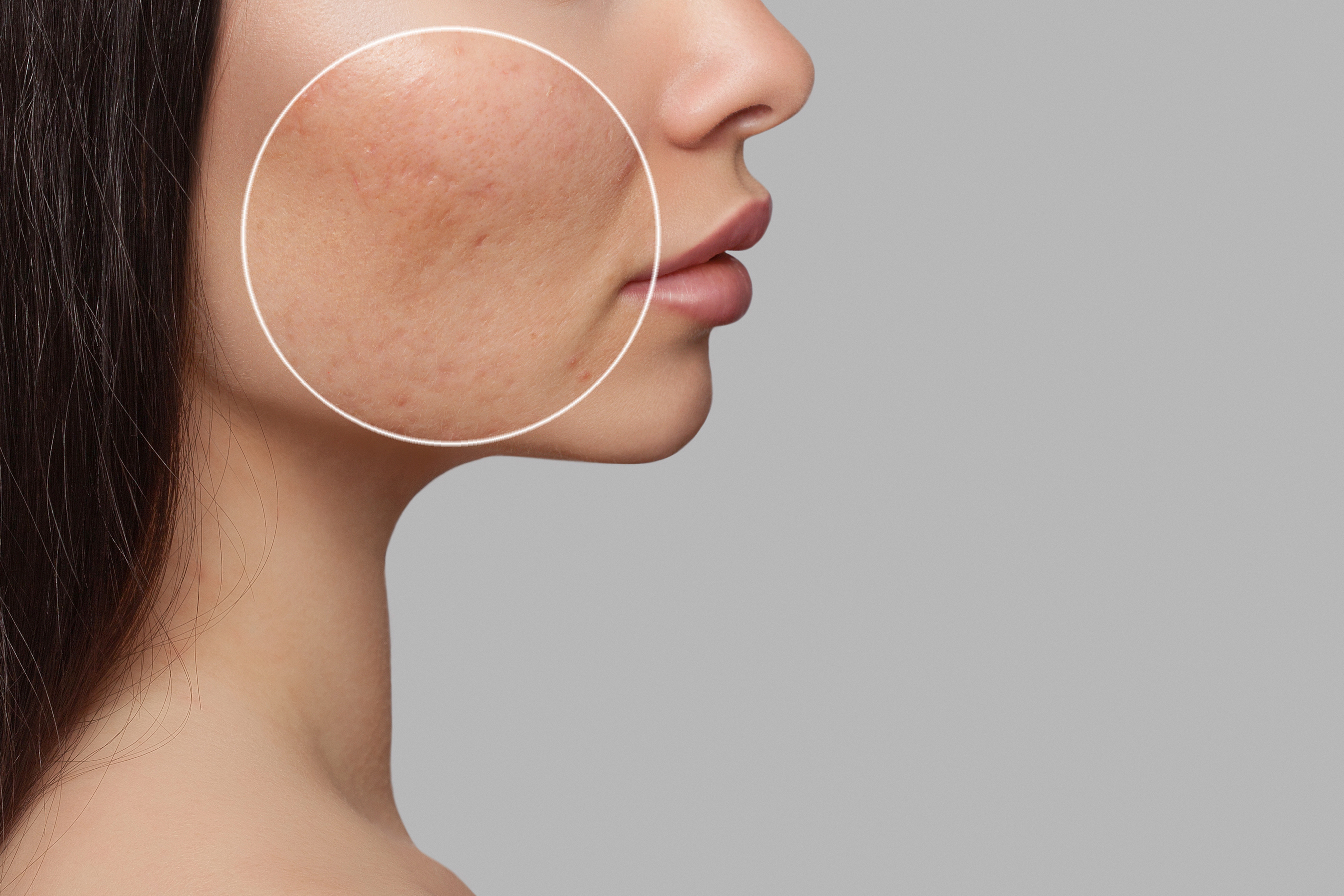
The concept that chronic skin inflammation may be the source of skin inflammaging is expanding and so natural ingredients that can address sources of skin inflammation are desired. Chronic skin inflammation driven by activation of caspase-1 via skin cell NLRP (Nod-Like Receptor Protein) inflammasome activation is a strategic target for new skin care technologies.

Gen Z are the next generation of consumers who are reshaping the beauty industry with their unique preferences and values. It is important to explore and understand their attitudes towards suncare and the growing demand for mineral UV filters. It is also important for us at Croda to look at what the formulation challenges are when developing suncare products but also to seek and advise on solutions with science backed data.

The beauty industry is changing. Ingredients – their sourcing and their effects – become a huge focus point. Merve Samur from INCI Lab talks about how consumer trends influence brands and product developments.

Advancements in longevity research are shifting the focus from merely extending lifespan to improving healthspan–the years lived in good health. While modern medicine and lifestyle changes have increased life expectancy, aging remains closely linked to chronic diseases and declining quality of life. Emerging research on molecular hydrogen highlights its potential to counteract cellular aging, reduce oxidative stress, and promote overall well-being, offering a promising approach to achieve both longer and healthier lives.

As sustainable practices become a driving force in consumer behaviour, the beauty, personal care, and cosmetic industries are finding themselves at a crossroads. No longer just a handy buzzword, circular and sustainable beauty focus on developing and designing products and processes that could minimise waste, reuse resources, and critically, extend the lifecycle of materials.
Not just in Europe the cosmetic market is changing rapidly. Fei Xu from Asia Cosme Labs talks about the trends in China you shouldn’t miss!
As 2025 approaches, Stephenson expects the beauty industry to continue working on the development of new-generation products that couple functionality and efficacy, with natural and sustainable ingredients while reducing water consumption and packaging. In addition, today’s beauty and personal care products must not only meet the expectations of informed consumers but also satisfy a brand’s requirement for manufacturing speed and efficacy. This is the view of Stephenson’s marketing manager Tim Pulleyn and product manager Charlotte Gronan, as they weigh in on some of their top trends to watch in the year ahead.