Youthful skin
Fighting skin ageing is one of the top priorities of facial treatments. A new active ingredient developed by Roelmi HPC now might be the solution: a microbiota-friendly cell energiser, designed to optimise mitochondrial activation.

The universe of textured hair is very specific. The curvature of the strands and the health of the scalp must guide the tests, product development, and customer satisfaction. Symrise aims to leverage expertise on the topic.
A year-long multi-stakeholder process develops a method for assessing botanical materials. It not only helps fill data gaps and improve decision making for natural ingedients, but also allows consistency and comparability between traditional ingredients and botanical alternatives.
Today, 2.3 billion people live in water-stressed countries. Reducing water in all fields becomes more necessary each day and there is significant opportunity to reduce water in personal and oral care formulations. Anais Hecker from Omya talks about why safe, sustainable and effective waterless products are attracting growing interest in the personal care industry.
With the implementation of Cosmetic Supervision Administration Regulation (CSAR) since 1st January 2021, the Chinese cosmetic market has begun a new epoch. In the following, Rong Mei Hui-Drobnik, specialist for Chinese cosmetic regulations, gives an update on the new developments.
Sustainability is now an integral part of the beauty industry. Cosmetic brands, ingredient suppliers, packaging firms, and retailers are all looking at various ways to become more sustainable. It is common for operators to use language like net zero, carbon footprint, metrics and waste materials when speaking about sustainability.
Soap, bath, shower – the “bathroom” segment is changing rapidly in the personal care industry. Wiek Kleijne, Marketing Manager Home and Personal Care at Nouryon, gives an insight about sustainability trends and a mild anionic surfactant as the answer to the sustainability problem in the bathroom.
The global overview highlights the current drivers of the specific market of clinical evaluation for ingredients and personal care brands. In this first part of two, the focus is on Europe and the preconditions for clincial testing. This market concerns skin, hair, scalp, and nail studies, for efficacy, safety and tolerance, consumer tests and sensory analysis.
The entire value chain dynamics of buying and selling are changing in the personal care industry. Over the years zero waste and sustainability claims have resurfaced quite extensively becoming a top priority amongst both brands and consumers. This trend is even leaving its footprints in the packaging part of the product development cycle.
Upcycling works best with waste products that inherit very effective qualities. One of those waste products is the Annona Cherimola, more precisely the fruit extract made from it. CLR uses said extract for their skin products and shows how well upcycling works – not just for the beauty sector but for the earth as well.
Even without a general codex for sustainability, there are standards that shape the market for raw materials. Kelly Gilroy, Vice President of Univar Solutions, talks about the importance of sustainable raw materials and what the future raw materials could be.
With the growing trends in sustainability and upcycling, natural cosmetics became a huge aspect of the whole beauty industry. Using natural incredients isn’t just nice to have anymore. It became a respected beauty standard. We present a selection of formulations and ingredient suppliers that gives an insight into the latest developments.
Her vision was and is to show that green beauty products work and are pleasant to use. Dr Barbara Olioso talks about the importance of formulating according to green standards and how cosmetic products can establish a connection to mother nature in a time where we live far away from it.
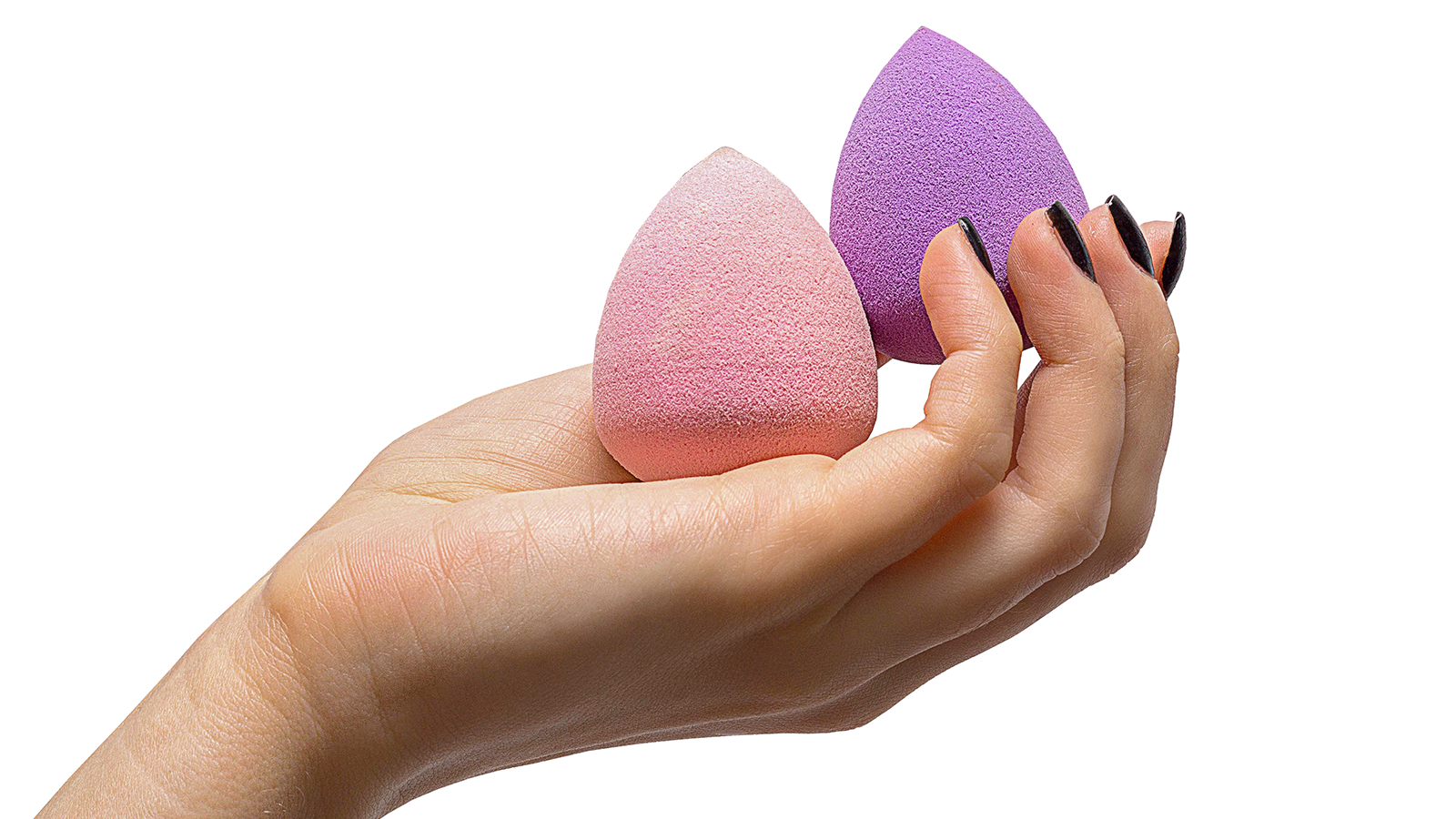
The development of more responsible beauty tools, expected by customers, is a major challenge for the cosmetic accessories industry. Alternatives to petrochemicals in makeup tools must be taken into consideration while preserving application performance and user experience.
According to the latest statistics, the global beauty industry market size is set to be worth $571.1 billion in 2023. This number alone is astonishing, and it gives an idea of how many people are involved to generate and contribute to it: Manufacturers, brands, retailers, distributors, importers, salon owners, and, finally, the end consumers.
Bacteria and fungi are not just found in the gut but on the skin as well. They positively impact the wellbeing just as the state of the skin. With a few easy tips incooperated in the daily routine, one can support the skin health and unleash the power of microbiome!
Sponsored Post
Inspiration and new ideas for the cosmetics industryFrom ingredients and private label production to filling and packaging machines as well as the full range of packaging, CosmeticBusiness offers all the building blocks of cosmetics production and packaging in one location. At CosmeticBusiness, more than 300 exhibitors and represented companies from over 20 countries will be showcasing their expertise across more than 11,000 m² of exhibition space. Additional features such as the Spotlight novelty show, the tried and tested theme routes and a varied conference programme round off the event.
Cannabidiol (CBD) has become increasingly important in the cosmetics industry in recent years. The natural ingredient can offer a range of benefits for skin and hair care and is being used in more and more products. This article looks at the benefits of CBD in cosmetics, current and future market developments, and the regulations governing the use of CBD in cosmetics in the EU.
Sunscreens contain effective UV filters to protect the skin, but they must be specially protected so that they do not lose their effect even before they are used. As a research partner in the field of packaging technology and material development, we already provided a brief overview of the special packaging requirements of sunscreens in Part 1 of this article (COSSMA 1-2 p 26). In this article, we explain how sustainable alternatives could be just as good as polymer-based packaging in the future. In particular, you will find more information about sustainability and the latest developments in paper.
Some 400 million tonnes of plastic waste are produced globally every year, according to the United Nations. Around a third of this comes from packaging. Much of it is left in the earth, to become part of the fossil record of our era. Besides waste pollution, the generation of raw materials also causes harmful emissions. This is not a legacy we want to leave for future generations and the industry is working together on multiple levels to address climate change. Here, PCR is considered as part of the solution.