Creating a better cosmetics world

When chemical systems and biological systems are in demand, that is exactly his metier. Dr Fernando Ibarra knows the cosmetics industry, its demands and needs inside out. The member of the COSSMA Expert Advisory Board talks about the possible weaknesses of the industry and where the road must lead in the coming years.

Tree exudates instead of petrochemicals

Naturality | The cosmetics industry needs to innovate in its formulations to meet consumer expectations and address environmental challenges. Dr Isabell Jaouen explains the current difficulties in moving towards more natural ingredients.

Smart devices

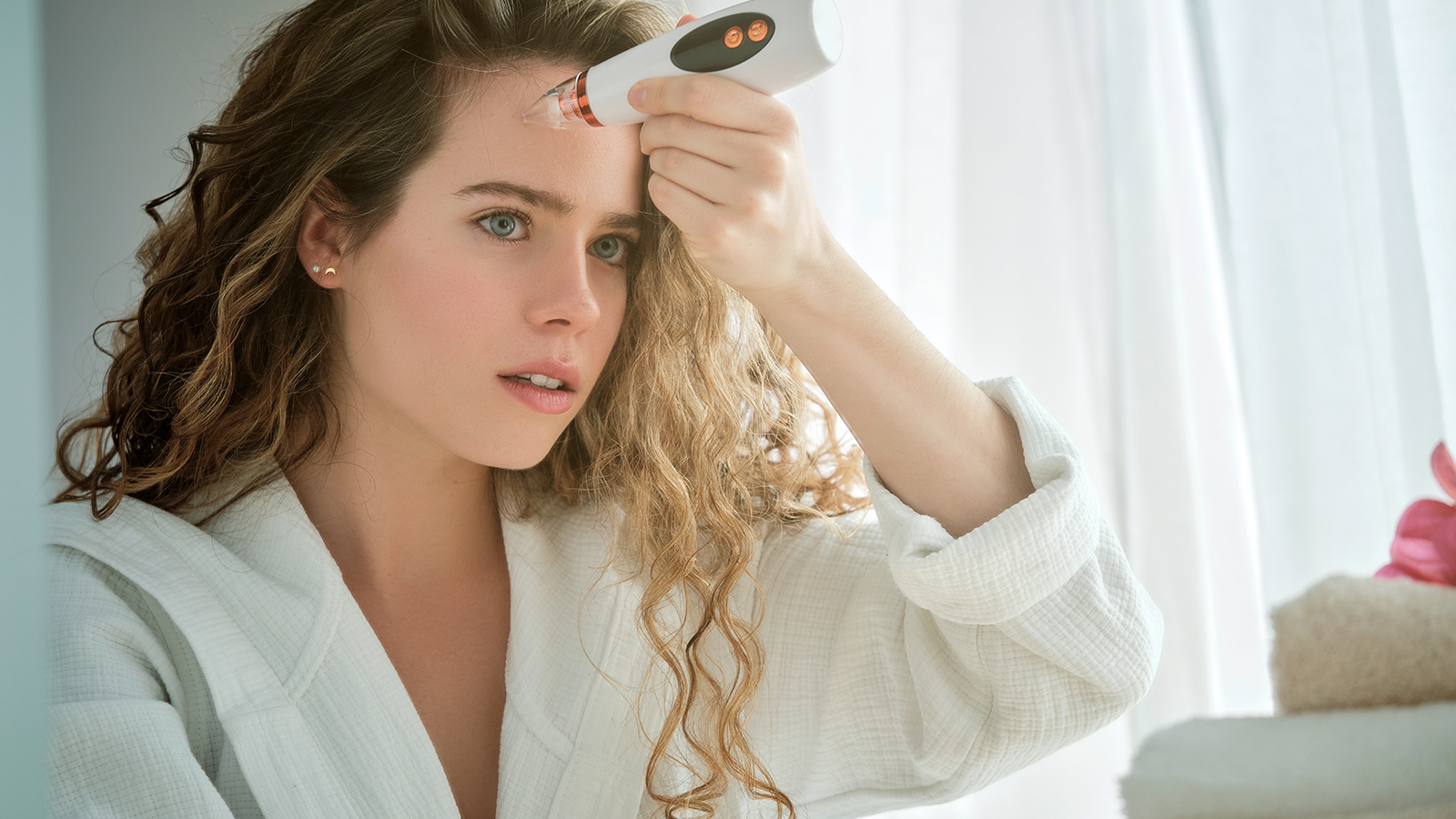
New technologies | The call for personalised products is getting louder – also in the cosmetics industry. This is not only about the cosmetic formulations that are applied to the skin, but about devices to help analyse, compose, and formulate individualised products. Patrick Williams knows the market and what the devices need to be able to do

Naming and Claiming

Pro- and postbiotic | Not only in nutrition, but also in cosmetics, the effect of pro- and postbiotic ingredients is appreciated as health-promoting. However, the use of these claims in the beauty sector must be used with caution. Harald von der Hoeven knows which conditions must be met for which designation.

More Circularity

Sustainable solutions | Packaging made from recycled plastic is playing an increasingly important role in cosmetic products. To improve the quality of the raw material and the recyclability, several partners have worked on a project that could be ground-breaking for the cosmetics industry. Bettina Siggelkow and Stefan Rüster present the work and the results of the project.

Consequences of the CSAR

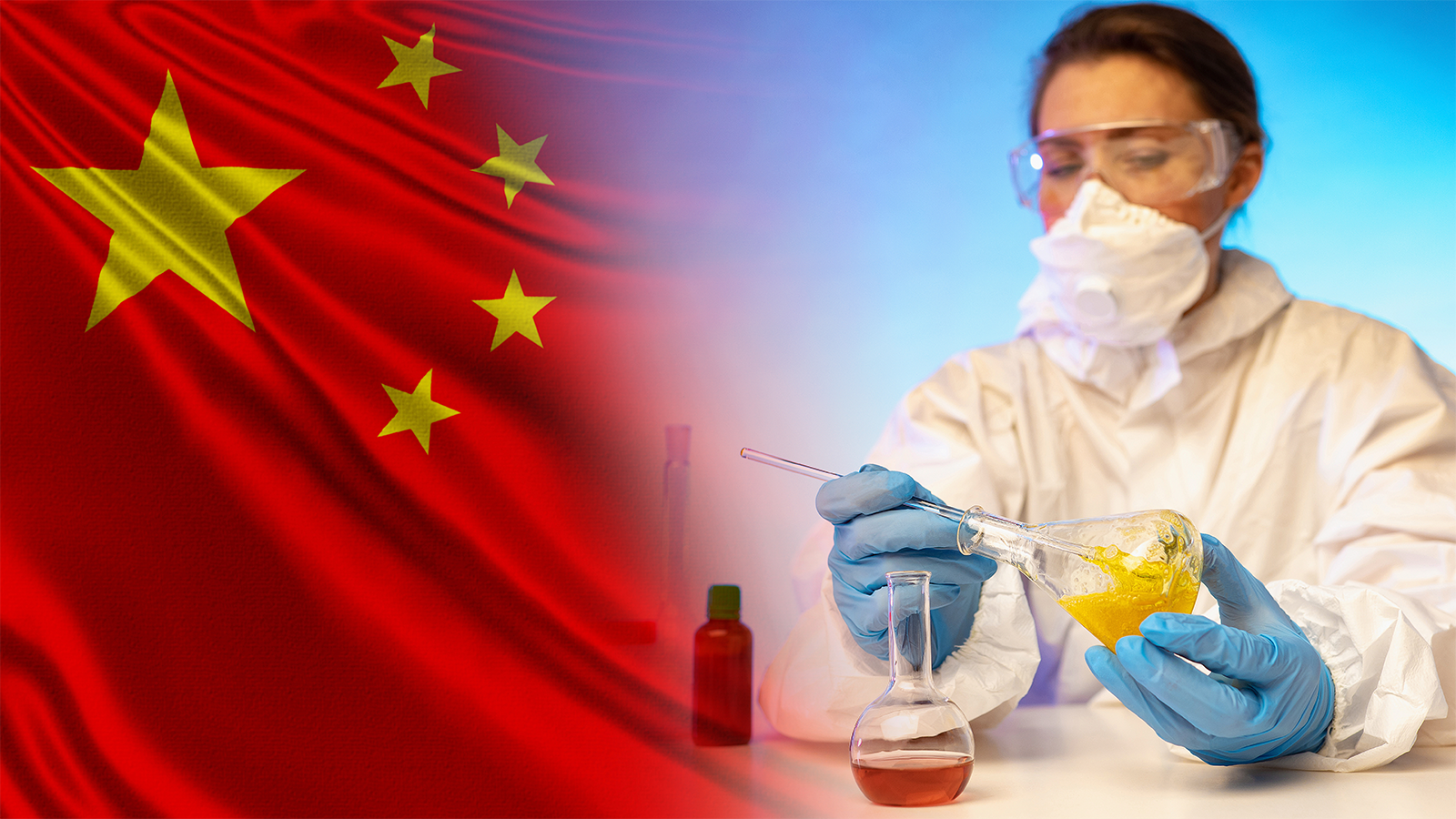
Legal | The Cosmetics Supervision and Administration Regulation (CSAR) has far-reaching implications for both the Chinese and international cosmetics markets. Seongmin Sohn knows its significance for ingredient regulations and interprets it in depth

Eight myths

Natural cosmetic preservation | When developing green cosmetics, green preservation is also always a must in the formulas. There are some myths that Barbara Olioso would like to debunk and share.

Mapping the processes

Traceability | If you want to sell a cosmetic product in Europe, you must be able to prove all the ingredients and their ‘history’. That’s quite an effort, considering that the market is becoming more and more global. Lea Saporetti shows what measures cosmetics manufacturers can take to improve the traceability of their products.

Special edition kicks off

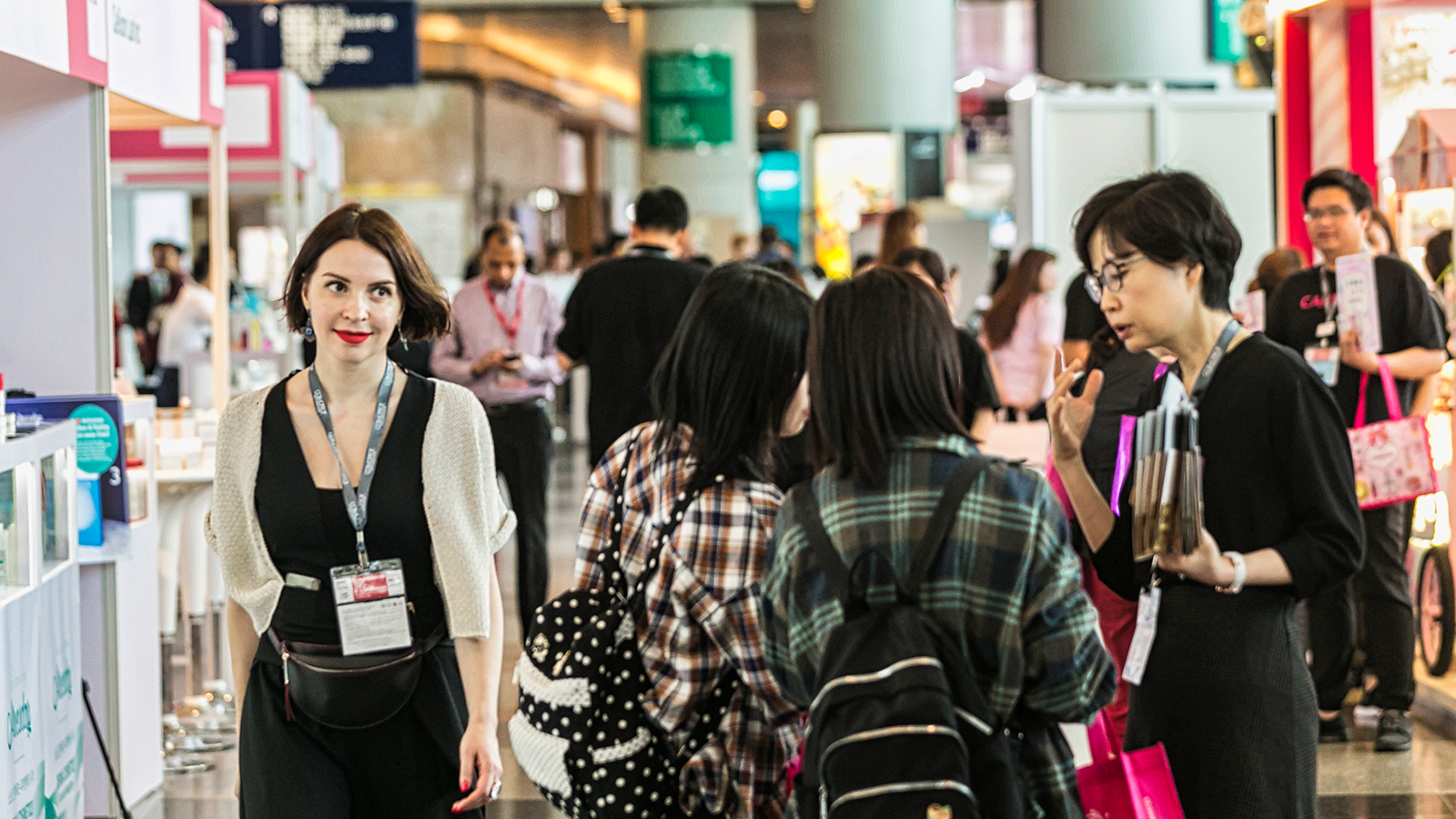
Sustainability | In just a few days, key players and stakeholders in the beauty industry will redefine the future of beauty in the Asia-Pacific region at Singapore Expo. A host of exhibitors await visitors, and a special programme is designed to create a special connection between exhibitors and buyers.

When upcycling meets beauty

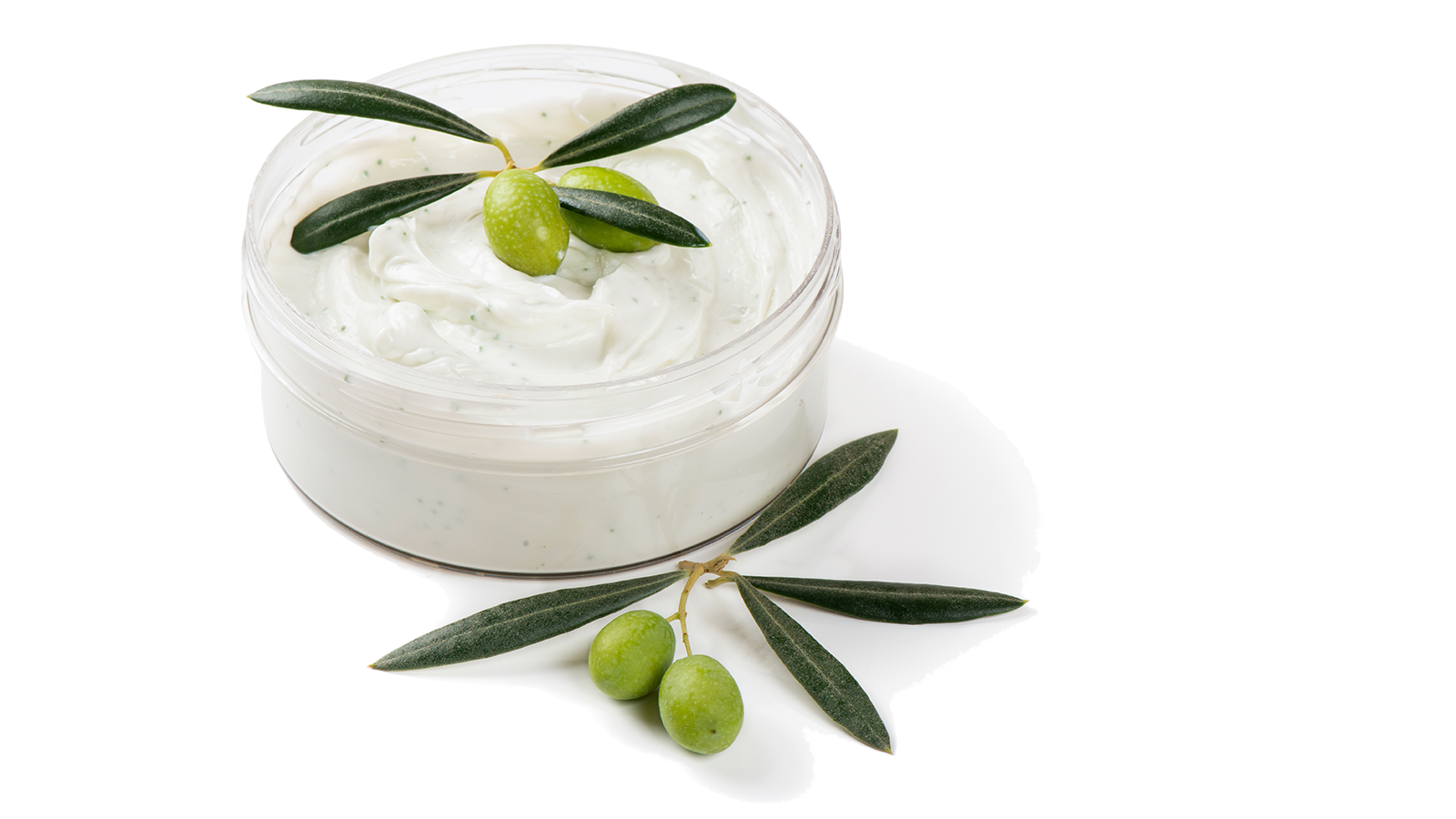
Sustainability | Food by-products are being increasingly appointed as a reasonable source of natural raw materials used by the cosmetic industry. Stefania Zanzottera describes a range of functional ingredients deriving from the valorisation of non-edible olive fractions.

Issue 11 – 2022

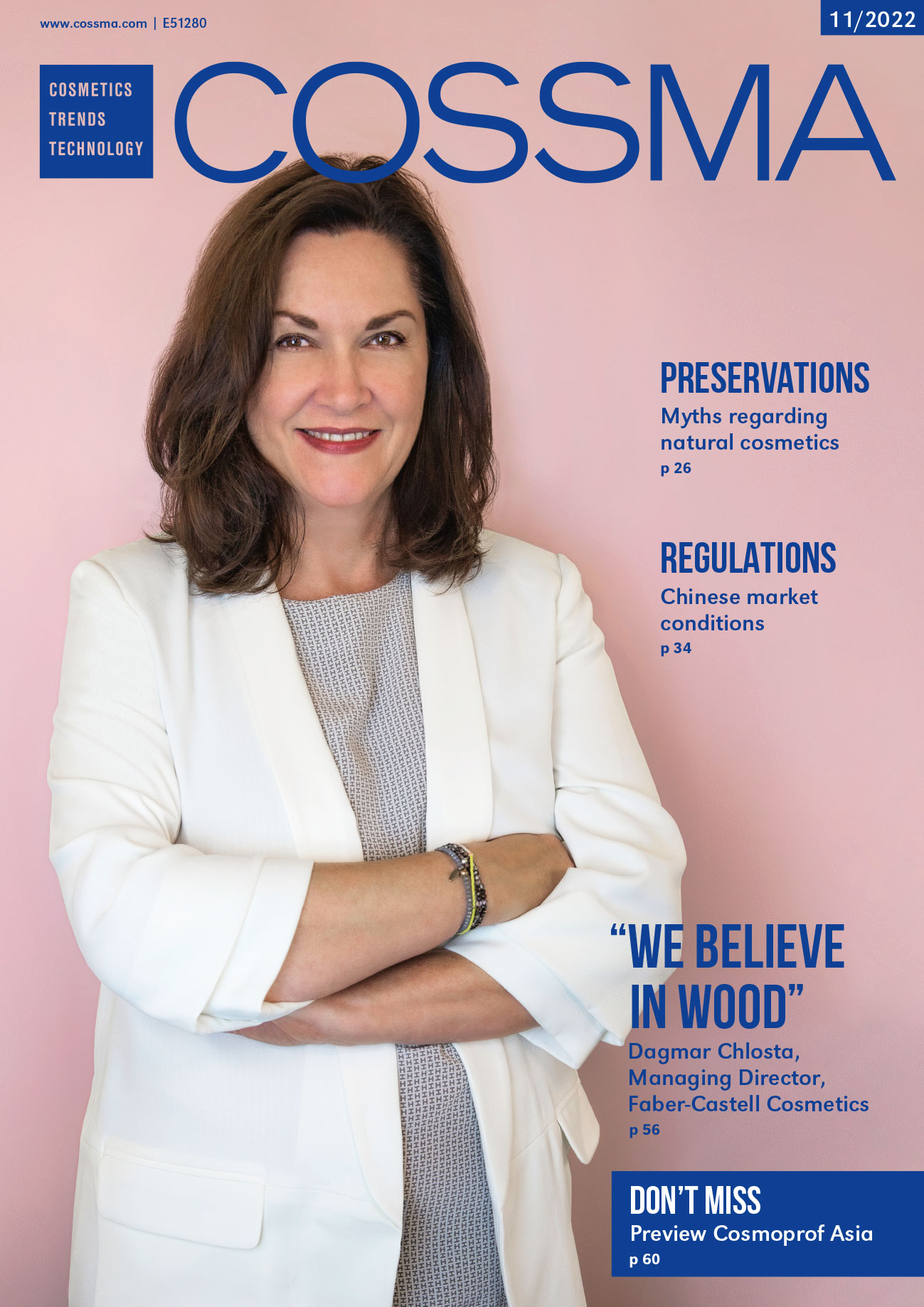
Issue 11 – 2022 Here is what you can look forward to in this issue: Preservations: Myths regarding natural cosmetics Regulations: Chinese market conditions “We believe in wood”Dagmar Chlosta, Managing Director, Faber-Castell Cosmetics Get an e-paper subscription Issue 11 – 2022 Here is what you can look forward to in this issue: Preservations:Myths regarding natural … Read more

Agile workflows

Processes | The effects of our fast-paced times are also evident in the cosmetics market. Those who can react at short notice are quicker to meet customers’ wishes. Walter Klein explains how optimising production can work.

Applying a hospitality mindset

Corporate philosophy | Edson Barros talks about building on scientific competences that have always been at the company’s core and enhancing the customer experience with an approach inspired by the hospitality industry.

Sponsored Post

Codif marks a new milestone in the history of photo-bioreactor algal culture

Everything started in 2006 when we decided to take on a student to write a thesis on “Developing a cellular culture of Jania Rubens”. This macroalgae has incredible properties, but it is slow-growing and there is a significant risk of overexploiting it. So the company considered a simple question: “how can we grow the algae without having a negative impact on nature?” 

A bunch of flowers for preserving cosmetics

Multifunctionals | In the course of the ever-increasing demand for natural ingredients in cosmetics, it is also worth taking a look at preservatives. In fact, there  are effective options  here such as fragrance components that can be used in a variety of ways.

Recycled ingredient

Silicones | Making products even more environmentally friendly and saving resources is high on the agenda. One of the latest developments is the possibility of using recycled silicone polymers as ingredients. Alexander Selig talks about these ground-breaking results.

Issue 10 – 2022

Issue 10 – 2022 Here is what you can look forward to in this issue: Flexibility: Rapid responsiveness to market conditions Security: Effective protection against counterfeiting “Applying a hospitality mindset”Edson Barros, Senior Director Marketing & Innovation, DSM Get an e-paper subscription Issue 10 – 2022 Here is what you can look forward to in this … Read more

Biomimetic Boosters

Not all peptides are the same. That is why it is important to know what peptides are, how they work and what they do. In addition, Dr Larissa Legewie explains the small but subtle differences between these biomimetic messengers.

Circular product design

The cosmetics industry is moving fast to adopt life cycle assessment. Many individual steps can be optimised in the manufacturing of a product. Ella Ceraulo explains what is possible.

Bio-based silicone substitute

Silicones enjoy a dubious reputation: loved for positive properties in cosmetics on the one hand, rejected because of their less environmentally friendly side effects on the other. A plant-based variant of isododecane represents a new alternative to silicone.