Cosmetics produced by people with disabilities
Camilla Marcus-Dew, Co-Founder of The Soap Co., talks about a luxury skin care brand produced by people with disabilities.

International Magazine for Cosmetics and Fragrances
Camilla Marcus-Dew, Co-Founder of The Soap Co., talks about a luxury skin care brand produced by people with disabilities.

Ingredients | Lumicease blue ingredient from Lipotec provides triple photoprotection by preparing the skin for the exposure to solar and artificial blue light, while protecting it during exposure and repairing it in case of light-induced damage.

Anti-ageing products are important for the beauty industry, but the attitude towards ageing is changing as healthy living has turned into a megatrend. In Euromonitor’s survey on the major motivations for skin care purchases, “to prevent signs of ageing” and “to correct signs of ageing” were not in the top ranks. The motivations that topped the list were “to improve the look and feel of my skin”, “for clear and healthy looking skin” and “skin care is an important priority for me”.

Ingredients | 20 years ago Nivea used Q10, an ingredient that fosters skin functions in several ways, for the first time. How does this anti-ageing ingredient work and what are the benefits when combined with creatine?

Additional Information: Internet Linklist to the company and products presented
Product development | This month Michelle Strutton from Mintel looks at active ingredients in personal care products highlighted on the company’s GNPD*.
Zeze Oriaikhi-Sao, Founder and Director, Malée Natural Science provides insights into African luxury Indie brand Malée.
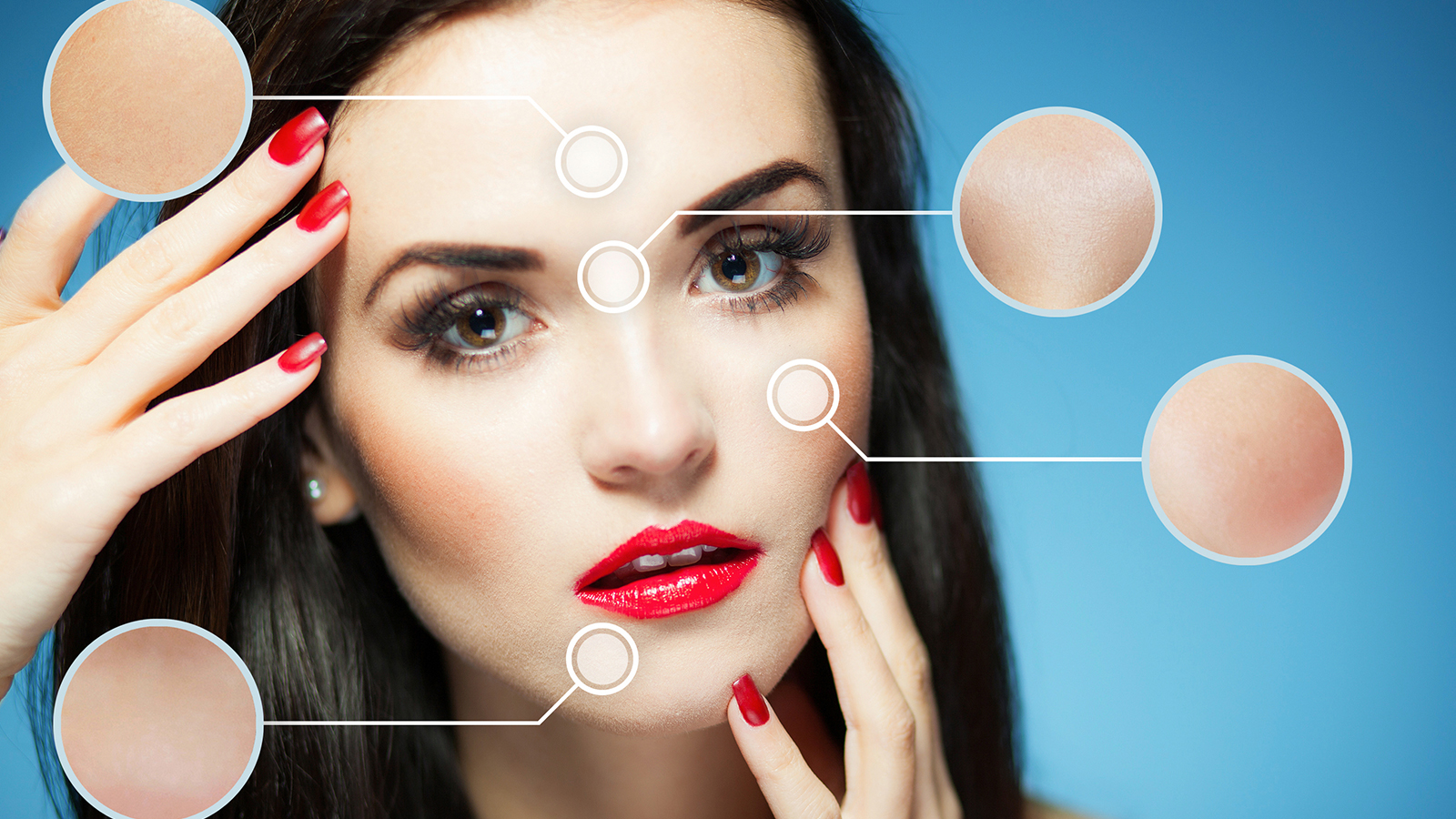
Dermatology | Prof Dr Jean Krutmann from the IUF discusses the latest findings in skin ageing, the effects on the skin caused by UVA and UVB light, infrared, blue light and pollution, and talks about the phenomena of sensitive skin.
Charlotte Libby, Global Beauty Analyst at Mintel provides a snapshot of the four major trends set to impact global beauty.
Helga Hertsig-Lavocah, trend watcher at Hint Futurology, explores how the latest global trends are dominating beauty packaging.

Aerosols| Scott Carpenter from Formulated Solutions shows how meaningful technical innovation in the field of aerosols can utterly transform the consumer experience.

Product development | Sven Gehrig from Wala points out the advantages of established labels in contrast to the new ISO standard and how they protect raw materials and products for genuine natural and organic cosmetics (NOC).
Formulations | It’s a well-known fact that new product development in cosmetics in Europe is inspired by Asian and especially Korean trends. This is also the reason why masks have started to gain tremendously in importance over here. If you are looking for inspiration in the versatile field of masks, treatments and exfoliants, you are bound to find some interesting new concepts in our compilation of formulations.
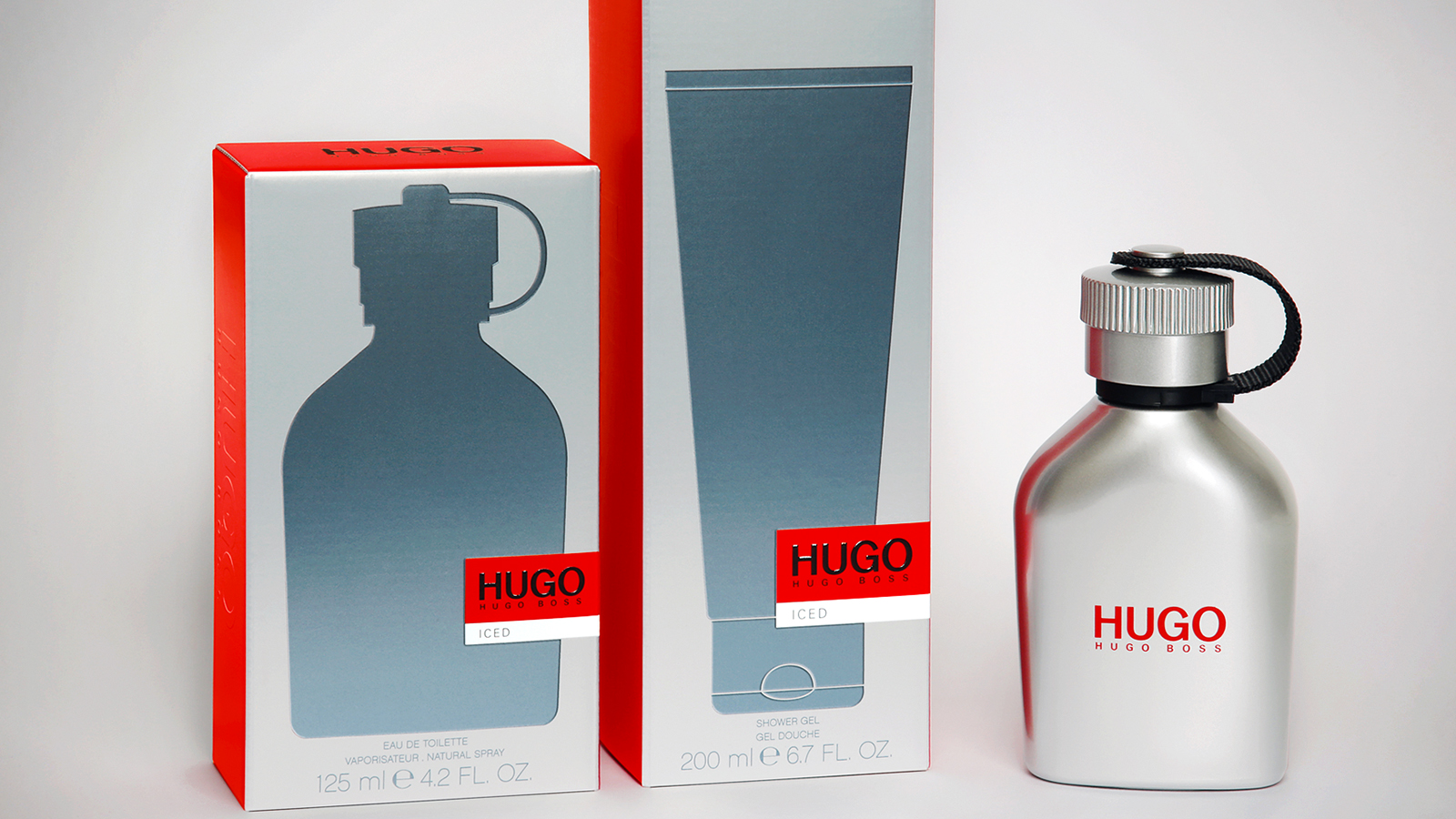
Model Kramp’s InlineFoiler 2.0 cold foiling module in combination with an eight-colour Manroland machine opens up a whole new world of finishing.

Interview | What are the main differences between synthetic and natural perfumes? Which challenges can be met and where do restrictions make it impossible to create satisfactory solutions?

Product development | This month Michelle Strutton from Mintel features a selection of some of the most interesting fragrance products recently highlighted on the company’s GNPD*.

Hair care | Dr Thomas Förster and Dr Georg Knübel from Henkel disclose myths and facts on different hair bonding treatments.
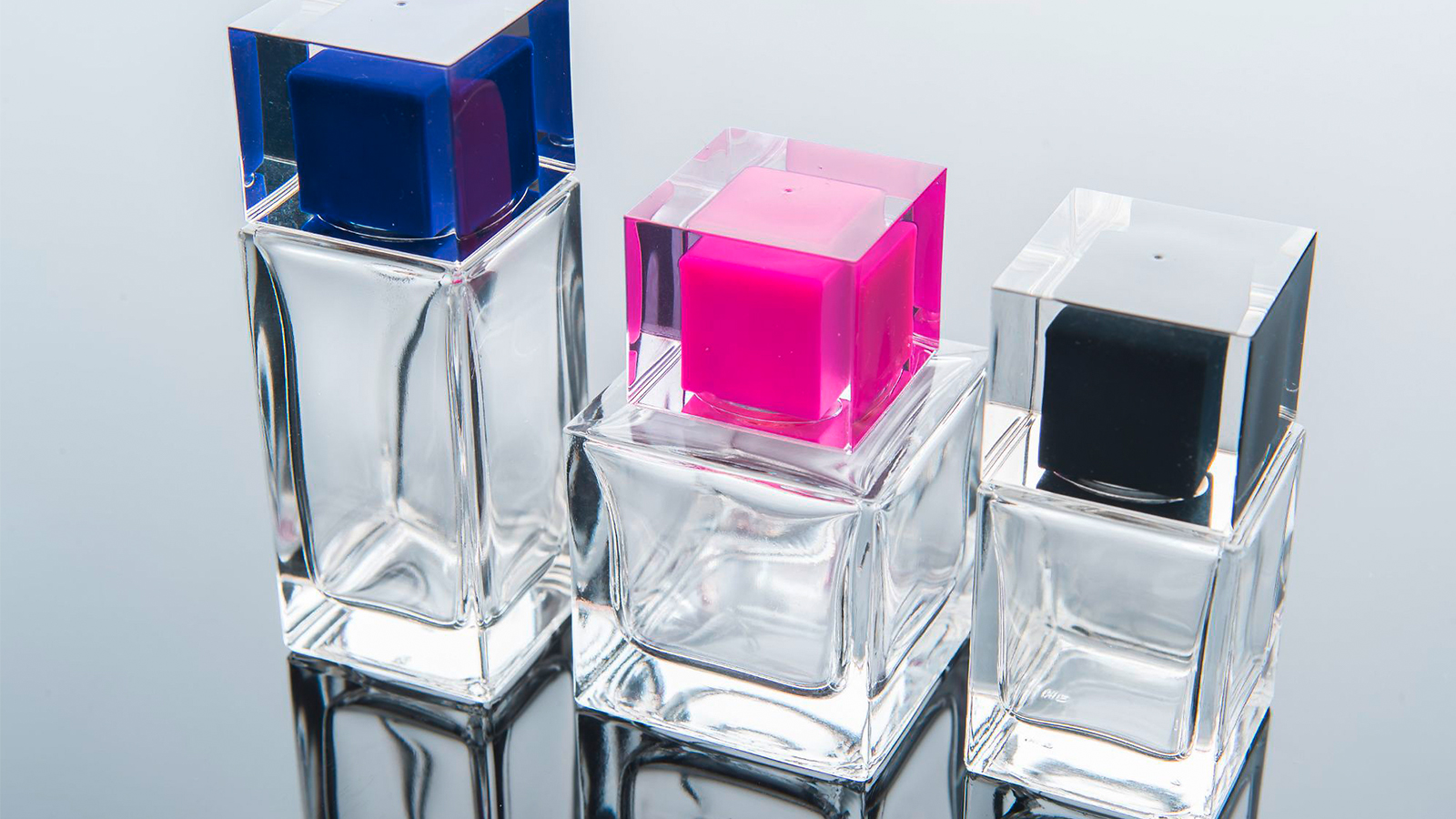
Packaging | For perfumes, creativity is required for closures to match the sophistication of the bottles. For other packaging, convenience and one-handed use is of utmost importance.
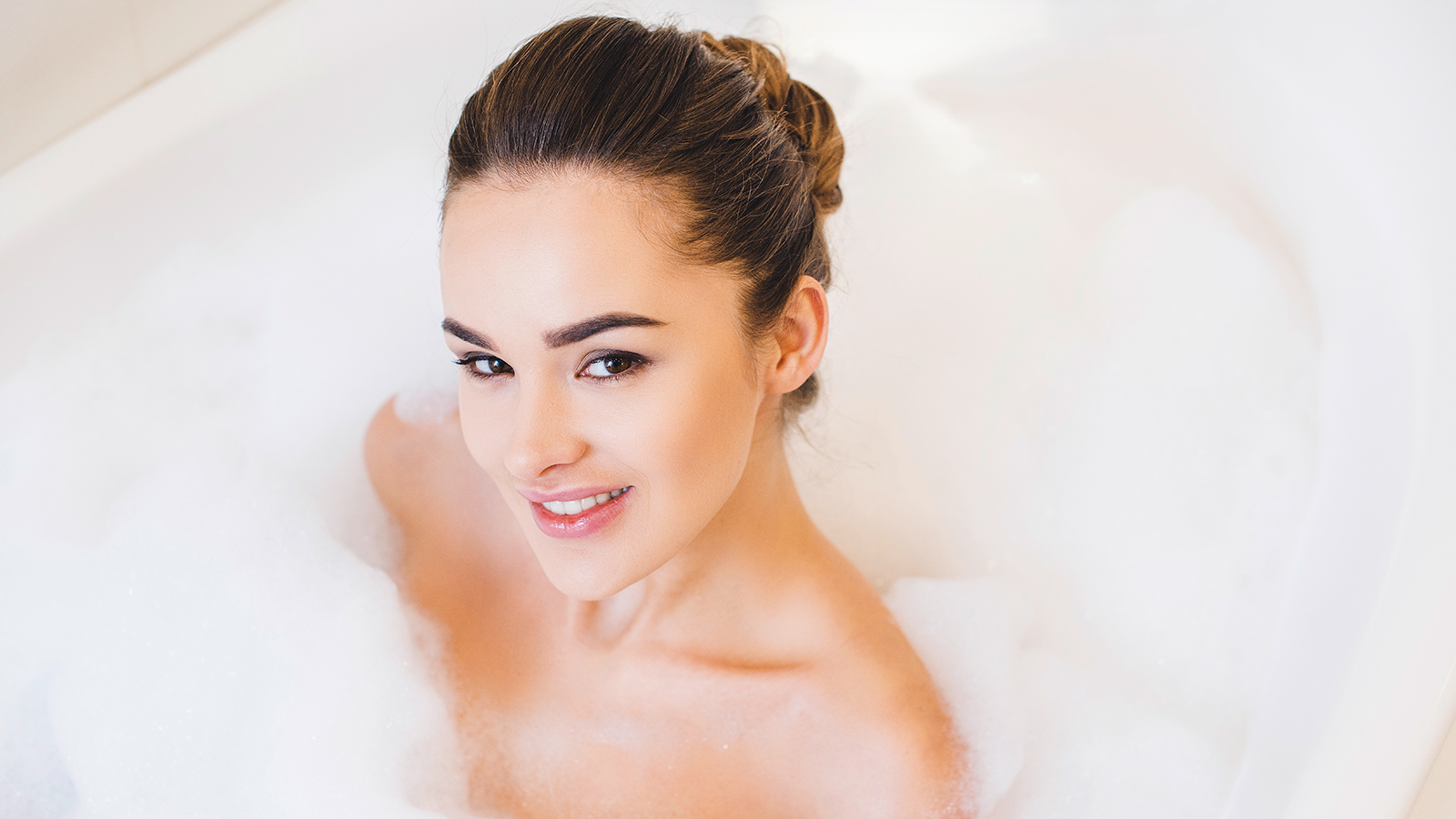
Interview | Dr Rainer Wohlfart discusses Kneipp’s most important scientific findings in personal care and the product concepts that resulted from them.

Hair care | Sabrina Mizael from Seppic proves that the emollient ranges Emosmart and Emogreen not only improve hair shine and strength but also serve as an alternative for silicone oil in both rinse-off and leave-on products.