What a shower can change

Sustainability is the catchphrase par excellence when you ask about current trends and demands regarding cosmetic products. Consumers themselves can change a lot with their behaviour – for example when showering. With an improved formulation, brands can support them in this while strengthening their sustainable reputation.

For less environmental impact

Sustainable packaging is increasingly in demand. While monomaterial solutions and less material are sustainable, they are difficult to implement in practice. Aude Laclaire talks about the status and which steps must be considered in the development.

Balancing human and environmental safety

Sunscreens add a significant value to society in protecting skin and human health. Nevertheless, recent concerns refer to the effect some UV-filters may have on human and/or environment safety. Specifically, this affects octocrylene (OCR) and ethylhexyl methoxycinnamate (EHMC) discredited for different reasons, resulting in a sharp demand towards replacing UV-filter systems of past decades.

International differences in recycling

Guide | To tackle the international waste problem, one popular approach is to recycle the plastic packaging we already have. But the definition of ‘recyclability’ differs significantly globally. Vivan Loftin knows the problems and presents initial approaches to solving them.

The future will be sustainable

Packaging | The desire for sustainability in cosmetic products is great. But what does this mean for packaging in the near future? Daniel Traub knows how the market is developing and what will become more and more important next year.

Needs of eco-conscious consumers

Sustainability | Finding the perfect balance between ensuring sustainable sourcing, and to also ensure high-growth business development can be hard. Robin Cordier knows what options are available to meet consumer demands for cosmetic products with a low environmental impact.

New packaging concepts

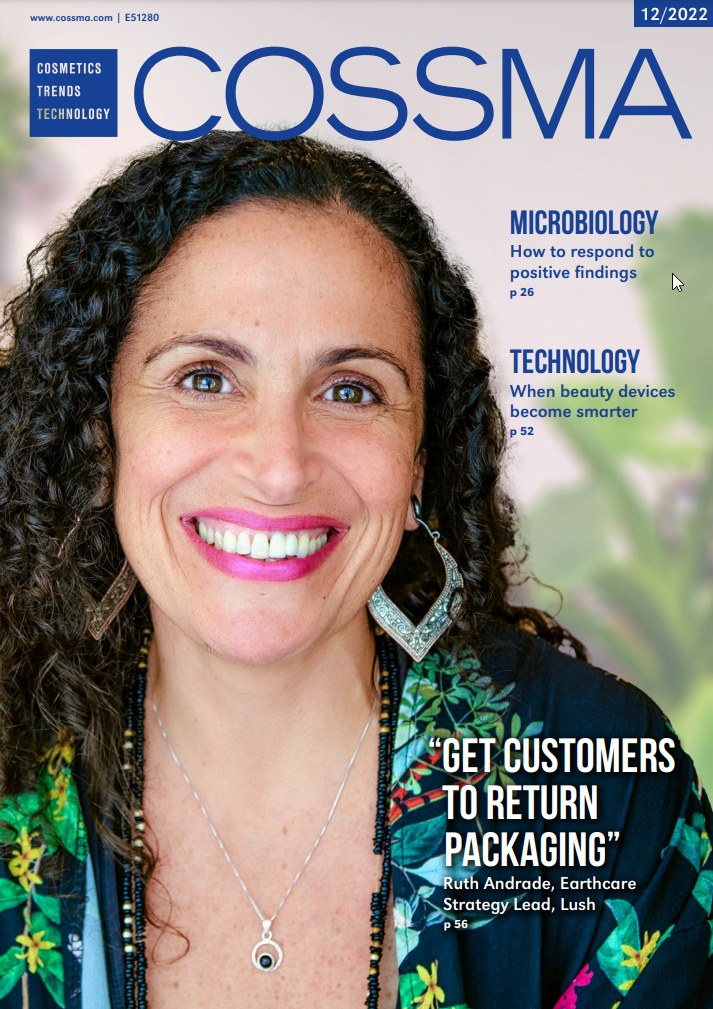
Reduce waste | Reusable packaging is suitable for reducing the ecological footprint of products and for saving packaging materials and resources. While this has long been established in many areas of life, e.g., drinks, the cosmetics industry seems to be lagging. Ruth Andrade talks about her pioneering work to introduce reusable packaging for cosmetic products

Issue 12 – 2022

Issue 12 – 2022 Here is what you can look forward to in this issue: Microbiology: How to respond to positive findings Technology: When beauty devices become smarter “Get customers to return packaging”Ruth Andrade, Earthcare Strategy Lead, Lush Get an e-paper subscription Issue 12 – 2022 Here is what you can look forward to in … Read more

Sustainable sourcing

Supply chain | Sustainability plays an important role in the cosmetics industry worldwide. However, the extent to which it is practised differs significantly from region to region. Tatiana Kalman talks about her experiences in increasing the quota of sustainably produced raw materials.

More Circularity

Sustainable solutions | Packaging made from recycled plastic is playing an increasingly important role in cosmetic products. To improve the quality of the raw material and the recyclability, several partners have worked on a project that could be ground-breaking for the cosmetics industry. Bettina Siggelkow and Stefan Rüster present the work and the results of the project.

Effective – but sustainable?

Eye patches | Among the solution to fight tired eye contour, hydrogel eyepatch has been favoured by consumers for years. From an ecological point of view, however, they have so far been able to score only few points. Alix Bellanné knows the latest advances here.

The future of application

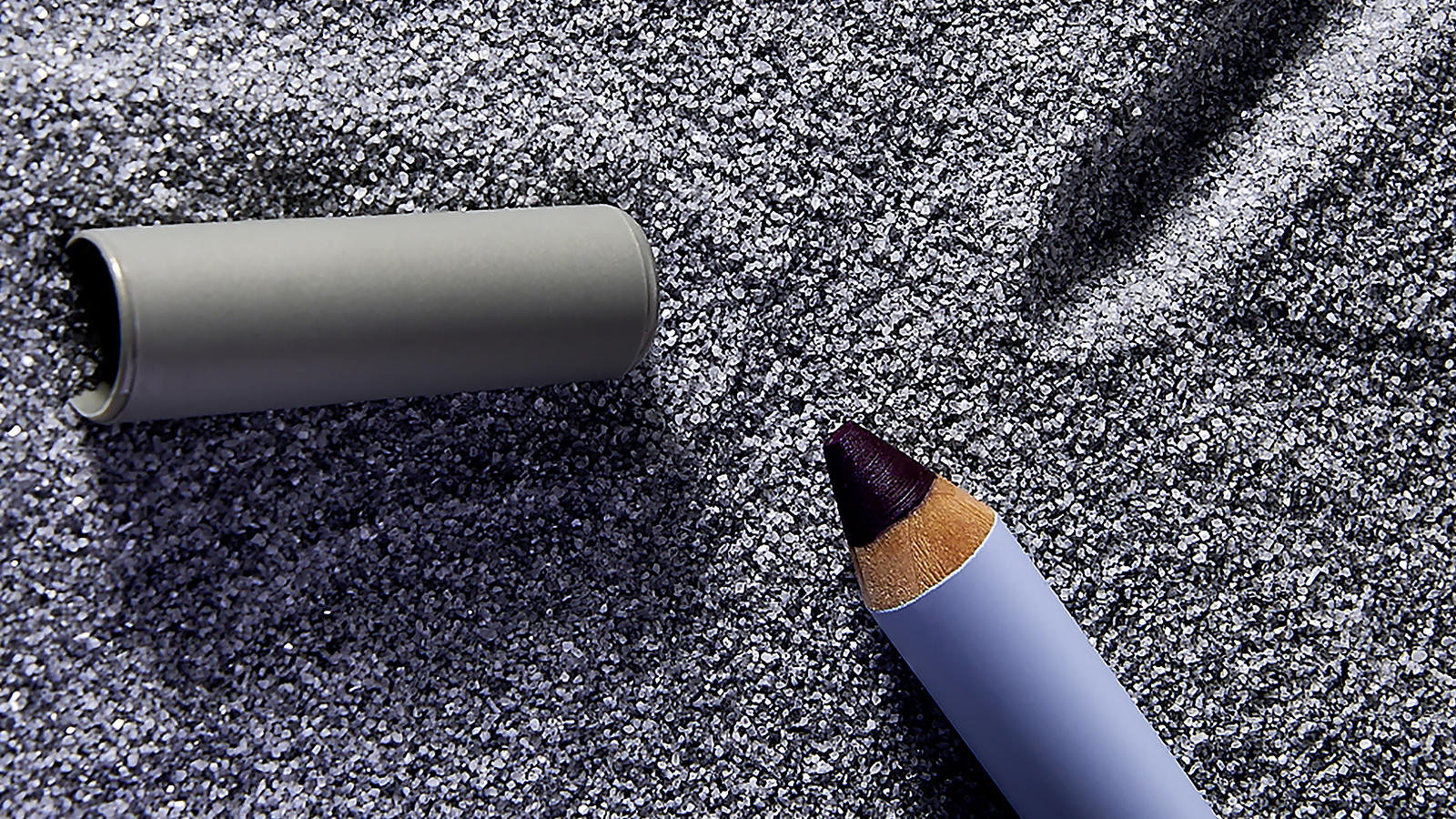
Applicators | Packaging design and the ideal dosage form play a very important role for care products in the sensitive eye area. Special applicators not only create a wow effect during application but can also increase the degree of sustainability of the entire product. Maud Lelièvre presents the latest developments.

Eight myths

Natural cosmetic preservation | When developing green cosmetics, green preservation is also always a must in the formulas. There are some myths that Barbara Olioso would like to debunk and share.

Upcycled avocado

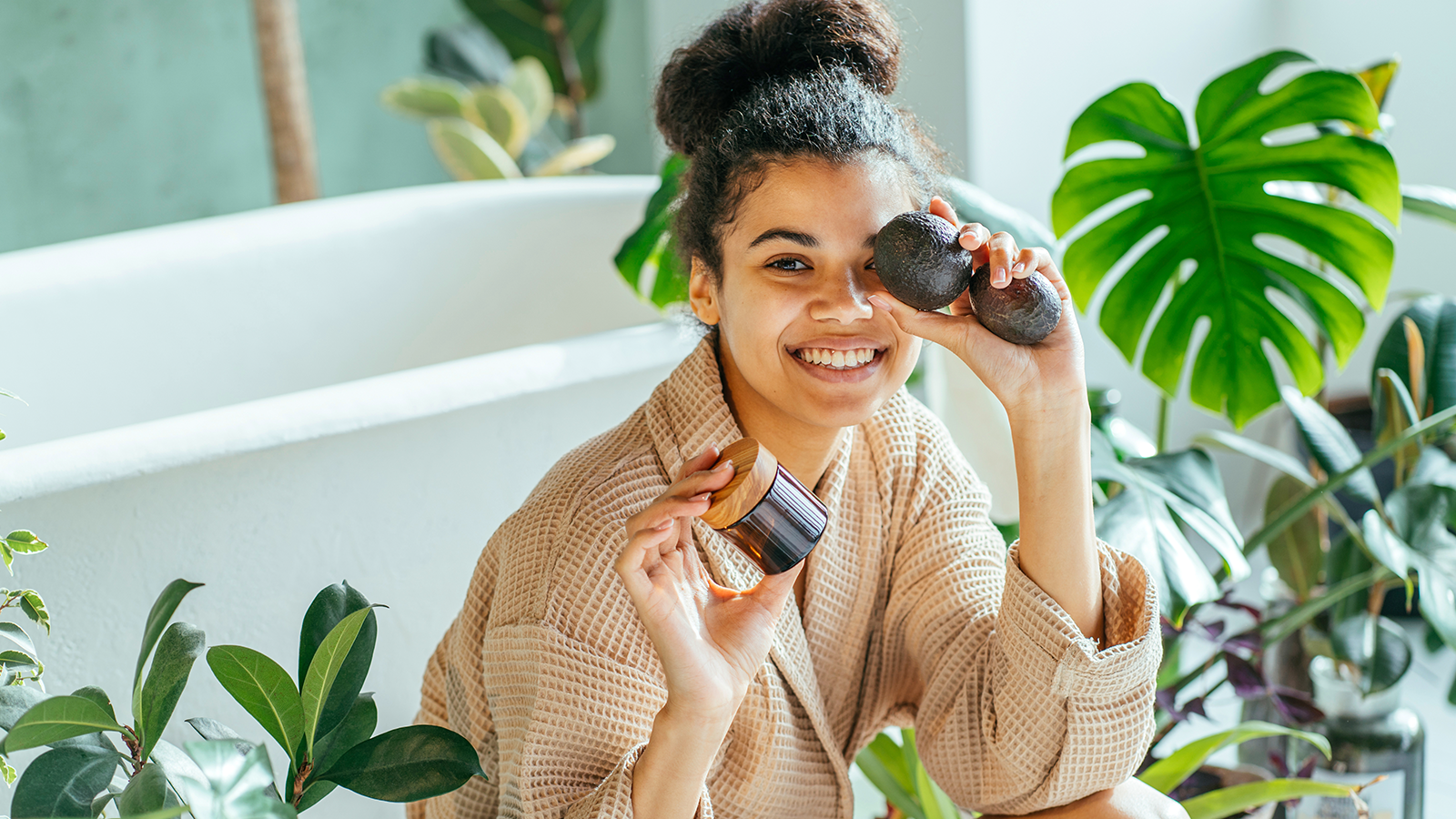
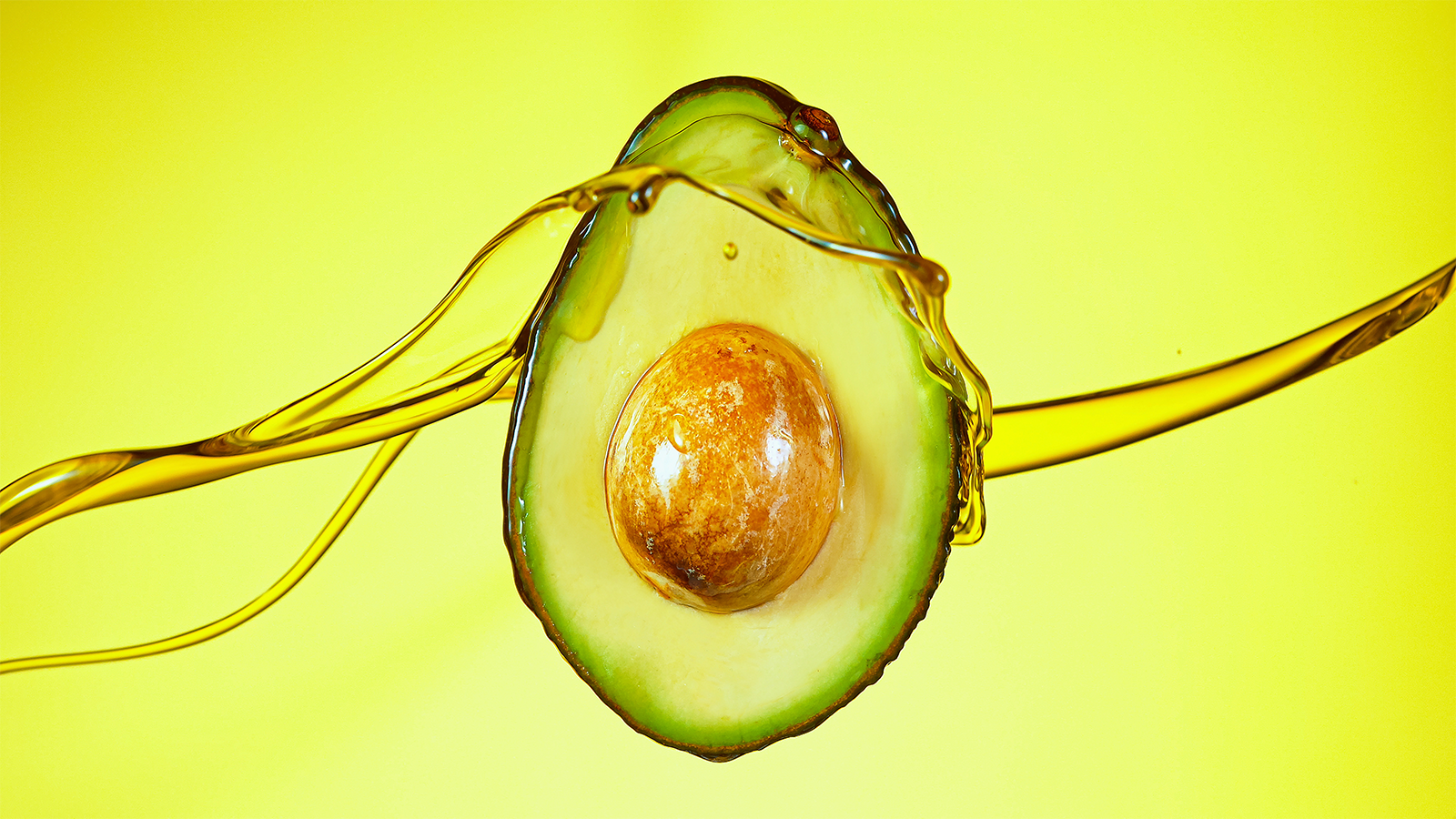
Active ingredient | The topic of upcycling is currently on everyone’s lips, but it is not as new as some might think. Avocado oil, which was a by-product of pharmaceutical activity, was already being used for cosmetic purposes over 30 years ago. Inès Duvillier explains how the polyphenols derived from it can be used in eye care.

Focus on raw materials

Packaging | If you want to produce in a climate-neutral way, you must make some efforts. Dagmar Chlosta talks about concrete measures and why plastic is nevertheless not (yet) indispensable.

When upcycling meets beauty

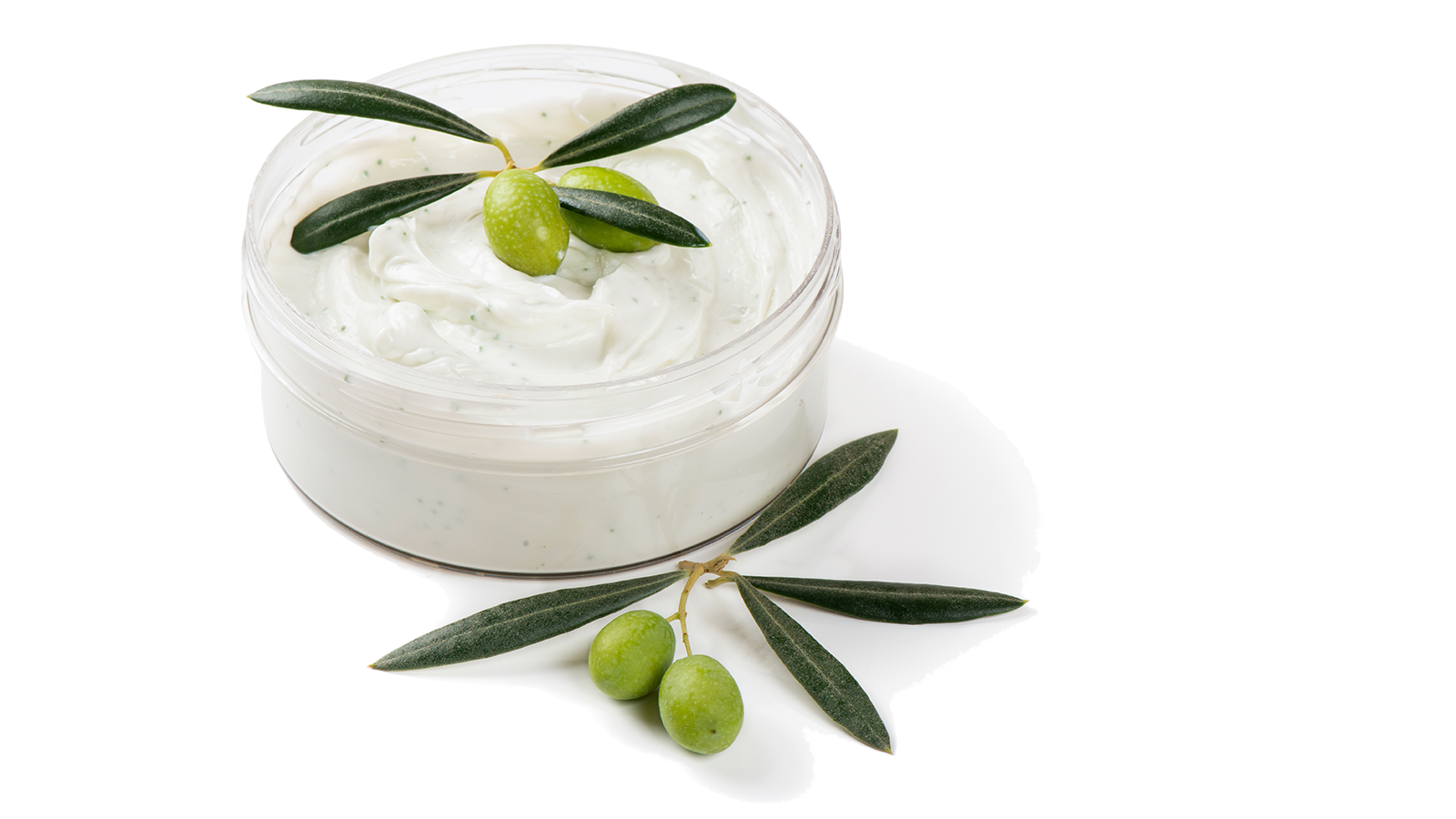
Sustainability | Food by-products are being increasingly appointed as a reasonable source of natural raw materials used by the cosmetic industry. Stefania Zanzottera describes a range of functional ingredients deriving from the valorisation of non-edible olive fractions.

Safely sealed

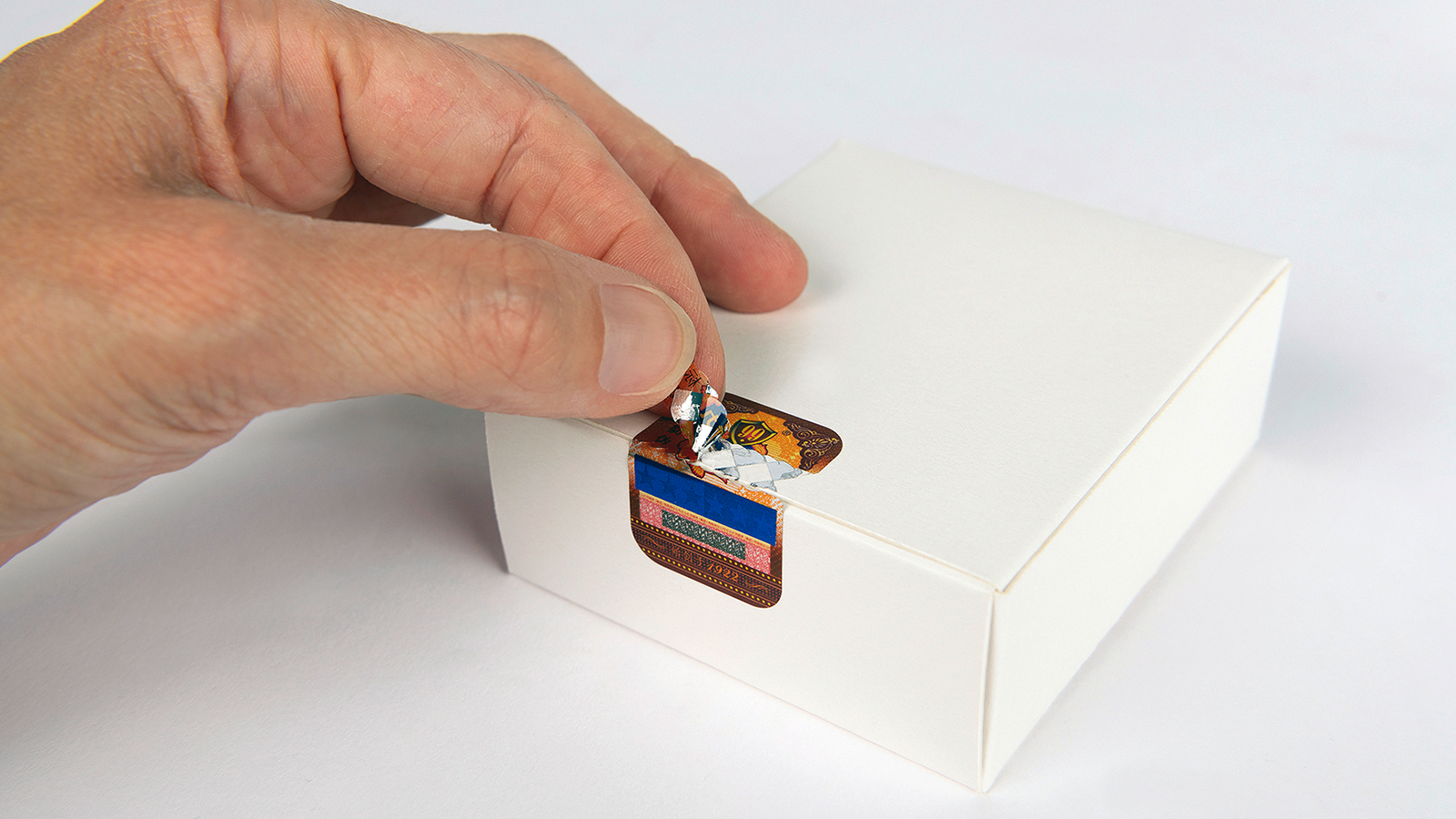
Anti-counterfeiting | Especially in the field of premium cosmetics, brands want to protect their high-quality products from theft and counterfeiting. Sealing the packaging is the most common solution here. Dominik Korsten and Marc Buettgenbach present a new process that is sustainable, secure, and noble at the same time

Recycled ingredient

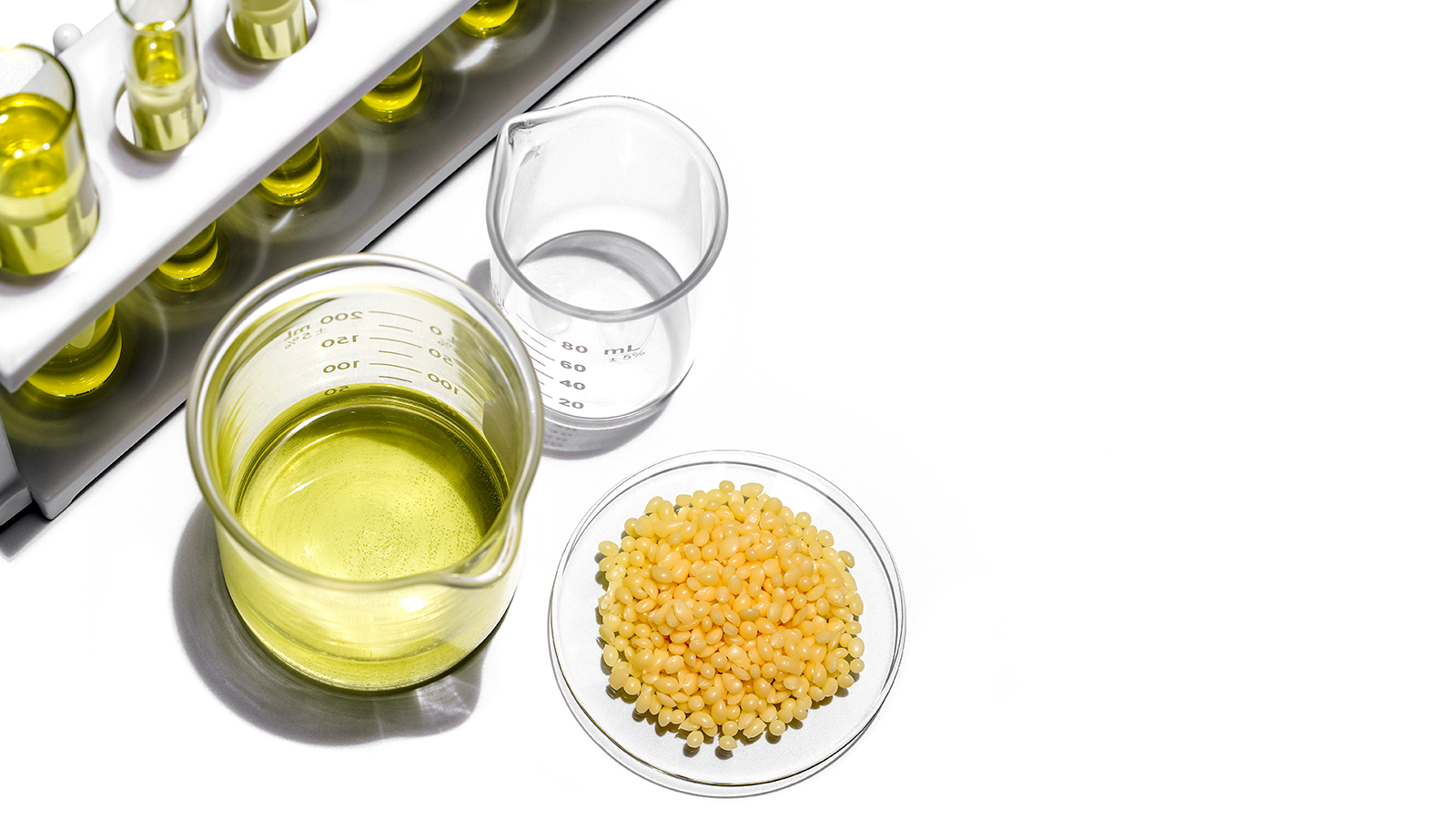
Silicones | Making products even more environmentally friendly and saving resources is high on the agenda. One of the latest developments is the possibility of using recycled silicone polymers as ingredients. Alexander Selig talks about these ground-breaking results.

Sustainability needs creativity

Many companies are committed to sustainability. However, in the daily implementation, the approaches differ significantly. Charlotte d’Erceville-Dumond talks about company philosophy and concrete projects that have an impact far beyond the company’s boundaries.