
After numerous measures to combat the corona-virus pandemic have made it difficult to visit the hairdresser for a long time, the desire for professional care is great – but at the same time the products should be sustainable. Dr Elisabeth Streefland knows what is already possible in the field of hair care.
Frequently, we only start missing and appreciating things when they are no longer there…Being in a Covid-19 lockdown for a long period of time has made many of us realise the importance of a good hair look for our status of wellbeing. No longer being able to visit our favourite hairdresser had an impact on our mood. This caused self-care routines to gain in importance; especially in times of hardship they make us feel good.
At the same time, Covid-19 has increased the awareness of the dangers, the beauty, and the vulnerability of pla-net earth. Sustainability in all its aspects has reached another dimension.
The trend of sustainability
In the beauty and personal care industry, sustainability has already gone far beyond using ingredients of natural origin. Ethical sourcing, vegan ingredients, upcycling, carbon footprint, circular economy, biodegradable packaging, and waste reduction to mention a few, are all sustainability facets playing an increasingly important role in a consumer’s decision to buy a product or not. In hair care, the booming of water free product formats such as shampoo and conditioning bars, reflect this.
These trends, wellbeing, naturality, sustainability, will not disappear when Covid-19 is under control. Consumers will continue to show environmentally conscious and self-caring buying decisions. Let’s have a look at hair care ingredients and formulation inspiration that support this strategy and can help jump on trends.
Vegan alternative to keratin
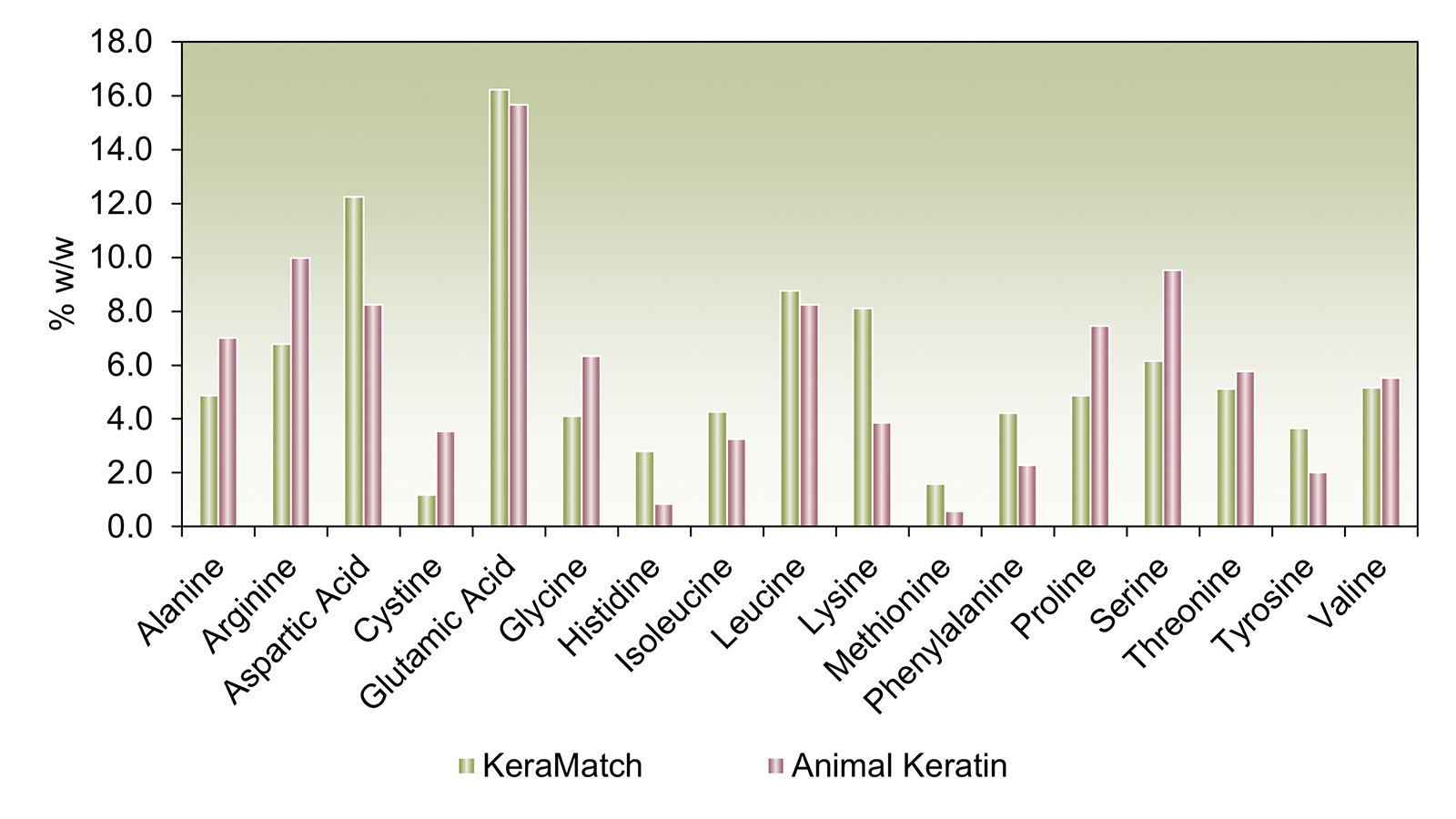
Consumers have traditionally looked for keratin proteins within their hair care products to improve the sensory feel and overall quality of damaged hair; they recognise this as the main component within hair and relate to the simple logic of treating “like-with-like”. However, due to the animal derivation of keratin and the growth of the vegan trend in recent years, consumers are now seeking alternative protein products that exhibit equivalent performance benefits, but that are derived from vegan-suitable sources. Croda developed a viable alternative to animal-derived keratin which is a unique blend of hydrolysed proteins derived from plant sources1. With an amino acid profile that is optimised to match the most abundant amino acids found within animal-derived keratin (figure 1), this protein blend replicates the performance and functional benefits provided by animal-derived keratin, to improve the overall quality of damaged hair.
One of the protein sources in the product is the potato peel which is a by-product in the waste stream of starch manufacture from the food industry, therefore demonstrating an example of upcycling. The protein blend shows good substantivity to the hair fibre, and hair strengthening and sensory performance are like conventionally used keratin. It is versatile while suitable for use in shampoos, leave-on and rinse-off conditioners, styling products and treatments.
Ecological production method
Different sustainability aspects are demonstrated by the natural extract of Apium graveolens (celery) seeds, a wellbeing active for healthy scalp and hair offered by Sederma2. It was obtained by supercritical carbon dio-xide extraction, an eco-designed process. Supercritical fluid extraction, using carbon dioxide as a solvent, provides an alternative to the use of chemical solvents for the extraction of lipophilic compounds. This production mode offers high purity molecules (no residual solvents), requires less energy (low extraction temperature for molecule preservation) and less “solvent” (CO2 is recycled) compared to classical extraction.
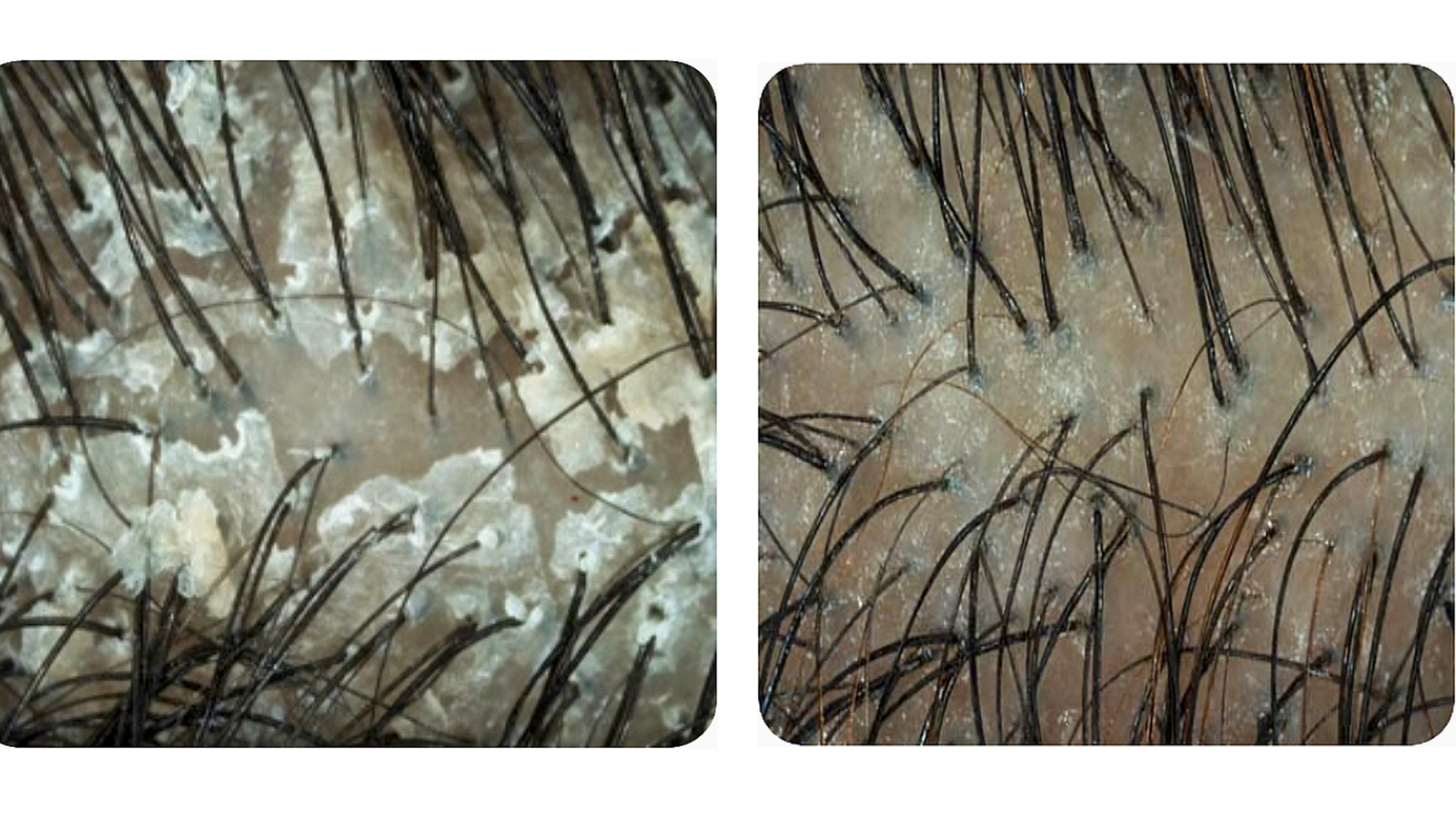
The hair and scalp care active helps fight against dandruff which is characterised by an unattractive look and unpleasant sensory feelings and reduces itchiness, dryness and hyperseborrhea to provide beauty and comfort to both oily scalps and dry scalps. A hair treatment with a shampoo and a leave-on respectively at 2% and 3% of this extract applied at least three times per week against placebo panel, resulted in up to 93% volunteers out of 30 with less or no more dandruff (figure 2).
For the feel-good factor
A 100% naturally derived copolymer of sebacic acid and hydrogenated castor oil and a multibeneficial ingredient is a third example of ‘must have’ hair care ingredients in terms of good feel3. Its chemical structure contributes to its adhesion, substantivity, and film-forming properties on hair fibres. It has a high refractive index, which is an indicator of its shine potential.
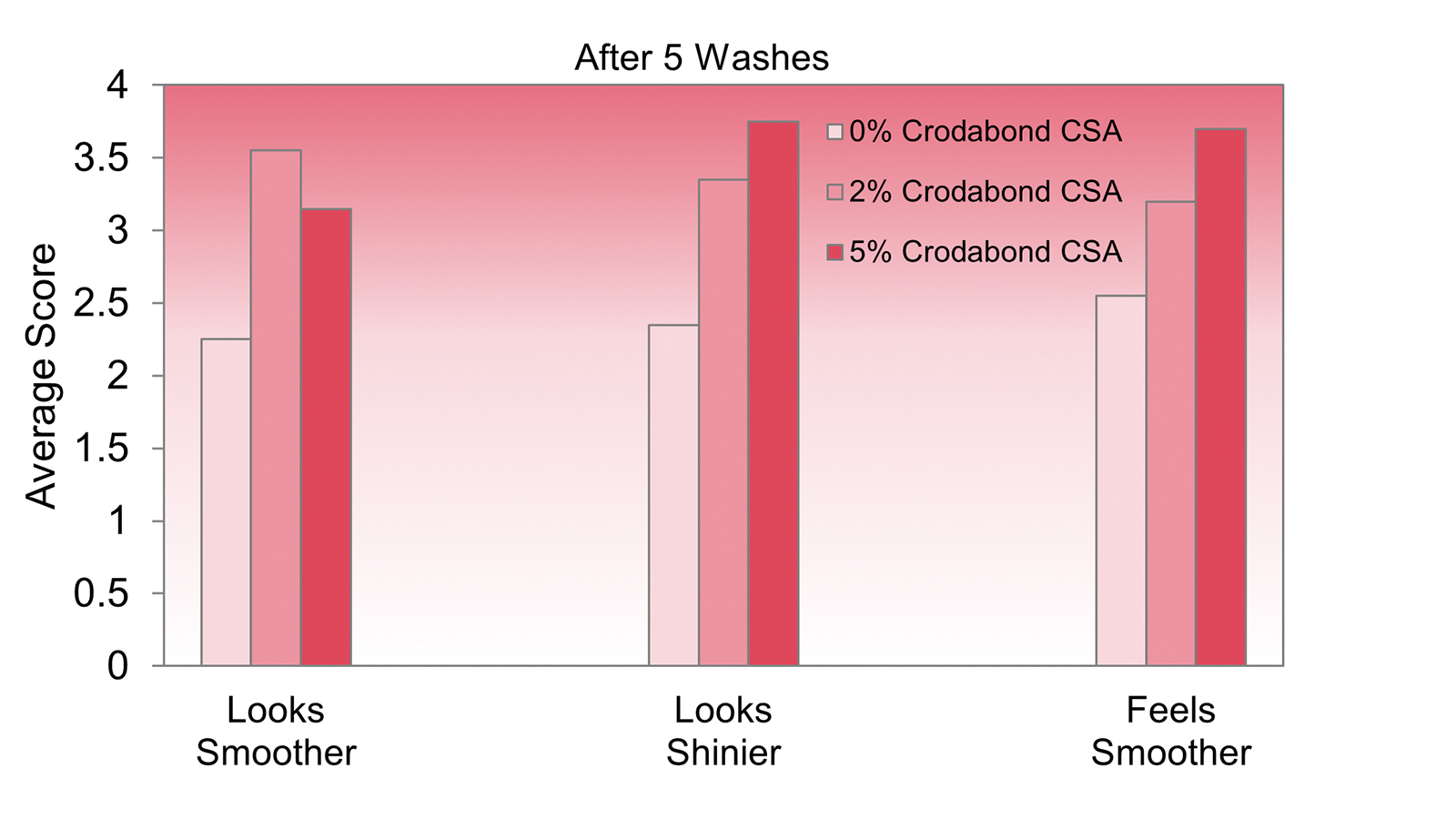
Damaging styling practices and hair treatments cause cuticles to lift from the hair surface. The main function of this copolymer is to lock down these lifted cuticles to keep them sealed on the hair surface throughout multiple shampoo washings, providing consumer-perceivable, longlasting conditioning features to help prevent future hair damage. It also mends split ends, even when used in rinse-off applications. The repair action of this hair active results in hair that feels shinier and looks and feels smoother, as was shown from a consumer perception study (figure 3). So, this is a real ‘feel good’ ingredient for shampoos and conditioners, whether leave-on or rinse-off.
Inspiring sustainable formulation
As mentioned, sustainable formulation formats such as bars are in trend. An example for an environmentally friendly, innovative, and inspiring frame formulation is a waterfree formulation with only a few ingredients in the form of a bar for which a biodegradable packaging like a cardboard box can be used. It contains the previously introduced scalp active by Sederma and the detergency in the formulation is provided by a Crodarom extract blend, which is a combination of three plant extracts which show active synergy4. These plants are rich in saponins, a family of surfactants naturally present in plants which help create stable foams with gentle cleansing properties. A true hair, scalp, and environmentally friendly formulation.
Conclusion
This selection of products and one of several formulations can be an inspiration for hair care developments that are intended to make us feel good. In addition to a contribution to our personal well-being, the examples make us feel good by means of their sustainability credentials.□Q
References:
1 KeraMatch V, INCI: Aqua (and) Hydrolyzed Pea Protein (and) Hydrolyzed Vegetable Protein
2 Apiscalp, INCI: Caprylic/Capric Triglyceride (and) Apium Graveolens (Celery) Seed Extract
3 Crodabond CSA, INCI: Hydrogenated Castor Oil/Sebacic Acid Copolymer
4 Phytofoam, INCI: Water, Acacia Concinna Fruit Extract, Balanites Aegyptiaca Fruit Extract, Gypsophila Paniculata Root Extract

Dr Elisabeth Streefland,
Marketing Manager,
Croda,
Nettetal, Germany,
www.croda.com