The environment most definitely causes skin sensitivities due to the face constantly being exposed to heat, cold, dry air, and direct rays from the sun. Let’s discuss the face, since most of us are reading this because of it. Skin that is feeling red, uncomfortable, and dehydrated is compromised and needs help. It’s most likely due to the environment we are in. Recent studies have shown that environmental factors, such as the air one breathes, can make the skin more sensitive. This is different from genetic sensitivity or being born with sensitive skin.
What exactly is meant by the environment?
Outdoor elements like pollution, humidity, and sudden changes in temperature. For example, going from the cold, dry winds outside to the dry heat indoors (like when the heat is turned on) can have an impact on skin. This environment can not be controlled because it’s the weatherrelated environment and it causes someone to need to warm up or cool down to be comfortable. An environment one has control over is a “controlled environment.” Specific surroundings can be controlled and then there’s the “internal environment” like an illness that forces someone to take action. When the skin becomes sensitised, its protective outer layer becomes compromised, allowing irritants, microbes, and allergens to penetrate and cause reactions like redness and allergies. Air pollution particles are present not only in big cities but also in the countryside and even in homes (heat and air conditioning). These tiny particles are small enough to enter the skin and can accelerate skin sensitivity and irritation, leaving it dry and irritating but promoting premature ageing. Heat can also lead to skin sensitivities, such as heat rash, which occurs when sweat ducts become blocked. The trapped moisture under the skin can result in a rash consisting of blisters or bumps. This is all due to the “weather environment”.
A skinteresting reaction
Another type of environment is “controlled environment” and controlled by the person themselves. When someone chooses to smoke, tan, and consume alcohol, this also impacts whether the skin, is compromised too. Smoking is pollution that settles directly into the pores and wreaks havoc on the acid mantle and suffocates skin depriving it of oxygen, giving skin an unhealthy appearance and ages it fast, given it’s a carcinogen. Tanning beds (a carcinogen) depletes the user of their acid mantle, prematurely age ing them and accelerates cells that cause cancer. Alcohol ages the comnsumer by dehydrating the skin and all the organs from the inside which also does all of what was just mentioned.
This is an environment one has control over. All of this can improve when they cancel out the above-mentioned and introduce whole healthy foods and vitamins into their controlled environment. Usually, a doctor is not needed for sensitive skin-relief when these are excluded from your life.
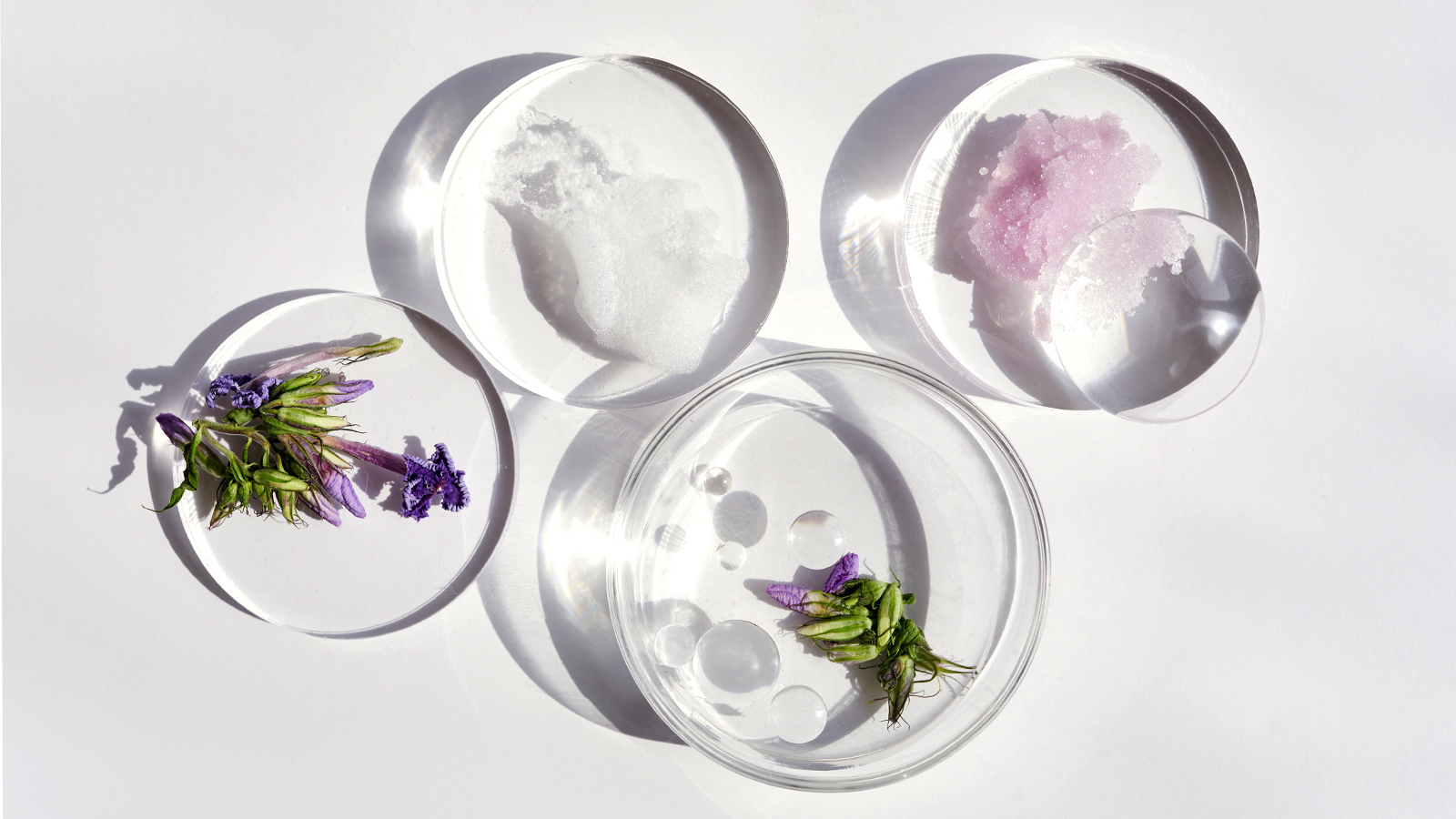
With specific ingredients, cosmetic products not only target the skin, but the mind too, allowing a more holistic approach of beauty.
The benefits of the acid mantle
When the skin is sensitive/compromised, it loses some of its natural protection which is called, “acid mantle.” This is liquid gold, and is very much needed. Acid mantle is a beautiful mixture, naturally made by the skin. The acid mantle is a thin, delicate film that covers the entire surface of human skin. It acts as a protective barrier against pathogens.
The skin’s surface pH is typically between 4.5 and 6.5, with an average assumption of 5.0 to 6.0, while the viable epidermis below has a neutral pH of around 7.0. Maintaining this slightly acidic pH is crucial for skin health. These numbers are important! Skin absolutely loves products that are acidic, like skin. The skin then reacts in a positive way giving irritated skin relief as well as being softer, and more glowing! Products made to mimic the skin’s acid mantle are crucial for this. The skin drinks it up and functions better.
Carrier oils are essential for products that penetrate the skin. Think of ingredients like aloe vera, jojoba oil, and rosehip to name a few that mix well and penetrate beautifully as carrier oils aiding other active ingredients. Experience shows that developing products with natural carrier oils that smell beautifully like lavender or Peru balsam oil for a full Neurocosmetics result are superior.
Sensitive skin caused by uncontrollable circumstances
Allergies to ingredients in cosmtic products can also cause sensitivity. This can lead to redness, swelling, itching, or even blisters on the skin. Fragrances and preservatives and natural ingredients are among the main culprits responsible for such allergies. If such an allergy is suspected, clinical tests and a doctor’s advice is needed. By eliminating what one is allergic to will most likely stop the skin irritation too. Not controllable circumstances also compromise the skin to make it sensitive. These are autoimmune disorders, necessary medications, surgeries or treatment like chemotherapy.
Interestingly Makeup Artists and Nutritional Certified Estheticians along with other professionals, see so many skin types with skin conditions due to autoimmune disorders like rosacea (almost classified as an autoimmune disorder in the states) or lupus, etc. These make the skin talk. It’s crucial to use carrier oils (mentioned above) with other ingredients like dandelion (for digestion) Vitamin B5, C & E and zinc aiding in inflammation while soothing. Add in some retinol for anti-ageing and these penetrate deeper, additionally there are less side effects than without retinol because of the buffers carrier oils and vitamins provide to the skin.
Benefits of neurocosmetics
Because in the body everything is connected, a more holistic approach is to be taken in consideration: skincare based on Neurocosmetics (derived from neuroscience). It’s necessary to realise that the skin digests what is put on it. Skinteresting fact: the brain and skin actually have the same embryonic origin. The skin is an extension of the brain, being formed at the same time (at 21 days) as the embryo! Neurocosmetics products have an instant reaction in the brain when placed on the skin due to the purposeful texture and smell for the skin to react off the brain. The specific ingredients trigger a wonderful feeling giving excitement and relaxation. This happens instantly and puts the consumer in a better state to take care of the skin thus having the skin react better. This is important for people with sensitive skin because most dread using yet another failed solution. Neurocosmetics-based products give relief while emotionally giving a good feeling. Over the years, clients have expressed that they cannot wait to use their skincare and that it’s become essential care for them because of this positive soulful reaction. As seen, skin relaxes resulting in better functioning skin. Now, this is called, a skin-brain changing purpose. Imagine wearing a dreamy face mask or massaging in a moisturiser that penetrates well but also smells so good it triggers wonderful memories of Mum’s sugar cookies or grandmas’ cupcakes? Neurocosmetics is skin care that takes the calming effect to a higher, soul-soothing level. The upper layers of the skin contain sensory receptors called Merkel cells that recognise touch and temperature and these like to talk to the brain. More treatments should be focused on the brain-skin connection and looking into how simple sensory stimulation can improve the overall well-being. When a product hugs the skin like a fluffy creamy mask, it feels good but partner it with cocoa butter and wintergreen – and it gives this skincare experience even more purpose. A much more meaningful use so people want to use it so much more.
Understanding the “why” will guide the consumer in finding the right solutions for their relief. The level of relief one experiences depends on how well one cares for their environment through the products they choose to use.
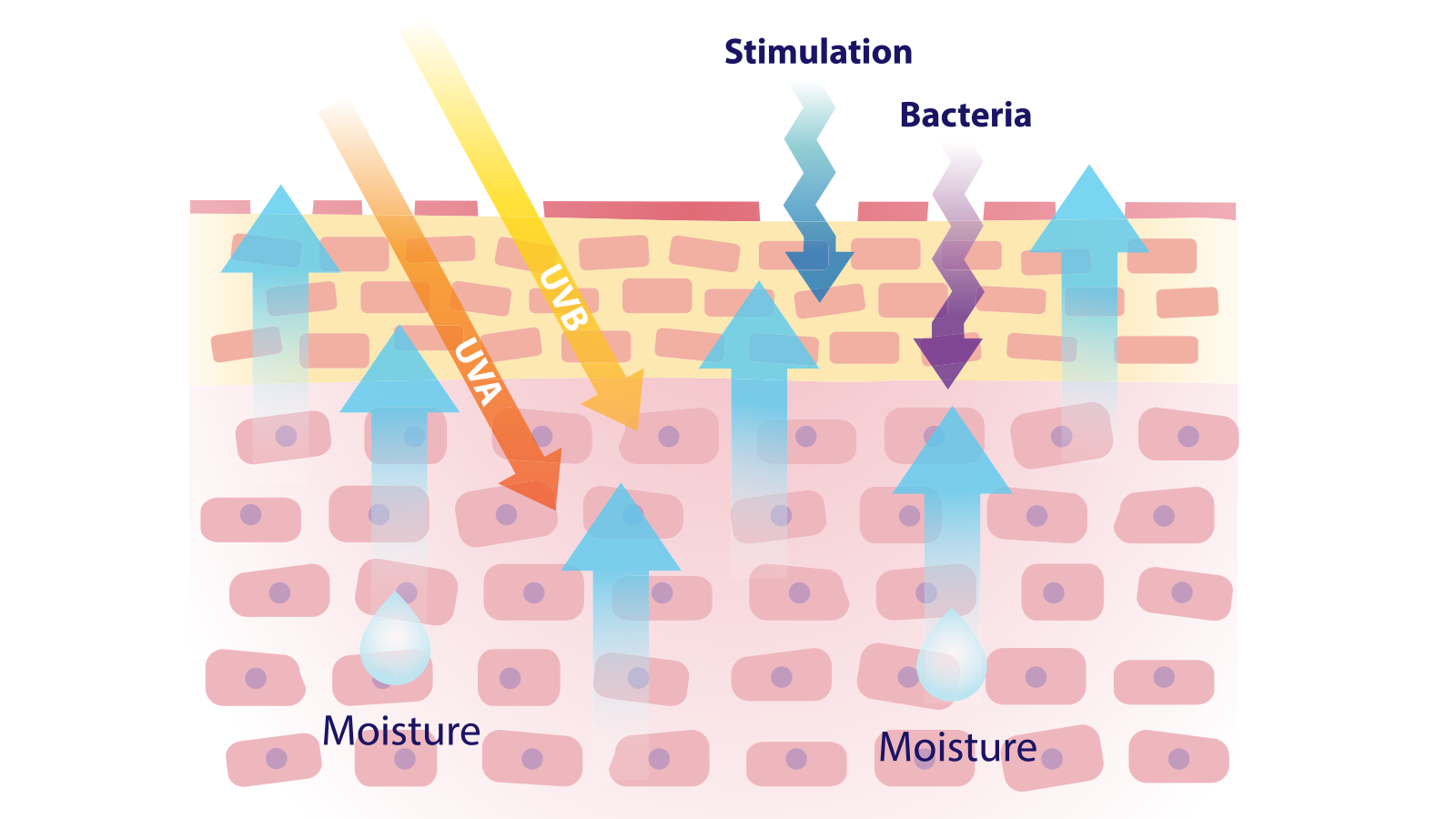
The results of a damaged skin barrier.

Genelle Holub
MUA, LCE, NCE, Founder of Face It Skin, Happy Valley Oregon, US, www.faceitskin.net