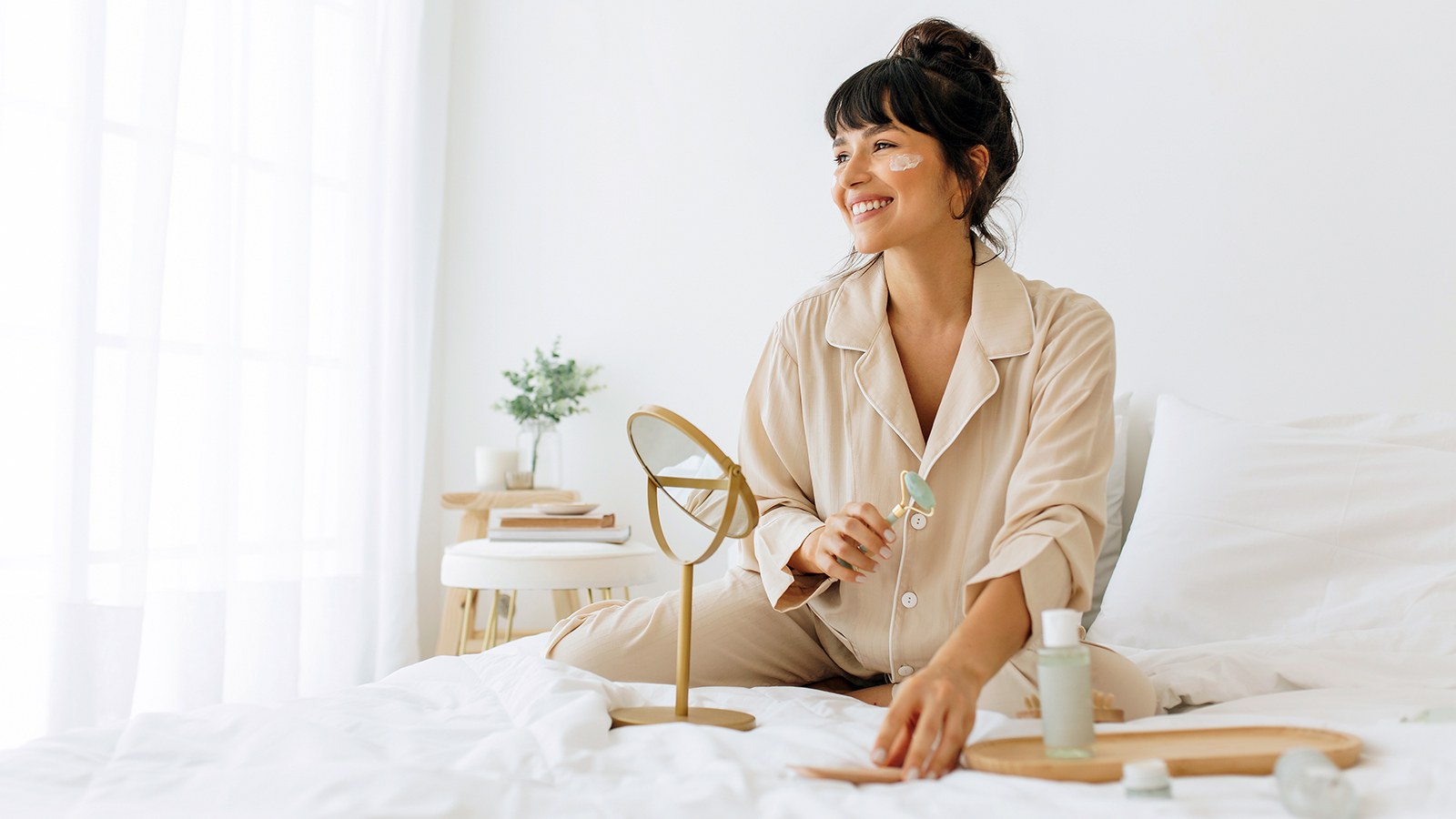
Brands are evolving products in line with consumer expectations regarding wellness – not only embracing imperfections but placing significant value on age-appropriate and gender-fluid skincare. Ine Mattheé from Oleon Health and Beauty talks about how wellness becomes a more important part of beauty.
The term ‘wellness’ is sizzling hot right now, and style forecasters predict that it will be a defining trend to shape consumer behavior and attitudes well into the future.1 But what does this mean for the beauty and personal care industry? The COVID-19 pandemic was a tipping point that saw many consumers becoming more interested in wellness and investing in self-care. Two main factors impacted these goals: immunity building with a rapid rise in the use of gut health and immune-boosting supplements and the ‘maskification’ trend. This saw beauty brands targeting skin challenges associated with wearing masks, such as acne, and rough and irritated skin.2 With the crossover between wellness, health, and beauty a firm reality, the industry is responding by developing products that reflect their customers’ values, priorities, and preferences, which are continually guided by changing lifestyle patterns and consumption choices. To become part of this conversation, and part of the wellness product market’s expected 11.4% growth, the beauty and personal care industry must be proactive and develop strategies to help it stay one step ahead.3
Evolving wellness
Our skin is intricately linked to our physiology, helping us to regulate our body temperature, keeping us safe from pathogens and bacteria, and with a bit of preparation, protecting us from the sun. It is no wonder that when our skin feels nourished and protected, our physical and mental well-being is enhanced. Mintel4 indicates that nearly three in five adults agree having good skin makes them feel good about themselves, while stats show that using a new skin, hair, body product or fragrance can lift our mood. As the beauty, wellness, and nutrition industries merge, retailers and brands will start recognizing and acting on opportunities in what Him and Hers CEO Andre Dudum called, ‘a single point of entry into a beautiful healthcare world’5. With the quest for physical and emotional equilibrium, a key motivator for consumer behavior, Mintel further expects that the industry will embrace a holistic and multifaceted approach to achieving physical and emotional balance. This is a great motivator in future consumer behaviors with the beauty industry playing a significant part in the wellness revolution. This holistic view of whole-body wellness is echoed in the body positivity movement that is now morphing into a new movement: body neutrality. This drive aims at neutralizing the impact of appearance on a person’s lifestyle and instead focuses on overall health and well-being by detaching confidence and self-acceptance from the outer appearance – a significant motivator for consumers across all age groups6.
Wellness drivers
As wellness ideals move from niche into mainstream, it has expanded the concept of wellness and how brand owners and manufacturers approach new product development that will support customers in their overall wellness journey.7 Here it is critical to understand some of the new definitions that are driving growth and transforming how the industry thinks about wellness. According to Euromonitor’s Voice of the Consumer: Health and Nutrition Survey8 consumers are focused on staying hydrated, getting enough exercise to benefit physical strength, mental health, and emotional well-being, eating a balanced diet for full body nutrition, and getting enough sleep. With strong expectations of trust and authenticity, consumers are quickly frustrated by surprises or deviations. Companies must continuously up the ante, relentlessly pursuing greater transparency and promoting their values and credentials in critical areas such as labor conditions and sustainability if they are to stay relevant.9
Self-care in the wellness journey
Emotional and mental well-being is a critical factor in stress reduction, increased resilience, improved productivity, and overall health and wellness.10 But it can be difficult to balance these different aspects that contribute to wellness. This makes self-care through certain beauty routines a critical factor in reducing stress and anxiety, easing depression, and boosting self-esteem.11Moving forward brands must stay on top of how wellness can influence customer attitudes toward health and beauty as this will lay the foundation for finding new opportunities, driving innovation by adopting proactive product development strategies, and ultimately enabling companies to stay ahead of competitors in the market.
References:
1,3,5 Health and Beauty In Sync: Wellness as a key Value Driver in Beauty (cosmoprof.com)
2 What does wellness mean for beauty?, Retail Dive
4 Hims & Hers Health, Inc. (HIMS) CEO Andrew Dudum on Q3 2021 Results – Earnings Call Transcript, Seeking Alpha What does wellness mean for beauty?, Retail Dive
6 Wellness trends impacting the beauty industry, Mintel
7 Health and Beauty In Sync: Wellness as a key Value Driver in Beauty (cosmoprof.com)
8,9 Euromonitor
10 The Importance of Self-Care: Strategies for Prioritizing Your Well-Being, LinkedIn
11 The Importance of Self-Care In Beauty School, Aveda Institutes (avedainspiregreatness.com)

Ine Matthé
Product Manager, Oleon Health and Beauty, Ertvelde, Belgium,
www.oleonhealthandbeauty.com