Make-up is more than color, coverage and finish–it can influence how people perceive themselves and how they feel. Neuroscience is helping to uncover the mechanisms behind this connection, from sensory experiences such as texture, fragrance and color to the emotional and cognitive responses triggered by applying make-up.
Beauty has always been more than appearance. It is a feeling – an energy sensed before it is seen. For decades, cosmetics has understood intuitively that color, texture, fragrance and the ritual of application can influence how we feel. Today, neuroscience is helping us understand why. Creating a territory where make-up, sensory science and the skin-brain connection meet.
The emerging of neurocosmetics
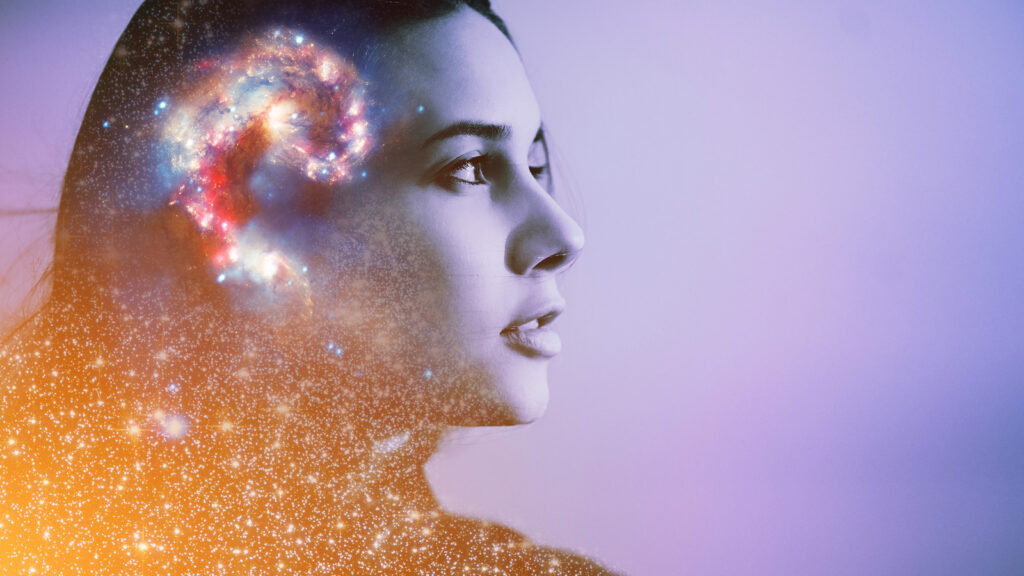
Skin is not a passive canvas. It is an innervated sensory organ, continuously exchanging signals with the nervous, immune and endocrine systems. The skin-brain axis is an important field of scientific investigation, and neurocosmetics is emerging at the intersection of dermatology, neuroscience. The dialogue is bidirectional: the brain influences skin responses, while signals originating in the skin contribute to sensory experience.
This matters because consumers increasingly expect beauty to do more than improve appearance. According to Euromonitor International’s 2025 Voice of the Consumer: Beauty Survey, 75% of consumers globally agree that a consistent beauty routine contributes to wellbeing and confidence. Skinobs, citing Innova Market Insights’ 2025 survey, reports that 62% consider skincare part of their mental balance, while 30% spent more on products intended to improve their mood. Beauty is increasingly understood as self-care, not simply correction or decoration.
New ways for make-up
For make-up, this opens an especially interesting dimension. Make-up changes what we see, but also involves touch, movement, color, scent, ritual and self-perception. Applying a lipstick, blending a complexion product or feeling a silky texture can become a small daily act of transformation. The consumer experiences the formula through their senses and through the meaning attached to the ritual.
This is the thinking behind the concept of Gotha. The brand wanted to explore how a make-up collection could be designed around a more holistic definition of performance – one that considers not only the visible result, but also the sensory and emotional experience surrounding it.
Texture is where our journey begins.
Texture is not a secondary attribute. It is one of the first signals received during application and can influence expectations, pleasure and the perception of quality. For “Neuroaura”, we developed refined, silky and expressive textures that make application an intentional sensory moment. The objective is not to claim that a texture “controls” an emotion, but to create positive sensory associations and make the ritual more rewarding.
Make-up with intention
Today’s consumers are more informed and interested in products that fit naturally into their lives while delivering credible benefits. A smart beauty product should be emotionally relevant, technically strong, skin-respecting and effortless to wear.
Performance
It’s crucial to translate this philosophy into measurable cosmetic results. Neurocosmetics should never become an excuse to compromise on efficacy. Long-lasting color, adhesion, comfort, coverage, hydration and skin compatibility remain essential. Emotional experience is an additional dimension of performance, not a substitute for it.
Power of actives
“Neuroaura”’s formulations focus on the role of active ingredients in combining color cosmetics with skin care. Ingredient selection is guided by scientific research, with particular attention to efficacy and cellular biocompatibility.

photo: Natali Ximich/Shutterstock.com
Neurocosmetics explores ingredients that interact with neurobiological pathways involved in the communication between skin and nervous system, opening up new approaches to sensory perception, skin homeostasis and stress-related responses.
Mechanism of neurocosmetics
The field of neurocosmetics includes mechanisms involving sensory receptors, neuropeptides and other mediators in communication between skin and nervous system. But the industry must distinguish between a plausible mechanism, an ingredient-level effect and a substantiated finished-product claim.
This distinction will define the credibility of neurocosmetics. As Skinobs recently highlighted, evaluating emotional benefits requires more than asking consumers whether they “feel good”. Emotion has behavioral, physiological and subjective components, and robust evaluation can combine consumer perception with appropriate physiological or instrumental measurements. The challenge is not to make cosmetics sound more medical; it is to build evidence connecting a defined formulation and sensory experience with a measurable consumer benefit.
This also means becoming more disciplined in the language we use. “Mood”, “wellbeing”, “stress relief” and “neuroscience” cannot be interchangeable. A credible neurocosmetic claim needs a clear rationale, defined benefit, appropriate protocol and evidence generated on the product being communicated. The future belongs to brands able to translate complex science into simple experiences without oversimplifying the science.
Beauty shapes identity
Beauty is deeply connected to identity. Make-up can help consumers express who they are, how they want to be perceived and, sometimes, how they want to feel. Confidence is not an ingredient inside a compact, but the ritual of getting ready can contribute to a person’s perception of self. The value of make-up lies partly in the relationship between product, face and wearer.
Now, the next chapter of make-up innovation might not begin with the idea that a lipstick can magically change the brain, but with the understanding that every cosmetic experience is multisensory, contextual. Neuroscience gives us new questions: How does texture influence perception? How does fragrance interact with memory and expectation? How can application become more pleasurable? And, crucially, how can we measure what we claim?
True beauty is not simply something we apply. It is something we experience. And when neuroscience meets make-up, the opportunity is to make that experience more intelligent, more measurable and, ultimately, more meaningful.

Ilaria Prencipe
Chief Marketing Officer,
Gotha Cosmetics, Bergamo, Italy,
www.gothacosmetics.com