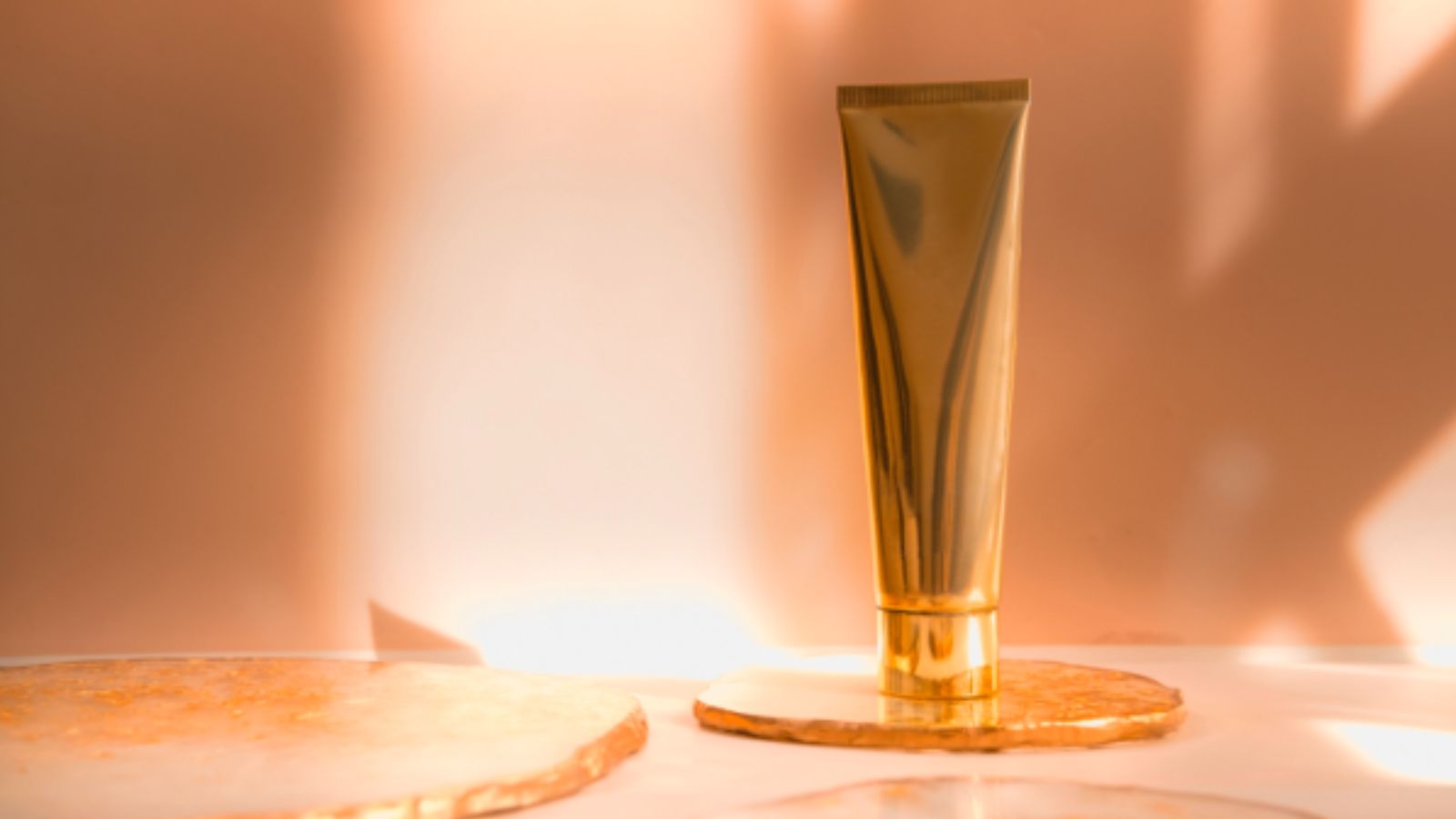
Luxury packaging has always been about storytelling. The gleam of a gold-accented cap, the satisfying weight of a glass jar, or the whisper of silk ribbon around a perfume bottle – each element carefully designed to seduce the senses.
Opulence was often equated with excess in thepast, but as consumer priorities evolve, particularly around sustainability, this view is changing rapidly. In the world of premium skincare and beauty packaging, luxury is no longer just about how a product looks or feels, but its broader impact on the environment, with sustainable packaging setting a new set of values for consumers and brands.
Gilded past to green present
Historically, luxury packaging mirrored the aspirations and aesthetics of its time. In the early 20th century, beauty houses like Guerlain and Chanel used ornate, hand-blown glass bottles and elaborate boxes, crafted to reflect status and exclusivity. Packaging was designed to be collectible,decorative, and even theatrical – an extension of haute couture itself. The post-war boom of the 1950s and 1960s saw mass production enter the picture, but luxury brands still held firm to traditional, lavish aesthetics. Glossy finishes, foils, and heavyweight plastics became markers of prestige. During this period, sustainability wasn’t yet part of the conversation as a product’s durability and shelf appeal were paramount. As we fast forward to the 21st century, we see a completely different consumer landscape, driven by a rise in climate awareness and ethical consumerism. For many consumers, the luxury of a zerowaste lifestyle has changed the narrative. Indulgence has evolved, and beautifully designed products that respect the environment are not only desirable but increasingly expected.
Recyclability – a key differentiator?
Today’s ethical consumer is savvy, informed, and vocal. They read ingredient lists, check brand values, and scrutinise packaging. Sustainability, in this context, is about reducing environmental impact across the product’s lifecycle – from sourcing and manufacturing to recyclability and reuse. But in luxury beauty packaging, sustainability is more nuanced. According to a survey by McKinsey, 67% of consumers consider sustainable packaging important, with younger generations leading demand. However, these consumers don’t want to sacrifice elegance for ethics. Instead, they are drawn to brands that prove both can coexist. Recycling remains the most common expression of sustainability for American consumers, many of whom now perceive sustainability not just as an environmental issue, but a public health concern.
Sustainable transformation
In this space, heightened awareness around plastic pollution and microplastics has made materials like glass extremely attractive. The industry is undergoing what many are calling a “glassification” – a marked shift toward glass packaging for its perceived purity, safety, and infinite recyclability. Responding to this shift, Estée Lauder Companies partnered with Strategic Materials, North America’s largest glass recycler on a four-year study to understand how glass decoration, coating, and format affect recyclability, and the results are rapidly reshaping industry best practice. The study found that avoiding metallic coatings and using soda lime glass over borosilicate improves recyclability. The study also noted that a package’s visible light transmittance value (how transparent the glass is) plays a surprisingly significant role in whether glass is properly sorted in single-stream recycling systems. It found that packaging with low light transmittance (less than 5%) is more likely to be missed in the sorting process. These findings are now being adopted internally at Estee Lauder where product developers are trained to incorporate them into design phases from the outset. Brands are even moving toward recyclable cold foil stamping, allowing for a luxurious metallic finish without compromising circularity. As eco-conscious beauty shoppers demand cleaner, more recyclable options, innovations like these underscore an important truth: sustainability doesn’t have to come at the expense of design. When sustainability is embedded early in the creative process, it elevates both form and function. That kind of intelligent design, backed by data, ethics, and aesthetics, is becoming the new hallmark of luxury. In a crowded luxury market, sustainability is a powerful differentiator. It offers a tangible way for brands to connect with consumers beyond the product itself. It signals transparency, responsibility, and innovation – traits that today’s buyers value deeply. Luxury skincare and beauty brands that embrace sustainable packaging are not just aligning with trends – they’re future-proofing their image. Consumers are willing to pay a premium for brands that reflect their values. As a result, packaging can be harnessed as a strategic communication tool. When a brand opts for compostable cartons, refillable containers, or biodegradable inks, it’s sending a clear message. It’s saying, “We care.” And in luxury, that kind of care- meticulously considered andbeautifully executed – can be just as seductive as gold embossing.
Where form meets function
A crucial part of sustainable packaging is the design itself. Modular designs, mono-material packaging that are easier to recycle, and minimalist aesthetics are all on the rise. Brands are simplifying structures, reducing layers, and using smart engineering to create packaging that is both visually stunning and functionally sound Take The Body Shop’s refill stations. Sleek, branded aluminium bottles with bold graphic appeal or Dior’s refillable lipstick cases, which feel just as indulgent as the originals. These examples show that sustainable packaging can amplify a brand’s DNA rather than dilute it. Designers are also rethinking luxury through the lens of material storytelling. Packaging that highlights its origin, like FSC-certified wood caps, hand-pressed flower seed paper, or recycled oceanplastic, adds authenticity and texture to the consumer experience.
A new age of luxury materials
Sustainability doesn’t have to come at the cost of luxury and elegance. The packaging industry has come a far way in the development of new products and designs meaning that brands no longer have to compromise on aesthetics to be eco-conscious. Here are a few stand-out examples:
- Glass: Timeless, tactile, and infinitely recyclable, glass remains a top-tier choice for luxury skincare packaging. Brands like La Mer and Aesop use minimalist glass containers to project purity and sophistication while minimising plastic use.
- Aluminium: Lightweight, corrosion-resistant, and endlessly recyclable, aluminium is gaining traction in premium packaging. Lush and REN Clean Skincare have adopted it for everything from cleansers to moisturisers, combining sleek modernity with practicality.
- Bio-resins and plant-based plastics: Materials like Sulapac, a biodegradable resin made from wood and natural binders, are redefining what luxury looks like. Used by brands like Chanel, these materials mimic the sensory appeal of traditional plastics, without the environmental cost.
- Refillable systems: Refillable packaging is one of the most impactful trends. Brands such as make up brand Kjaer Weis and skincare leaders Tata Harper offer elegant containers designed to be kept and refilled. This not only reduces waste but deepens customer engagement, turning a product into a long-term relationship.
- Paper and pulp innovations: High-end moulded pulp – think soft, velvet-touch finishes and custom embossing – has replaced traditional plastic inserts in many gift boxes. Hermès and L’Occitane have embraced this understated elegance, proving that paper can be both luxurious and planet friendly. A good example of a wood pulp-based material with the properties of plastic is “Paptic” – which offers the long-lasting reusable qualities of plastic, while being fully biodegradable and recyclable, much like paper.
- Organic materials: A range of natural, organic materials that bring a positive sensory benefit of the outdoors to the consumer. Here Organoid is a range of natural, organic materials that bring the positive sensory benefits of the outdoors to the consumer.
The role of resilient supply chains
Beautiful and sustainable packaging is only as good as the supply chain that delivers it. In today’s global landscape, marked by tariff uncertainties, geopolitical shifts and rising logistic costs reliable, agile supply chains are becoming just as critical as the material themselves. For luxury beauty brands, where launches are tightly scheduled and seasonal campaigns like Christmas require flawless execution, any disruption can have high stakes consequences. Some companies are stepping up to this challenge by building robust, multi-region supply networks that blend craftsmanship with consistency. By combining local and international manufacturing hubs, and maintaining transparent, collaborative relationship with their clients, they ensure that packaging arrives on time, in full and to the highest standards – even during peak periods. This kind of operational excellence isn’t just a backend detail – it is a cornerstone of the luxury promise. After all, in a market where perception is everything, there is no room for delays or compromise.
A new era of conscious luxury
As the line between luxury and sustainability continues to blur, the beauty and skincare industries find themselves at a fascinating crossroads. The most successful brands will be those that understand this intersection not as a challenge but as a creative catalyst. Luxury packaging is no longer about what’s outside the jar or bottle. It’s about the values it reflects, the emotions it evokes, and the legacy it leaves behind. When sustainability is woven seamlessly into the luxury experience, it doesn’t diminish the magic–it amplifies it.

Emma Czirok
Operations Director, Think B2B Marketing, Wakefield, United Kingdom, www.thinkb2bmarketing.com