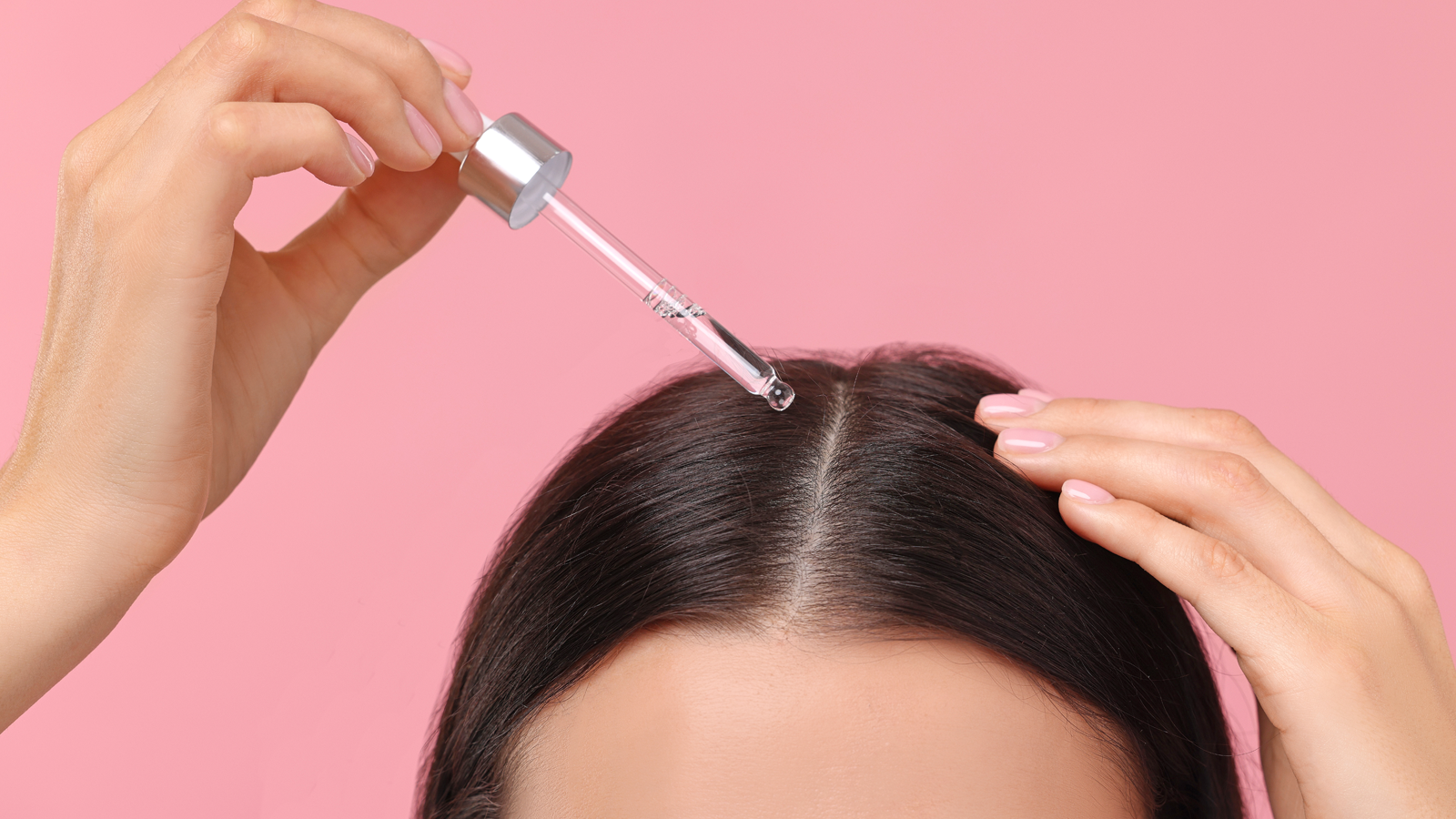
Hair and scalp products are increasingly presented through the number and novelty of their active ingredients. For formulators, however, the more relevant question is whether those materials perform distinct and compatible functions in a product that can be used consistently. The evidence must then support the finished formula and the specific claims made for it.
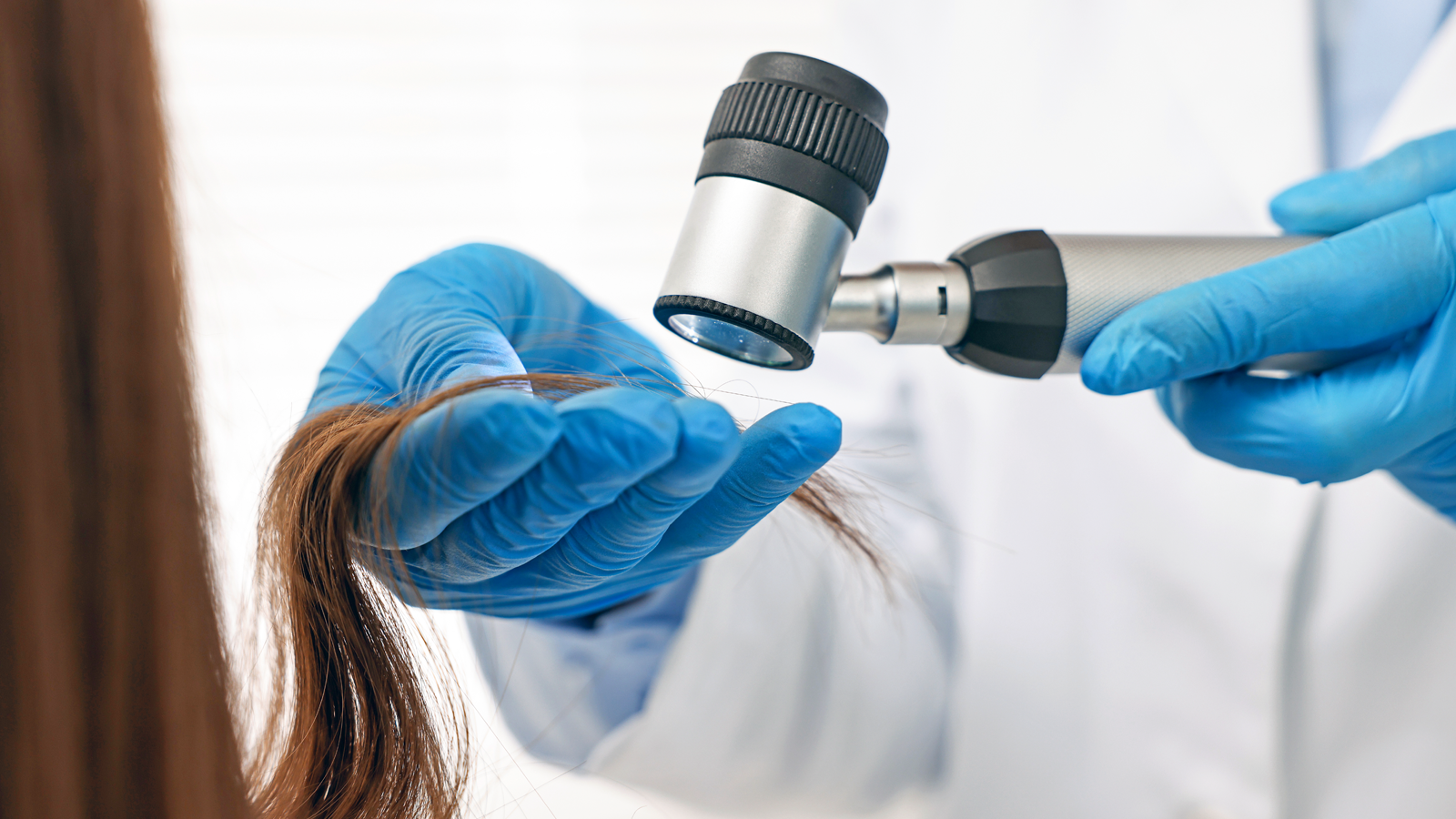
The concept of hair longevity offers a broader framework than the familiar focus on “growth”. In cosmetic development, this means considering not only the visible amount of hair, but also fiber diameter, shedding, breakage, scalp condition and the effects of aging and grooming. Individual biology adds further variability. The first step is to translate the intended cosmetic benefit into functions that can be formulated and tested. Each functional material should have a defined role, an appropriate use level and evidence relevant to that role. Multifactorial product design does not require every available active to be included.
From Ingredient Stacking to Functional Architecture
Some multi-active formulas appear to have been assembled primarily around ingredient recognition. A more useful starting point is the intended outcome: which functions are required, where do they overlap, and what does each material add to the complete formula?
An ingredient map can make these decisions more disciplined. Alongside the proposed function and use level, it should record the limits of the evidence and any constraints related to pH, solubility, stability or preservation. It should also expose unnecessary duplication. If two materials are included for essentially the same reason, the developer should be able to explain why both are needed.
The relevant questions also differ by material. A peptide may have a well-defined rationale but still require close attention to use level and vehicle conditions. A botanical extract introduces other variables, including standardization, color, odor and batch consistency. Fermentation-derived or cultured-cell materials may offer controlled production routes, although this says little by itself about their behavior in the finished product.
The value of combining these families lies in the functions they contribute, rather than in the number of technologies named in the ingredient story. A combination may be justified when its components address distinct aspects such as scalp conditioning, antioxidant support and fiber protection. Ultimately, the formula must work as a stable and tolerable system at the dose delivered during normal use.
Biotechnology Expands the Toolbox, Not the Evidence
Biotechnology-derived materials include signal peptides, fermentation metabolites, cultured plant-cell materials and glycoproteins. These categories describe how a material is designed or produced; they do not predict its performance in a particular formula.
Evaluation must return to the material itself: its composition, use level, stability, vehicle conditions and supporting evidence. The biotechnology label alone cannot establish greater efficacy, tolerability or sustainability.
The Vehicle Is Part of Performance
The vehicle determines whether the proposed functional architecture becomes a usable product. The developer must consider whether the materials remain soluble and stable at the selected pH, whether preservation remains effective and whether the packaging protects the formula throughout storage and use. The dose delivered per application is equally important.
For scalp products, the formulation must reach the intended area, distribute consistently and avoid unacceptable residue. Stickiness, buildup, slow drying or discomfort can reduce regular use. Daily-use suitability should therefore be assessed at the intended dose and frequency.
Cosmetic Support Is Not Treatment
Regulation (EC) No 1223/2009 defines cosmetic products by their intended application and purpose, including changing the appearance of, protecting or keeping the hair system and skin in good condition. Directive 2001/83/EC distinguishes medicinal products both by presentation, including claims to treat or prevent disease, and by function, where pharmacological, immunological or metabolic action restores, corrects or modifies physiological functions. Borderline cases are assessed at national level. Pattern hair loss, alopecia areata, scarring alopecia and inflammatory scalp disease require medical assessment. References to growth phases, follicular pathways or hormonal mechanisms can move a cosmetic message toward an implied therapeutic effect.
Mechanistic statements therefore require careful substantiation and context. They should not imply treatment of alopecia or modification of a pathological process. Consumer-facing claims must remain consistent with the cosmetic purpose and the evidence
From Ingredient Data to Finished-Product Evidence
Ingredient studies can help screen materials and establish a rationale for inclusion. They do not automatically substantiate a finished-product claim. A supplier study may use another concentration, vehicle, protocol, population or endpoint, while interactions within the formula may alter availability, stability or tolerability. The practical question is not simply whether an ingredient has data, but whether those data remain relevant after it has been incorporated into a different vehicle, at a particular concentration, and used by the intended population. European cosmetic-claims guidance makes this distinction explicit. Properties attributed to an ingredient should not imply that the finished product has the same properties without adequate and verifiable support. Evidence should be relevant to both the product and the claimed benefit, and the methodology should be valid, reliable and reproducible [1, 2].
The evidence plan should be developed alongside the formula and claim language. Study duration, population, comparator, sample size, baseline conditions and statistical analysis should reflect the question being investigated. Otherwise, a study may produce interesting results that cannot support the wording intended for the market.
Matching the Claim to the Endpoint
Different claims require different methods. “Fuller-looking hair” may be evaluated through standardized photography, expert grading and consumer assessment. “Increased hair density” requires repeated measurement of hair numbers within a defined area, while “increased hair thickness” requires fiber-diameter measurement or a validated proxy. Reduced visible shedding calls for a standardized method and controlled washing and grooming conditions. Scalp-comfort claims may combine validated questionnaires with expert grading or relevant biophysical measurements.
Each method answers a different question. Consumer assessment can document perceived benefit, but it does not demonstrate a measured change in density. Conversely, an instrumental change does not necessarily establish that the difference is visible or meaningful to the user.
Hair measurements require rigorous standardization. Estimates can differ according to the method, while density and diameter vary by scalp site [3, 4]. Follow-up assessments should return to the same area under consistent imaging and hair-preparation conditions. Automated outputs still require quality control. Shedding assessments likewise need a predefined procedure; the 60-second hair count, for example, was validated under specific conditions [5].The endpoint should be selected before the study begins. The eventual claim should remain within the result that the chosen method has demonstrated.
A Coherent Evidence Chain
A strong multi-target scalp product follows a continuous sequence: the cosmetic concern is defined, the required functions are identified, suitable materials are selected, and their compatibility is established within a vehicle designed for realistic daily use. Testing then evaluates the finished product against the intended claims.
Biotechnology can contribute valuable tools to this process, but the credibility of the result depends on the coherence of the whole product. Each material needs a reason for inclusion, the vehicle must remain stable and acceptable in regular use, and the evidence must answer the questions raised by the claims.
References:
1 European Commission. Commission Regulation (EU) No 655/2013 laying down common criteria for the justification of claims used in relation to cosmetic products. 2013.
2 Sub-Working Group on Claims. Technical document on cosmetic claims. Version of 3 July 2017. Endorsed by the Working Group on Cosmetic Products.
3 Rushton DH, de Brouwer B, de Coster W, van Neste DJ. Comparative evaluation of scalp hair by phototrichogram and unit area trichogram analysis within the same subjects. Acta Derm Venereol. 1993;73(2):150–153. doi:10.2340/0001555573150153.
4 Kim JE, Lee JH, Choi KH, et al. Phototrichogram analysis of normal scalp hair characteristics with aging. Eur J Dermatol. 2013;23(6):849–856. doi:10.1684/ejd.2013.2170.
5 Wasko CA, Mackley CL, Sperling LC, Mauger D, Miller JJ. Standardizing the 60-second hair count. Arch Dermatol. 2008;144(6):759–762. doi:10.1001/archderm.144.6.759.

Alena Weissenbaeck
Founder and Managing Director, Welab Biotech, Vienna, Austria Certified Hair Practitioner (International Association of Trichologists) www.welabbiotech.com