As 2025 approaches, Stephenson expects the beauty industry to continue working on the development of new-generation products that couple functionality and efficacy, with natural and sustainable ingredients while reducing water consumption and packaging. In addition, today’s beauty and personal care products must not only meet the expectations of informed consumers but also satisfy a brand’s requirement for manufacturing speed and efficacy. This is the view of Stephenson’s marketing manager Tim Pulleyn and product manager Charlotte Gronan, as they weigh in on some of their top trends to watch in the year ahead.
Natural and sustainable ingredients that offer multifunctionality will continue to shine and take centre stage in the personal care and beauty industry,” Tim says. “Consumers will continue to look for transparent and ethical ingredients in their finished products.”
The industry can also expect an increase in regulatory focus, further elevating the importance of ingredients that are derived from nature and offer full provenance and traceability.
Multifunctional ingredients
One of the biggest growth opportunities and challenges is the creation of advanced and versatile formulations as consumers continue to slim down their cosmetic routines.
Hero ingredients enable manufacturers to pack more functionality into cosmetic and personal care formulas, bringing a new wave of innovation to expand current offerings.
This new era of less is more, is seeing multi-step cosmetic routines take a back seat to products that can do it all. Here, brands and ingredient suppliers are working together to formulate products that can tackle multiple concerns at once, while still offering great functionality.
“Multifunctional ingredients like those found in Stephenson’s Durosoft range are expected to grow rapidly as they can simplify formulations without sacrificing quality,” Charlotte says. “These products have gained popularity for their ability to serve multiple purposes, but also tie in with the growing clean beauty movement, by enabling brands to optimise formulas while reducing the number of actual ingredients in a formulation.
“This demand for cleaner products will prompt formulators to lean on solutions that offer multiple benefits in one,” Charlotte points out.
Water – a precious commodity
When we talk about sustainability in the personal care and beauty industry, we must talk about the issue of water.
The risk of water shortages is becoming very clear. The beauty and personal care industry is often listed among the top contributors to water use, pollution, and wastewater.1 This has resulted in the sector exploring formulations and new products that require little or no extra water to function effectively.
Traditionally, water has been a key ingredient in products. It is estimated that in 2020, the industry consumed 10.4 million tonnes of water globally, with hair care, bath, and shower categories responsible for over half of the total water used in beauty and personal care formulations.2
As global concerns over water scarcity continue to intensify, it will remain among the top ten environmental priorities for the foreseeable future. And it is of great concern to industry professionals. It is estimated that over 56 % of professionals are reporting that their companies planned to invest in water-related initiatives between 2022 and 2027, while more than 44 % of consumers are aiming to use less water.3
Going waterless offers great opportunities in product development where water is not a key ingredient. “In the APAC region in particular, companies are dedicating their sustainability initiatives towards water conservation and exploring and launching new formulations that will speak to the requirements for more ethically produced products,” Tim says.
There are several impactful benefits to going waterless, but its biggest is arguably the sustainability benefit coupled with ease of use.
While we are seeing facial bars, dry shampoos, non-rinse body washes, and solid moisturisers on the shelf, the industry is rapidly exploring next-generation products that won’t need any water at all to work.
The move towards cosmetics with less/or no water products is also driven by the rationale that water is inactive. Removing water from the formulation provides more room for beneficial ingredients such as botanicals and essential oils.
Waterless cosmetics can also offer a cost reduction benefit by offering more product value. “From a cost association view, waterless formulations are more stable and less prone to microbial growth. This could potentially reduce the amount of trialing required. There is also a reduction in portability costs. These are associated with materials with no water as they are more concentrated and lighter for transportation,” Pulleyn notes. “Here, naturally derived ingredients, including Durosoft, can be used to manufacture waterless cosmetic products, including massage oils, solid lotions, bath melts, and facial cleansing oils.”
Less packaging
According to the British Beauty Council, 95 % of cosmetic packaging is thrown away every year, and 14 % of the packaging goes to recycling plants. Out of this, only 9 % is recycled, and the rest is dumped in landfills. This increases plastic waste and is among the reasons that brands and consumers are looking to limit plastic packaging use in the beauty and personal care industry.
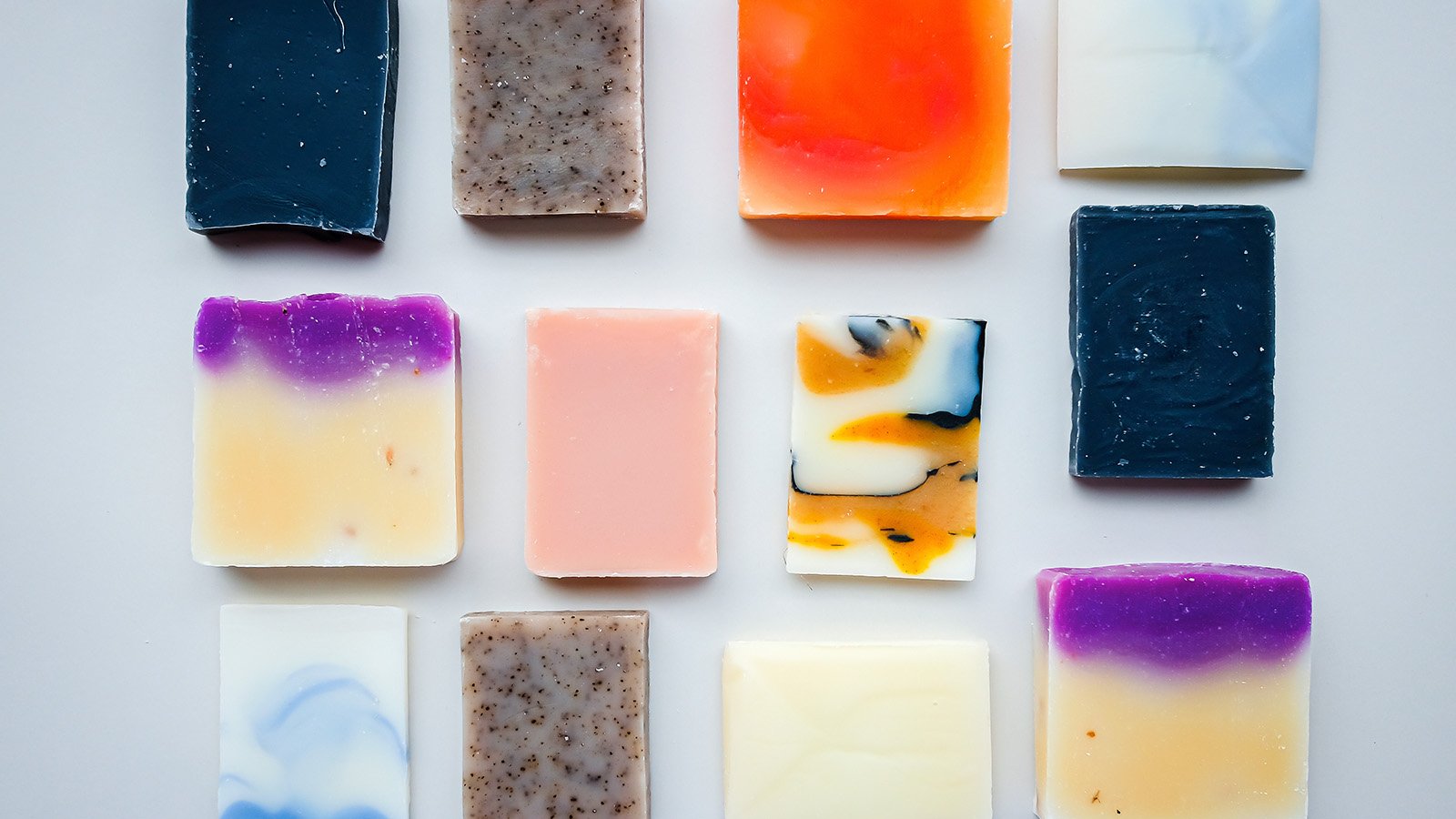
Solid-format personal care products, including shampoos and shower gels, are growing in popularity on the back of growing consumer acceptance of plastic-free alternatives such as soap bars and recyclable pouches.
“At Stephenson, we are passionate about limiting plastic waste. In addition to our established Melt & Pour range, we recently launched “Syndopour 200-MB”, a RSPO-certified syndet melt and pour base. It is ultra-mild and 100 % soap-free, dermatologically tested to give formulators and manufacturers the ability to create a variety of mild, pH-balanced hair, body, and facial bars.
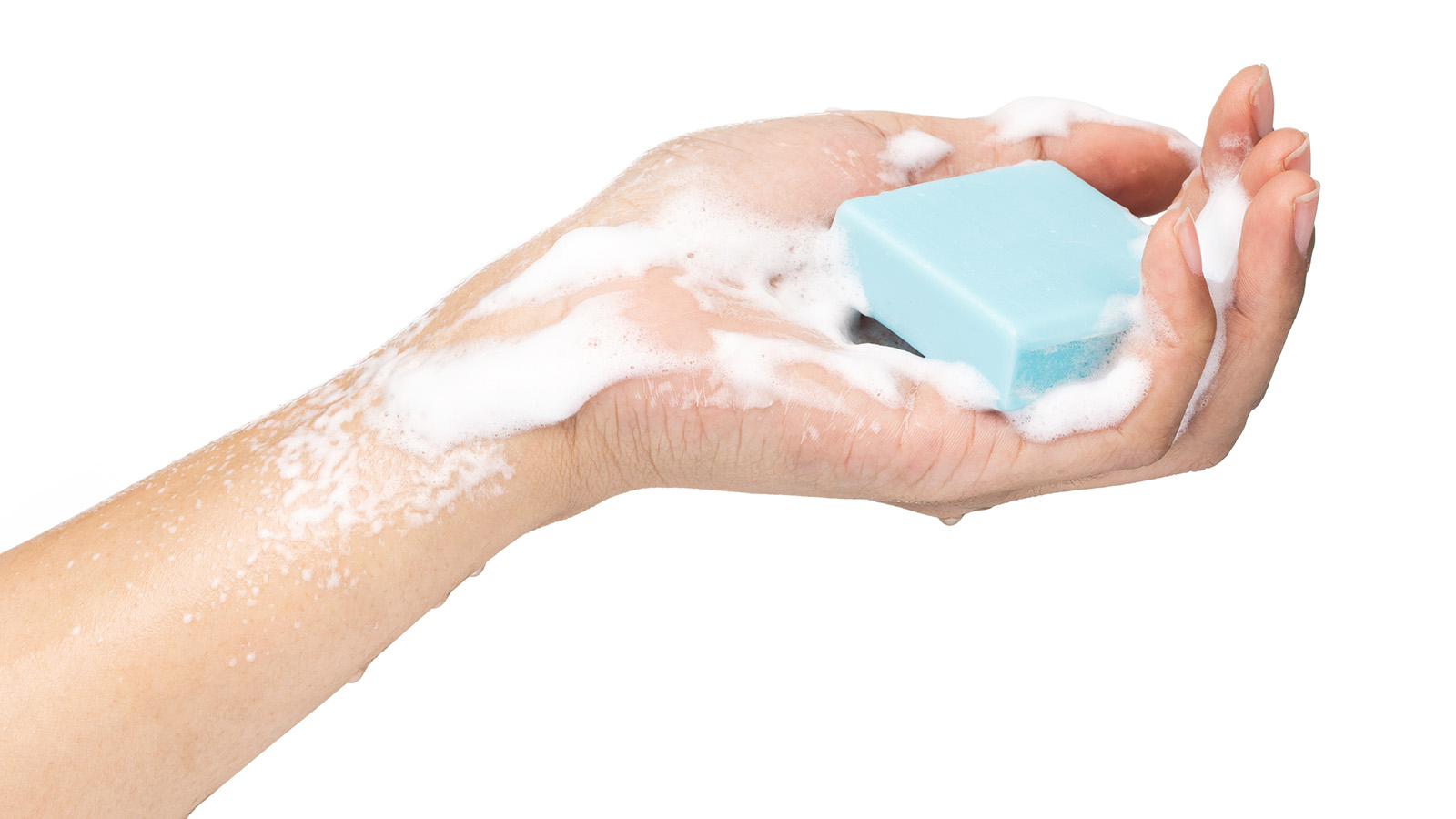
The base was designed specifically to assist consumers in conserving water and reducing their carbon footprint. By requiring less water, these solid bars not only offer a sustainability benefit, but they can last longer than liquid soap – while reducing the need for single-use plastic packaging. Going plastic-free also means these bars are easier to store and transport,” Tim explains.
References:
1–3 https://www.euromonitor.com/article/waterless-beauty-opportunities-beyond-compliance.
4 https://www.fortunebusinessinsights.com/personal-care-packaging-market-107317.

Tim Pulleyn
Marketing Manager, Stephenson, Leeds, UK,
www.stephensonpersonalcare.com

Charlotte Gronan
Product Manager, Stephenson, Leeds, UK,
www.stephensonpersonalcare.com