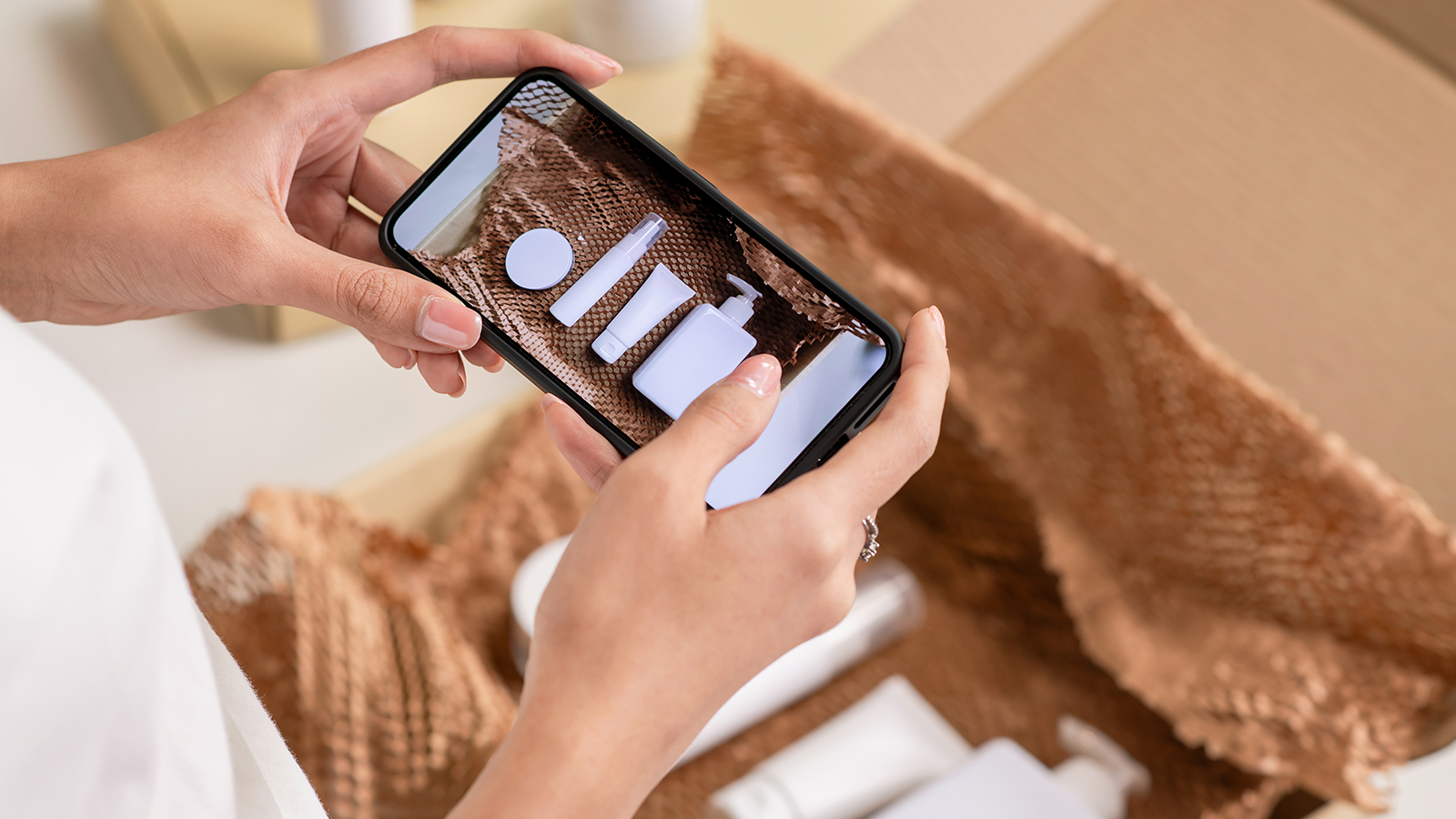
Social media’s impact on the beauty industry has been nothing short of remarkable. Brands are increasingly relying on digital platforms for quick and easy product launches, mass popularity, and near instant virality. Sometimes, all it takes is one influencer or a clever, eye-catching piece of marketing content to send a product skyrocketing across the globe. Leonora Eckley, Account Director, FMCG, Luxury, and Beauty at CARMA talks about how brands canmaster the art of balancing social and traditional media.
Going viral
While digital-first strategies are nothing new, brands are clearly leaning into them more than ever. Media intelligence service provider CARMA’s Top 10 in Beauty: Monthly Media Insights evaluates media performance across the total beauty market, as well as within cosmetics, skincare, and fragrance categories. It tracks how beauty brands such as Huda Beauty, Chanel, Christian Dior, Maybelline and Rare Beauty, alongside skincare leaders like Elemis, The Ordinary, Garnier and Ole Henriksen, and fragrance labels including Tom Ford, Creed, and Jo Malone, performed across different media channels.
The December 2024 report highlights that brands prioritizing a social media-first approach saw the fastest growth: Maybelline, Huda Beauty and Giorgio Armani ranked in the top three for growth, driven by viral influencer-led campaigns. Huda Beauty surged to second place for share of voice, with its Icy Nude Eye Shadow Palette and Easy Bake Loose Baking & Setting Powder dominating social media; the latter achieved a 75% increase in mentions compared to December 2023. Overall, Maybelline, Huda Beauty, and e.l.f. significantly strengthened their digital presence through highly effective influencer engagement.This social media-driven success carried into January this year, with Huda Beauty and L’Oréal’s growth being almost entirely fuelled by digital content. L’Oréal, which saw the highest growth in the top ten, attributed 90% of its total mentions to social media, largely due to the buzz around its Plump Ambition Hyaluron Lip Oil promoted across Instagram and TikTok in makeover content. Fenty Beauty, M.A.C, and NYX Professional Makeup also led social-driven campaigns, with social media accounting for 59%, 60%, and 67% of total coverage, respectively.
In skincare, digital engagement was key, but with increasingly knowledgeable consumers and the rise of ‘SkinTok,’ product quality played a significant role. Tatcha’s Dewy Skin Cream dominated mentions in December, accounting for 36% of its total coverage after featuring in multiple Christmas gift lists. CeraVe’s Hydrating Cleanser saw a surge in expert recommendations, doubling its volume of mentions year-on-year. Moving into January, Danish brand, Ole Henriksen, experienced the highest growth, closely followed by The Ordinary and Medik8.
However, relying solely on social media – not putting all of one’s eggs in one basket – does come with risks. Christian Dior (–24%) and NARS (–21%) both experienced a decline in media visibility, underscoring the importance of taking a balanced approach. While social media is no longer just a “nice to have,” the most successful brands are those that integrate viral digital campaigns with traditional editorial storytelling.
Tried and true
While social media can achieve instant product and company virality, traditional media continues to play a pivotal role in reinforcing brand credibility and shaping consumer trust. CARMA’s report highlights how traditional print and editorial coverage remain essential components of brand strategy. Charlotte Tilbury is one example; despite a 40% decline in overall coverage, the brand maintained its top position in media mentions, driven by consistent editorial features and print media exposure. Its signature products, Matte Revolution Lipstick and Airbrush Flawless Setting Spray, both remained holiday favorites, benefitting from strong placements in global beauty publications throughout the festive season.
Fragrance brands also saw significant gains in traditional media; one being Yves Saint Laurent’s Black Opium, which experienced a 147% increase in news volume, largely fuelled by PR-driven affiliate coverage and editorial reviews praising its sustainable refill packaging.
The data makes it abundantly clear that while digital platforms provide rapid visibility, traditional media still remains a trusted source for in-depth storytelling. The most successful brands are those that embrace a hybrid approach; making the most of the speed and reach of social media while maintaining the authority and reliability of editorial. Traditional PR efforts through editorial media allow brands to craft a narrative, take consumers on a journey, and reinforce brand trust in a way that fast-paced social content cannot. Looking ahead, the real winners will be the brands that know when to go viral and when to go classic.
Leonora Eckley
Account Director, FMCG, Luxury, and Beauty at CARMA, www.carma.com