
In the course of the increasingly popular “clean beauty” movement, additives are falling into disrepute. Boosters of natural origin are a way of reducing the use of additives and still ensuring the safety of the products.
The term “Clean Cosmetics” is the foundation of “Clean Beauty”, a lifestyle trend to support our wellbeing without compromising health or the environment1. Nontoxic ingredients are the key, it does not necessarily have to be green2,3.
Most important is that clean cosmetics have a good influence on skin and hair. Healthy skin means that the skin functions (protection, sensation, heat regulation, control of water evaporation, aesthetics and communication, storage and synthesis of Vitamin D and proteins, excretion of water, minerals, sebum and microbes, absorption and water resistance) and the skin flora (our individual microbiome) are in a good shape and work synergistically4. However, more consumers recognise environmental aspects, which include an environmentally friendly supply chain and no harm to the environment1. Since there is a common understanding about those, e.g. local sources for raw material and degradability/ natural recycling without harming the biosphere, we should look closer at the benefits of certain raw materials related to their impact on skin. Good care provides a healthy barrier function, helping to maintain and re-establish a healthy microbiome.
The microbiome
Although we know that synergies of a well-kept microbiome and the skin is essential, we can only conclude, that the mildest impact on the natural microbiome is possibly the best. Even pathogenic microorganisms, like moulds, yeasts, bacteria, and viruses can be found in the human microbiome, which can play a role in the overall consideration4. In this light, the skin barrier needs to
always be functional and not additionally contaminated by pathogenic microbes. Cosmetics industry well reflects these demands for clean cosmetic ingredients.
With the help of boosters
Preservatives which are accepted by law are essential ingredients to avoid contamination of cosmetics by pathogenic microorganisms5. However, the selection is getting more and more restricted by blacklisting certain ingredients6, although there is sometimes no scientific substantiation to do so. Therefore, the cosmetics industry is constantly developing natural ingredient concepts that work as preservative boosters, which help decreasing the in-use concentration of established preservatives. Methylheptylglycerin, a brand-new ingredient, which can be purchased as “Lexgard Natural MHG MB” from Inolex7, covers multiple functions as an emollient with anti-soaping effect in emulsions and simultaneously as a deodorising ingredient as well as a preservative booster. The ingredient interacts with gram-positive bacteria, e.g. Staphylococcus hominis, the gram-positive bacteria in the underarm area that is responsible for excreting the malodour-causing thioalcohol. It is NaTrue approved and certified readily biodegradable.
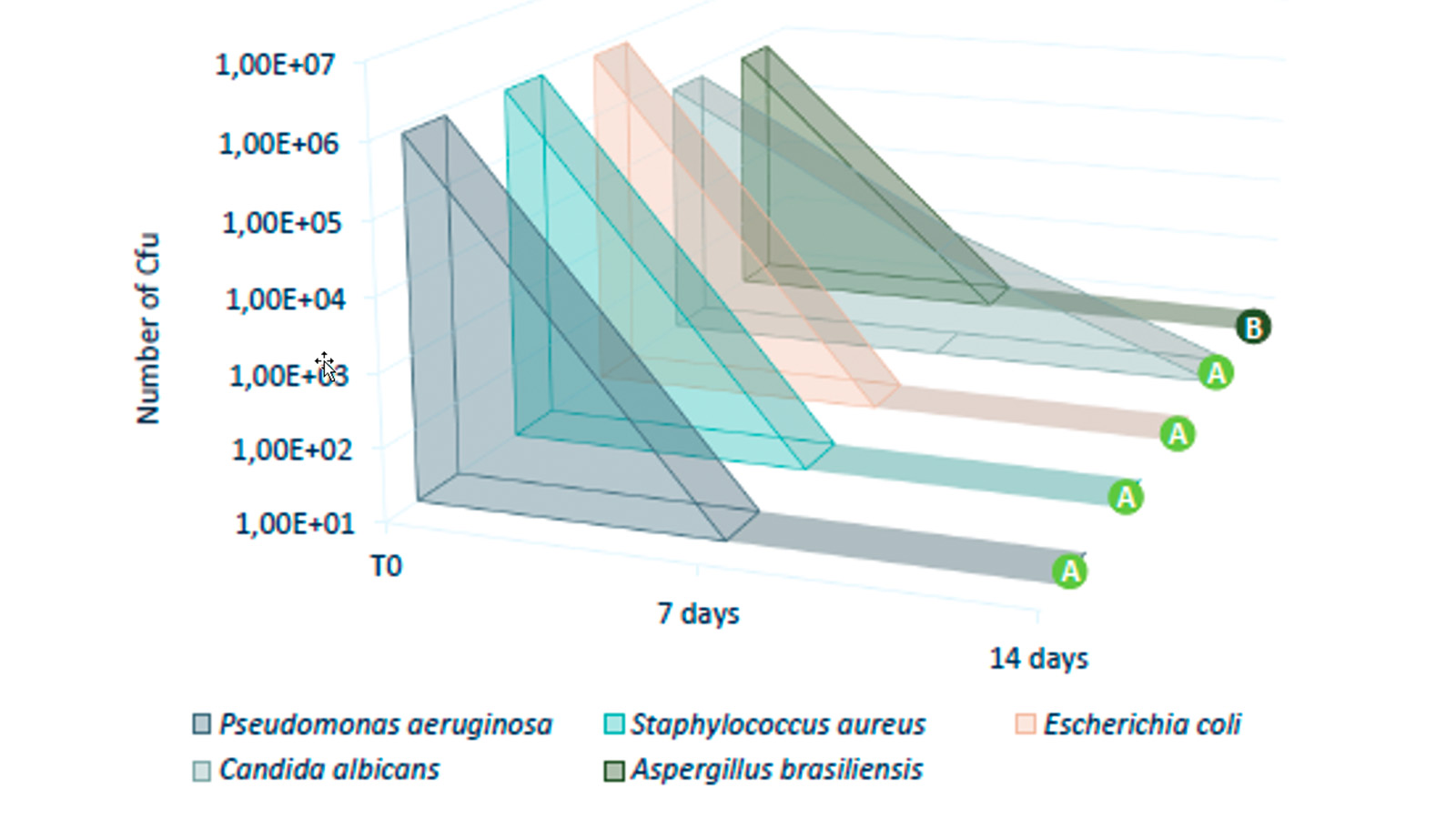
A new solution to help to preserve cosmetics comes from Roquette Beauté, enhancing the effects of preservatives such as potassium sorbate, sodium benzoate and others. Beauté by Roquette LS 007 is a compound which comprises fully plant-based ingredients (Gluconic Acid, Caprylyl / Capryl Glucoside and Cymbopogon Citratus (Lemon Grass) Leaf Oil) and is Cosmos approved. It acts as a preservative booster and reveals, from 1% in use concentration, synergistic effects against bacterial and fungal microbes at pH from 4.5 to 6.
Less is more
Good care requires profound knowledge of the composition of the products applied on the skin. The skin barrier is too often compromised because of the excessive use of skincare products that contain too complex combinations of harsh ingredients. An option to decrease the multiple use of aggressive materials in a formula could be to use a single and mild multifunctional material. As an
example, the use of a functional lipidic complex having a strong skin affinity and emulsification ability with anti-inflammatory effect, rough skin improvement and moisturisation properties can be an asset in the fight against skin barrier disruption.
Various possibilities
“Nikkol Nikkolipid 81S” from Nikko Chemicals Co., Ltd.9 is based on Batyl Alcohol (naturally derived lipid and known for its skin affinity and anti-inflammatory properties) and Lecithin (one component of the cell membrane) is a good example. At natural origin index of 0,90 (ISO 16128) it is also recommended for nature-derived formulas. Anti-inflammatory function substantiated by effect on UVB induced damaged normal human keratinocytes (NHK) pre-treated with Batyl Alcohol and irradiated after 24 hours for 2 hours by UVB. Evaluation via comet
assay test. Treated cells show less damage.
Improvement of the skin barrier function
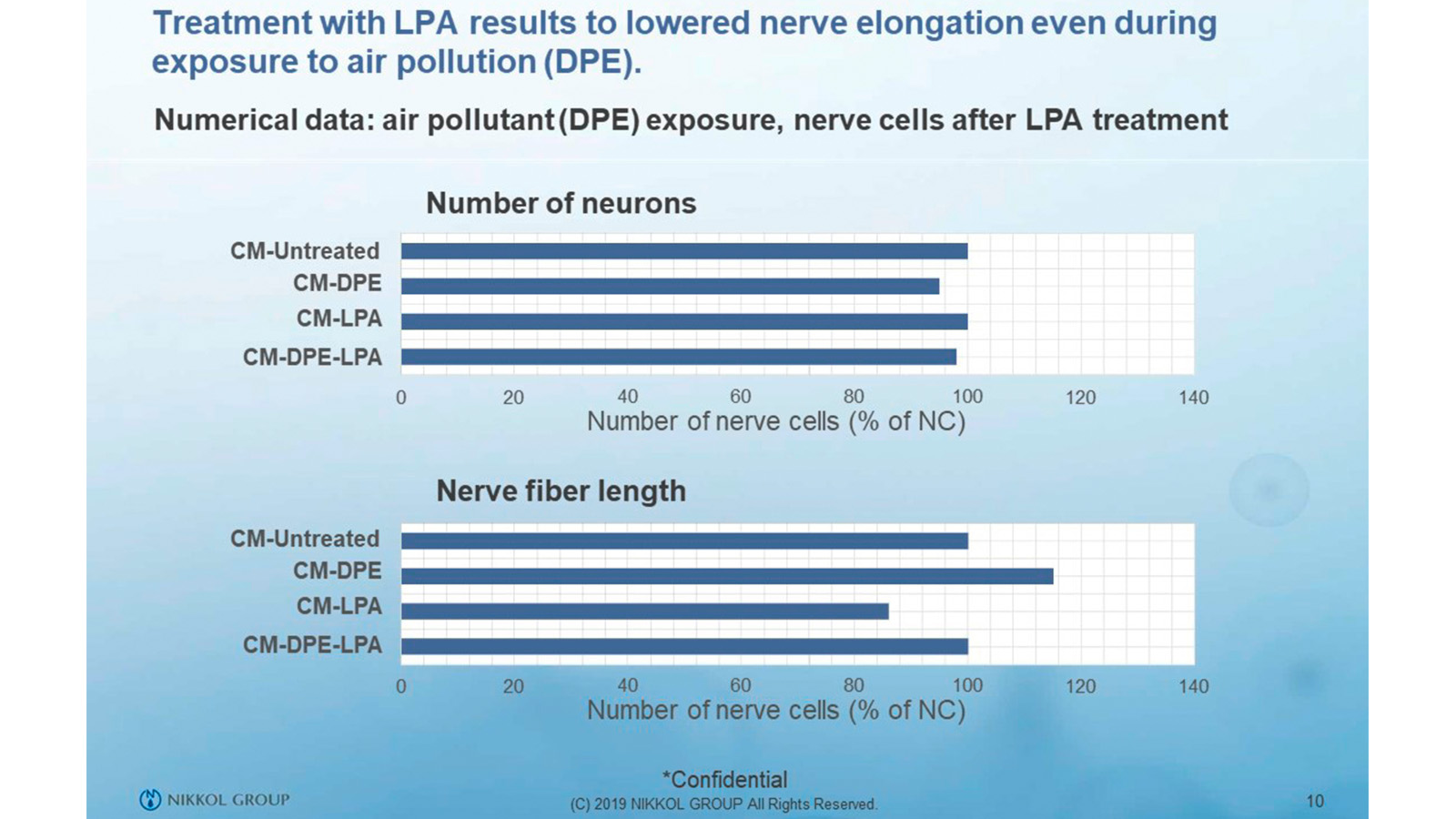
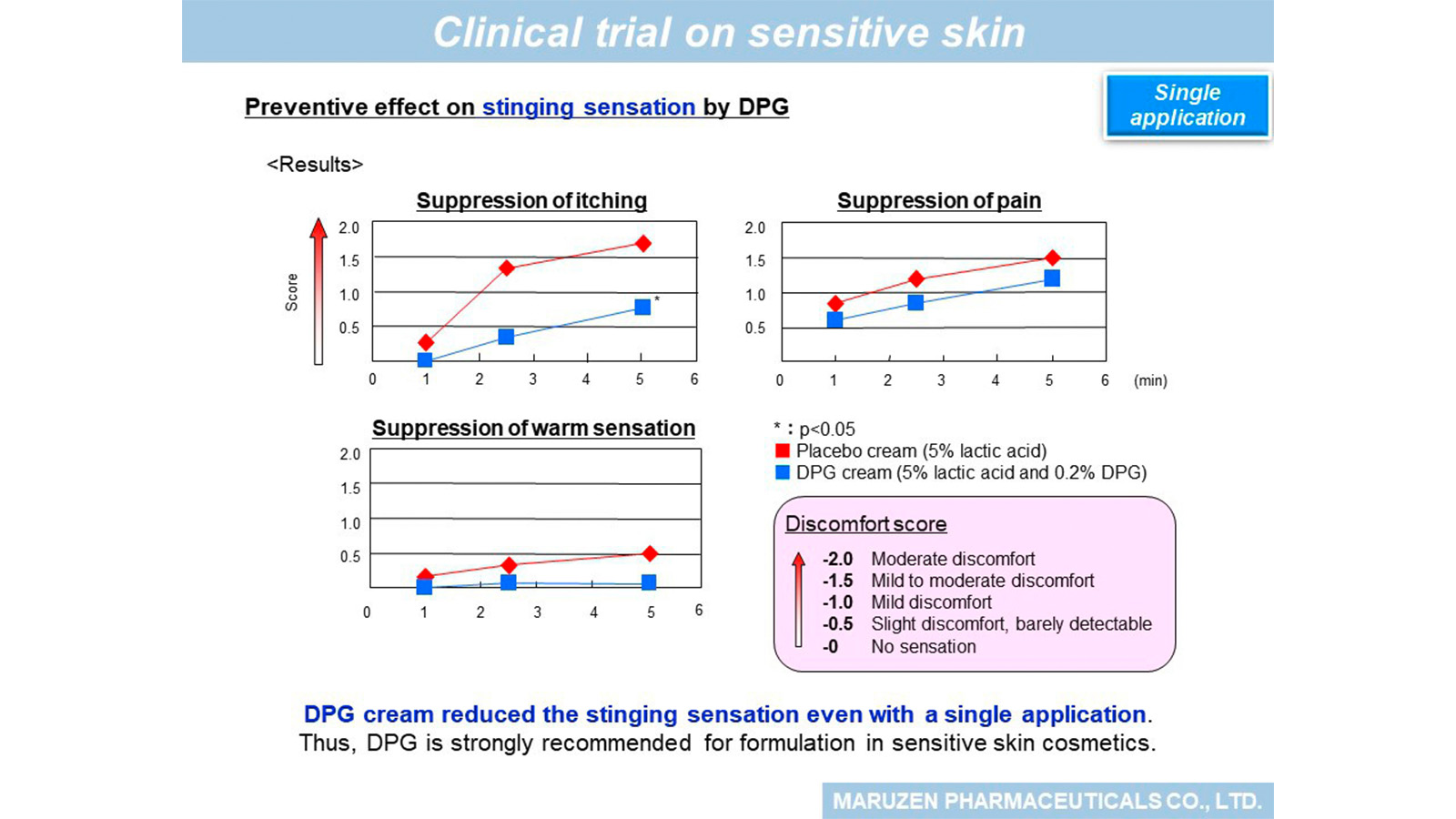
Skin integrity and skin sensitivity belong together. Nerve fibres populate the epidermis to create sensitive skin. The Nerve Elongation Factor (NFG) and Nerve Repulsion Factor (Semaforin3A) are known to indicate disorders in the function of nerve neurites. External inductors like pollutants disrupt the balance by increasing NGF and lowering Sema3A expression. Lysolecithin (LPA) from Nikko Chemicals Co., Ltd10 reinstates the balance of nerve fibres elongation after disruption by pollutants, e.g. DPE (Diesel Particulate Extract). Dipotassium Glycyrrhizinate (DPG), also from Maruzen Pharmaceuticals Ltd.11, is one of the most recognised active ingredients to balance skin sensitivity in relation to atopic dermatitis, allergies, and/or sensitivity caused by environmental factors. This molecule extracted from licorice root reduces stinging effects (itching, pain, and warm sensation), induced by treatment with 5% lactic acid, at only the low in use concentration of 0,2%. It is recommended for scalp treatment and other types of formulae to prevent and/or reduce the consequences of inflammation. Additionally, it enhances skin hydration. Another good example of a multifunctional ingredient is Shiso, e.g. from Nikko Chemicals Co., Ltd.12. It contains flavonoids, like luteonin, rosmarinic acid or apigenin with excellent anti-allergenic and antiinflammatory effect. Specifically, it recovers the skin barrier function after the aggression of pollen or dust. It reduces inflammation and stinging caused by allergens or harsh surfactants, decreasing pro-inflamatory
cytokins. Many more natural ingredients are being revisited for their possible
use as multi-functional active ingredients. In this light we might expect a lot of news about natural ingredients, which protect and support the skin barrier and its microbiome soon.
Conclusions
Examples demonstrate that there are natural ingredients, which have multiple functions, providing mild effects. This is essential, when we think about the impact on the balance between the skin and its microbiome. Different concepts leverage the gifts of both nature and science to support a healthy skin barrier.
References:
1 Nora Schiemann: Clean and Green Chemistry, COSSMA 10/2020, p. 28 ff
2 https://www.vogue.de/beauty/artikel/clean-beauty https://www.vogue.co.uk/article/clean-beauty-guide
3 https://thegoodfaceproject.com/articles/what-is-cleanbeauty
4 https://en.wikipedia.org/wiki/Human_skin
5 European Cosmetics Regulation: https://eur-lex.europa.eu/legal-content/EN/TXT/PDF/?uri=CELEX-:32009R1223&from=DE
6 https://www.google.com: Cosmetic Ingredients Blacklisted
7 Inolex Inc. – Product presentation on Lexgard Natural MHG MB
8 Roquette Frères – Product presentation on Beauté by Roquette LS 007
9 NIKKO CHEMICALS Co., Ltd. – Product presentation on IKKOL NIKKOLIPID 81S
10 NIKKO CHEMICALS Co., Ltd. – Product presentation on LPA
11 Maruzen Pharmaceuticals Ltd. – Product presentation on Dipotassium Glycyrrhizinate
12 NIKKO CHEMICALS Co. Ltd. – Product presentation on Shiso Extract Powder

Dr Nora Schiemann,
Regional Technical Manager DACH & SEE,
IMCD Business Group Personal Care,
Cologne, Germany,
www.imcdgroup.com
Co-Authors:
Carmen Gutiérrez,Global Technical Specialist for Active Ingredients, Barcelona, Spain,
Anne-Sophie Gardes, Technical Director Europe, La Plaine, Saint-Denis Cedex, France