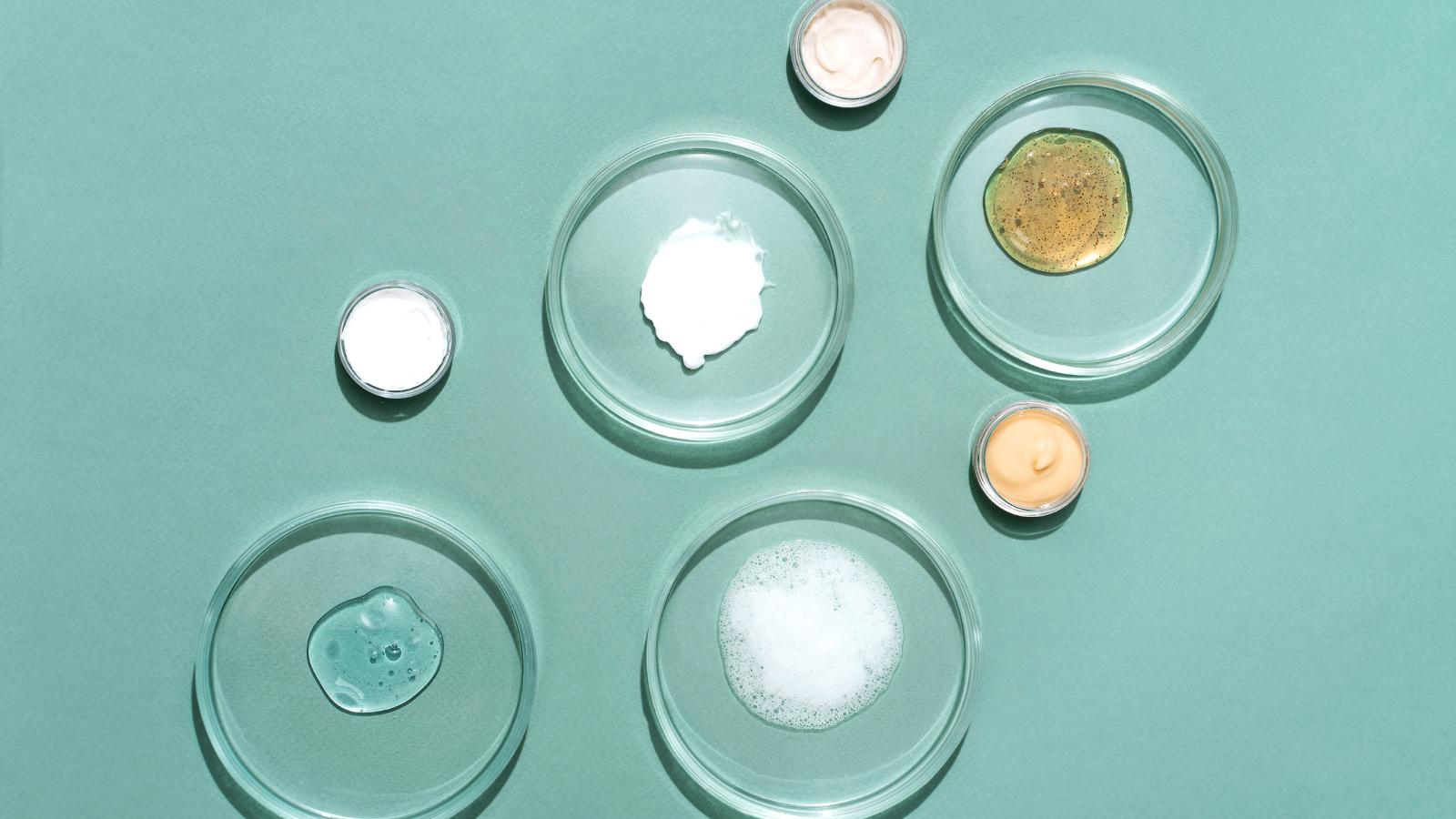
Sustainability has taken on new importance in the beauty industry in recent years as manufacturers seek to respond to growing consumer demand for sustainable and ethical products, moving away from traditional sources often linked with environmental concerns. Biotechnologyenabled novel ingredients could meet the demand for sustainable solutions in personal care.
A 2022 survey found that 68% of 18 – 34 year old US, UK and German shoppers stated that ethicality and sustainability are important purchase drivers in their choice of personal care products. One key area of innovation is in the diversification of critical fat ingredients found in many beauty products, such as moisturisers and serums. Many skincare products, among others, contain fats such as cholesterol and fatty acids added to the formulations to address specific concerns, like dry skin and fine lines. The majority of the commercially available ingredients meeting these specifications today are obtained from animal sources. Alternative animal-free options like coconut oil and palm oil have been increasingly integrated in vegan skincare products, and although they offer a great option to differentiate sourcing for manufacturers, they can post challenges in their functional performance within formulations and due to their links with negative environmental impacts, especially biodiversity loss and deforestation. In Gothenburg, Sweden, biotechnology startup Melt&Marble is addressing this problem by adapting a biotechnology technique called precision fermentation to the production of highly tailored, high-quality fats.
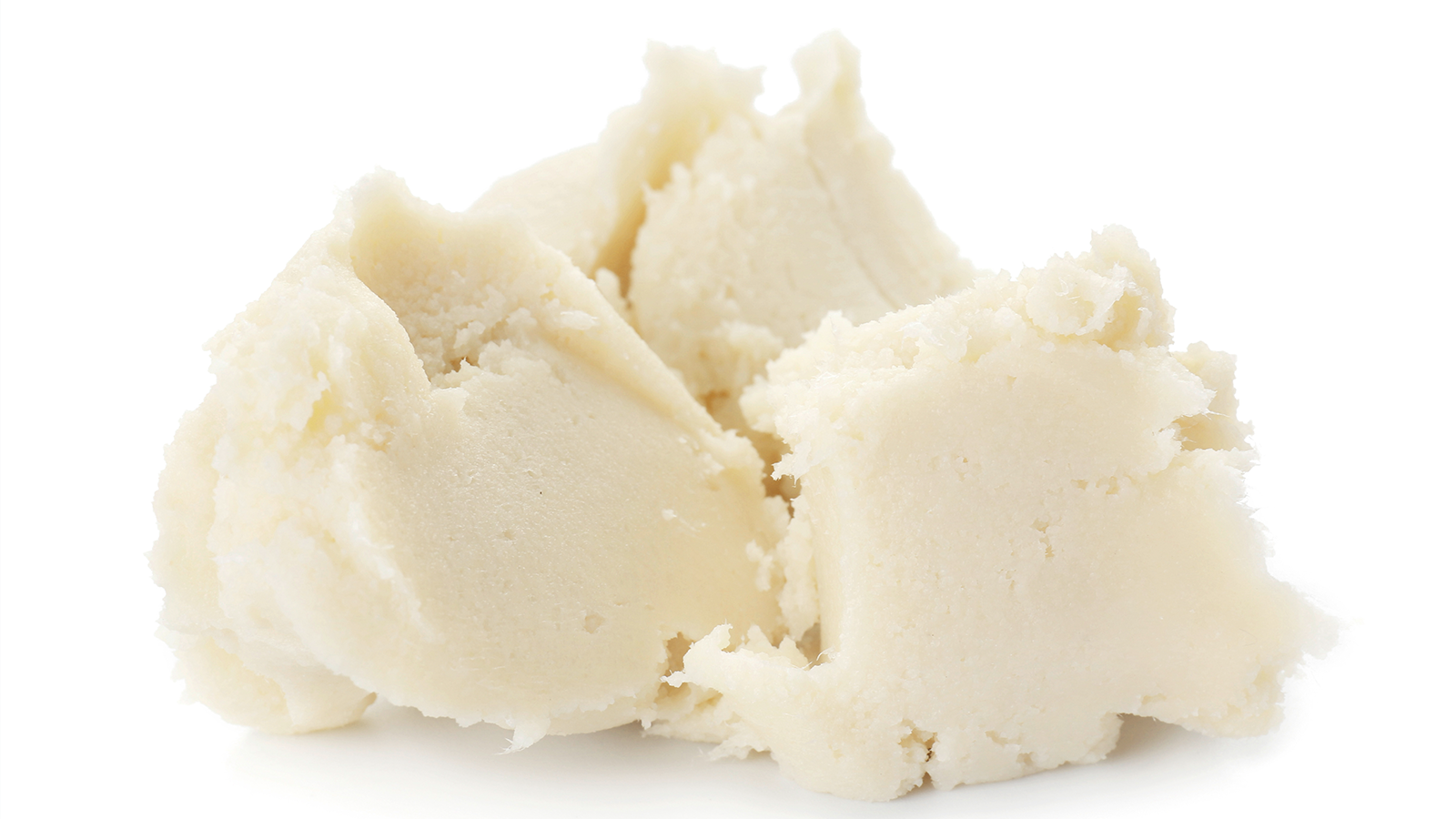
Tailored fats can meet very specific needs.
Capturing the potential of fermentation through a new technological application
In traditional fermentation processes, such as in the production of wine or beer, yeast breaks down carbohydrates like sugar into carbon dioxide and alcohol. Precision fermentation rewires the metabolism of yeast to enable them to convert sugars into customised ingredients such as fats, which are then designed from the ground up to meet specific needs within the final product applications. The technology Melt&Marble has been developing controls which fatty acids are created (both chain length and saturation) and how these fatty acids are attached to a molecule called glycerol. The types of fatty acids and the way in which the fatty acids are attached to the glycerol greatly influences the properties of the fat, and successfully engineering that process allows the resulting fat to be tailored to suit a range of applications, including personal care, beauty, and food. Precision fermentation itself is not a new technology, as it has been commercially used for decades in the production of substances like rennet and insulin, and therefore offers an innovative solution that can reach commercial scale by leveraging existing infrastructure.
Tailored properties and made-to measure ingredients for care products
This technology is believed to be able to allow the company to create close analogues of existing fats and new, high-value fats with bioactive properties tailored for personal care applications. By tailoring fats to suit precise needs and formulations, precision fermentation allows manufacturers to access high-performing solutions, while maintaining the claims that shoppers care about. The company believes that manufacturers of personal care products are at a crucial crossroads: they must navigate the complexities of sourcing sustainable ingredients that not only meet the eco-conscious demands of today’s consumers but also enhance the health and functional benefits of their products. This dual challenge is not just about innovation in formulation; it’s about shaping a future where beauty and responsibility coexist harmoniously. Precision fermentation is a technology that has been around for a while and, with this breakthrough, it can offer great benefits: the fats can be tailored to working with the R&D of a personal care partner, for example, to have a certain composition at a biochemical level and target specific skin concerns. For example, it’s possible to produce designer fats that have a specific melting profile or with specific bioactive fatty acids, enabling a final product that feels soft and moisturising, whilst also improving skin health.
Meeting the demand for sustainable solutions in personal care
By creating ingredients in bioreactors, precision fermentation offers very significant advantages in sustainability. Many animal-free fats used in cosmetics, such as palm oil, are associated with environmental problems of their own, such as deforestation. While palm oil is an extremely efficient crop, its production has nonetheless resulted in the replacement of virgin rainforest with monocultural palm plantations and loss of biodiversity, affecting species including the Orangutan and the critically endangered Sumatran Rhinoceros. Precision fermentation can produce fats with the same or even better qualities but with heavily reduced emissions and usage of water, land and other resources; Melt&Marble anticipates that it will be able to produce more than a tonne of fat per batch by 2025 using only a fraction of the land and resources used by animal or plantation agriculture and producing far less pollution.

Thomas Cresswell
Chief Business Officer, Melt&Marble, Gothenburg, Sweden, www.meltandmarble.com