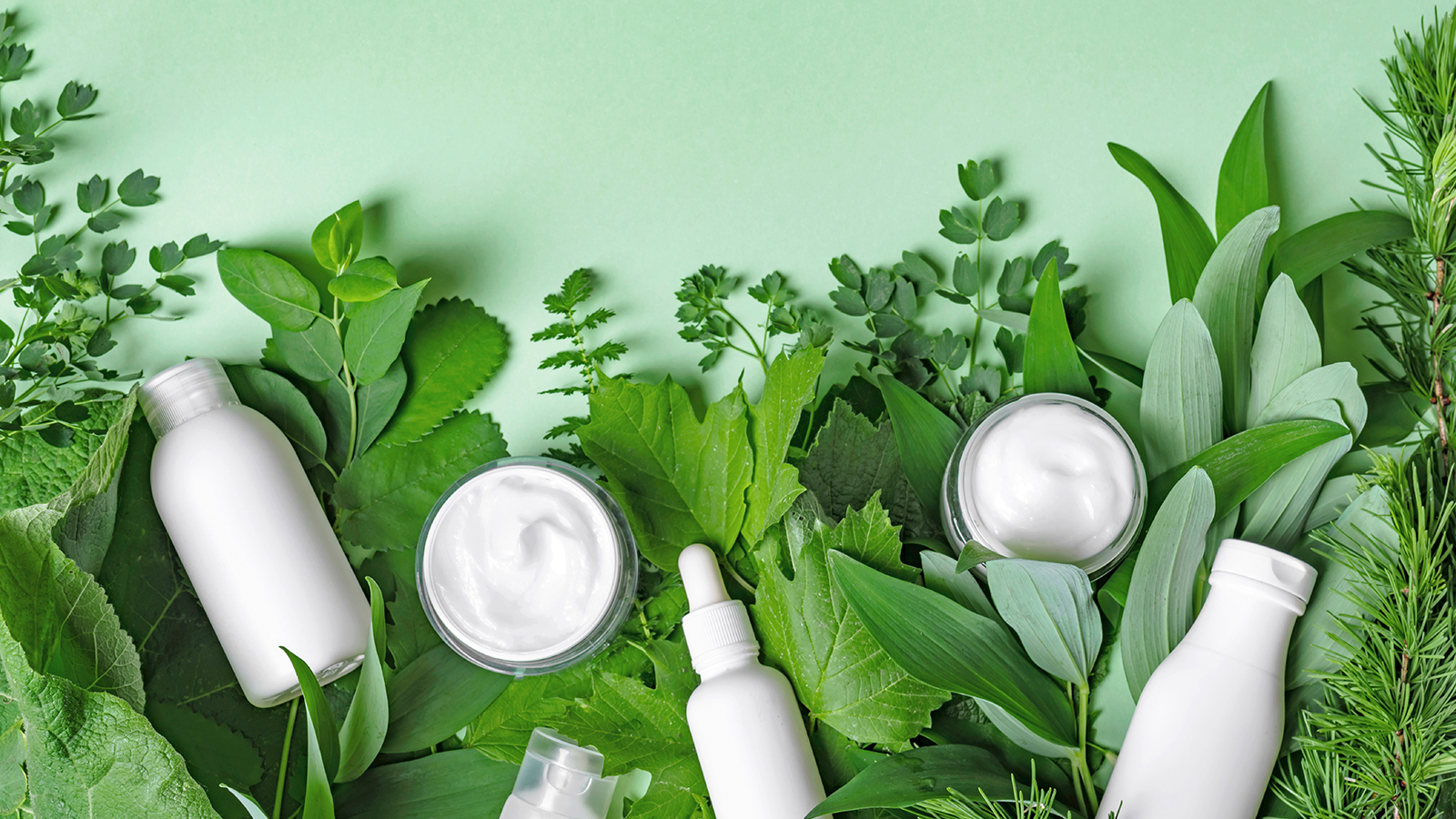
Customers are opting for brands that are sustainable due to increased concerns about ethical sourcing and the environmental footprint of skincare products. Through 2028, the organic skincare products’ market is projected to grow by US$ 2.98 billion at a compound annual growth rate of 8.8%. Due to the trend towards products developed using non-synthetic and herbal products, the skincare industry is set to drive the coming years.
For skincare products branded as “organic,” the “clean beauty” trend emphasizes utilizing natural ingredients that do not contain hazardous chemicals with better disclosure. The overwhelming majority of consumers are predisposed to spend more on sustainable products, and globally, 80% indicated willingness to pay more for such a product. In a report by McKinsey, 40% of American consumers indicated an interest in buying organic facial skincare produc
Green Ingredients in Organic Skincare
Organic skincare products are popular among health-conscious consumers because of their natural ingredients, believed to make them safer and more beneficial. Europe and North America currently account for 80% of the industry’s total revenues because of their strict regulatory frameworks and high levels of consumer awareness. Asia is today the fastest growing market with growth being fuelled by increasing disposable income, a change towards natural, non-toxic skincare, and an upswing in demand for natural beauty items.
Many businesses have become key players in the organic skincare industry due to the rising demand. Cocokind is known to utilize the use of botanical extracts such as the sea grape caviar in their glow essence and fermented ingredients such as sake, which is a fermented rice wine, in their body lotion.
Ingredients such as rice and algae are subjected to bio-fermentation processes to enhance their bioavailability, improving the absorption of nutrients by the skin. Naturollogic, a holistic skincare brand, employs its own oil infusions, extracts, and bio-fermentation process. For deep hydration and radiance, their Luna Red Wine Bioferment Mask contains an in-house red wine that takes six months in the making and harvesting.
Blue Biotechnology, another innovative approach harvests compounds from sea fennel and sea algae through genetic engineering and a range of cultivation methods. These compounds are full of antioxidants, vitamins, and minerals, providing anti-aging and skin-rejuvenating benefits. The patented ingredient alguronic acid, utilized in Algenist’s anti-aging cream, enhances skin elasticity, reduces wrinkles, and stimulates cell repair.
Plant-based extracts, including adaptogens such as ashwagandha and ginseng, help the skin adapt to stressors, reduce inflammation, and rebalance. Herbivore Botanicals, a clean skincare brand, is famous for incorporating plant-based ingredients. To promote skin health, resilience, and balance, they add adaptogens and other botanicals to their products. Hemp seed oil and adaptogenic ashwagandha are found in their Emerald Deep Moisture Glow Oil, which moisturizes and soothes skin and reduces inflammation while strengthening the skin’s natural defences.
The Youth to the People brand is known for its incorporation of plant superfoods and bio-fermented ingredients in clean, potent skincare. Key items include the Adaptogen Deep Moisture Cream, which contains ashwagandha, reishi, and bio-fermented squalane; the Superberry Dream Mask, which has maqui, acai, and goji berries; and the Superfood Antioxidant Cleanser, which contains kale, spinach, and green tea.
Brands like Dr. Hauschka, Juice Beauty, and Neal’s Yard Remedies follow strict organic certifications like USDA Organic, Ecocert, and COSMOS for increased transparency. A product must use a high percentage (usually 95% or more) of organically produced components and be free of hazardous chemicals, GMOs, and synthetic pesticides to be classified as organic.
From sourcing to formulation, every step of the production process needs to prioritize sustainability, environmental responsibility, and ethical behavior. These standards, verified through third-party audits, ensure full traceability and build consumer trust in the authenticity when they see products and ingredients under the “organic” lab
Technology Advancements in Organic Formulations
The preservation of bioactive components has been optimized by advancements in extraction processes, such as cold-press methods and supercritical CO2, guaranteeing increased stability and potency of natural constituents. Furthermore, advancements in biotechnology have made it easier to substitute plant-derived stabilizers, emulsifiers, and preservatives for synthetic ones, enhancing product safety and shelf life.
Through bio-fermentation, biotechnology has made it possible to create lab-grown components that yield high-quality, sustainable skincare chemicals. Evolved by Nature offers a sustainable substitute for conventional petroleum-based peptides in their face serum by using leftover silk cocoons to produce bioactive peptides. The CO2 extraction process preserves the purity and potency of plants without the use of hazardous solvents by submitting carbon dioxide to high pressure to extract essential oils and active chemicals. The global botanical extracts market, which utilizes technologies like CO2 extraction, was valued at approximately US$ 6.34 billion in 2024 and is projected to reach US$ 15.0 billion by 2033, growing at a CAGR of 9.4%.
The market for botanical extracts is also expanding because of the widespread use of steam distillation, a classic method for removing essential oils from plant materials. It is also used to produce therapeutic oils and natural perfumes. The development of environmentally friendly preservatives because of improvements in natural preservation techniques has extended the shelf life of organic skincare products free of artificial chemicals. These developments satisfy consumer demands for natural ingredients while guaranteeing product safety.
To lessen its influence on the environment, the cosmetics sector is progressively implementing sustainable packaging options. Reusable packaging systems have been introduced by companies such as Emma Lewisham, which encourages customers to take part in environmental projects. The Financial Times reports that the brand’s sales have increased to US$ 7 million since March 2024, demonstrating consumer support for environmentally friendly activiti
Conclusion
At the nexus of nature and technology, the organic skincare sector aims to satisfy customers looking for sustainable and efficient skincare products.
With their increased efficacy, sustainability, and ethical sourcing, lab-grown substances, bio-fermentation, and blue biotechnology are progressively displacing traditional extraction and synthesis techniques. While maintaining the integrity of natural ingredients, these developments improve the bioavailability of active components, guaranteeing deeper skin penetration and longer efficacy. Furthermore, single-use plastics are quickly being replaced by sustainable packaging options such as biodegradable materials, refillable systems, and zero-waste designs. These initiatives not only lessen their negative effects on the environment but also demonstrate the industry’s larger adherence to the circular economy’s tenets, which lower carbon footprints and encourage more conscientious beauty consumption.

Seerat Arora
Associate Consultant-
Specialty Chemicals & Polymers, ChemBizR, www.chembizr.com