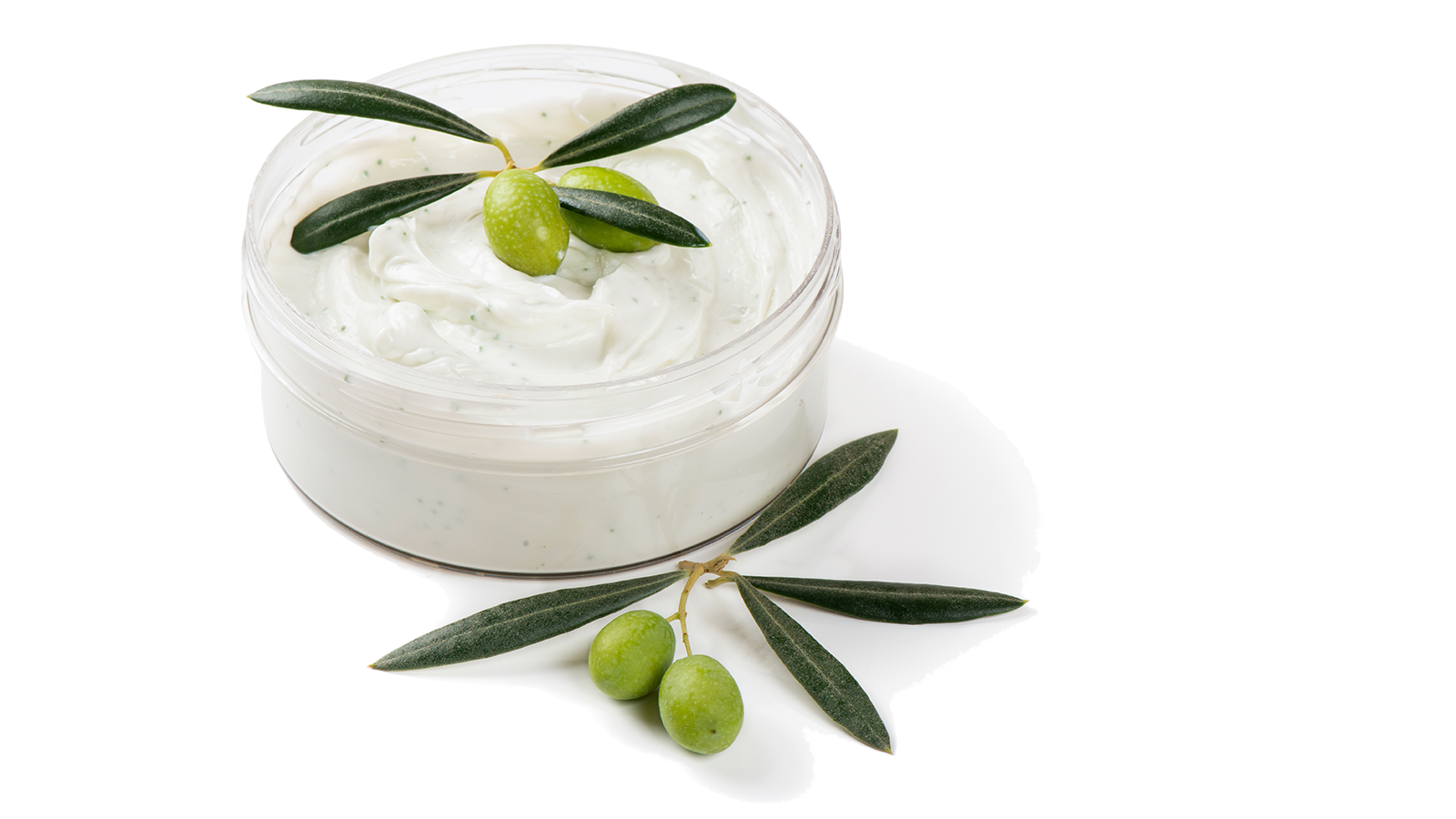
Sustainability | Food by-products are being increasingly appointed as a reasonable source of natural raw materials used by the cosmetic industry. Stefania Zanzottera describes a range of functional ingredients deriving from the valorisation of non-edible olive fractions.
According to the Food and Agriculture Organisation of the United Nations (FAO), roughly one third of the food produced in the world for human consumption every year – approximately 1.3 billion tons – gets lost or wasted. Awareness about global food waste and its consequences for the planet goes to the heart of being a more conscious consumer. From the cosmetic point of view, this is inevitably pushing beauty branded company and suppliers of ingredients to re-think the methods for a positive impact on the civil society, facing the challenge of sustainable exploitation of resources.
Food by-products are being increasingly upcycled as raw materials by the cosmetics industry. The trend is gaining impetus as the pandemic has changed the supply of ingredients, leading many operators to move from a volatile international trading to mainly consider regional, if not local, supply sources of nat-ural ingredients.
Completely aligned with current trends such as clean beauty, up-cycling – the ‘green’ process by which food side streams, or food by-products, are transformed into new compounds or products with a greater value – represents the valid opportunity for a sustainable beauty.
Basis
A traceable controlled Mediterranean supply chain, from the agro-industrial production to cosmetic formulation, allows the development of upcycled ingredients designed to minimise the impact on the environment. Only raw materials of high-quality olive fruits (lampante virgin oil and olive residues), not intended for food use, represent the starting point for the industrial production, by recreating the perfect skin compatibility of olive oil. Here, a double step of the technological production entered in force: a complete breakdown of by-products in single components, followed by a rebuilding of olive-oil-like ingredients, which mimic olive oil in efficacy, but have a sustain-able background.
Three main innovative and sustainable cosmetic ingredients have been received from the circular economy of olive fruit oil process. Those ingredients1 answer to a simple philosophy: maximise formulator benefits by providing pure isolated fractions from olive oil, consequently allowing a new versatility of functional or biological applications, whilst respecting planet resources.
Oil phase viscosity enhancer
A potent and versatile thickening agent (INCI C10-18 Triglycerides)2 shows compatibility with any anhydrous oily systems at different percentages. It is interesting to denote the high affinity for silicones, esters, and other hydrophobic substances. In comparison with standard triglycerides, it is characterised by different features, for example: the solid form, the white colour, the absence of specific odour, a higher melting point (not melting in contact with body heat) and its composition is different. In fact, its C16-18 specific fatty acids molecular structure imparts from 5°C up to 10°C higher melting temperature than other aliphatic C16-18
saturated fatty acids. Moreover, its olive unsaponifiable content can also help anti-oxidation and emolliency for a dual function and care nature.
It shows a good activity in enhancing the oil phase viscosity as demonstrated in figure 1. Three basic formulas (face cream, hand cream and body cream) with different viscosities and each containing 2.5% of the ingredient were compared to a blank version. The measured results confirm a viscosity increase in every type of finished product. Therefore, a more compact and homogenous structure helps to reach a more stable formulation.
A nourishing skin feel without greasy touch is also perceivable and it is linked to the triglyceride’s composition, providing texturing benefits and high stability to the formulation. The viscosity enhancer is also able to create products with buttery consistency to be used as massage bars in body care, as a basis for cleansing formulas like make-up remover or as binders for powders in make-up.
Carrier of actives
A special synergy of olive glycerides with biomimetic activity (INCI: Triolein, Glyceryl Dioleate)3 is focused on:
Skin affinity, thanks to the presence of triglycerides conferring a light and evanescent film and skin biocompatibility, acting as a carrier of lipophilic ingredients
Formula affinity, thanks to the presence of diglycerides in stabilising the formulas due to their polar nature
Thanks to its specific structure, the ingredient provides a multi-benefits action to finished formulas: resistance to oxidation as well as a higher stability enhanced with a quick skin penetration.
It concurs to preserve skin hydration status through the restoration of the barrier function, by limiting trans-epidermal water loss (TEWL). To con-firm this ability, a clinical-instrumental study was carried out on 24 fe-male subjects, aged over 18 years old. Included in a basic cream, the ingredient improves hydrating skin level up to +5.9% at T14 and +6.1% at T28, as it can be seen in figure 2.
In addition, it brings a sensorial experience: a light balanced film forming, a soft feel, a quicker emulsion penetration and a higher comfort to the skin, which remains gently smoothed. It is possible to use the ingredient in a wide range of make-up products thanks to its emolliency properties, matte aspect as well as for its ability to disperse pigments, or to carry a par-ticular lipophilic active ingredient.
Inserted into toiletries rinse-off products, it provides long-lasting protective effect after towel drying, skin nourishment, skin conditioning leaving a light and discrete film and a pleasant and silky skin feel.
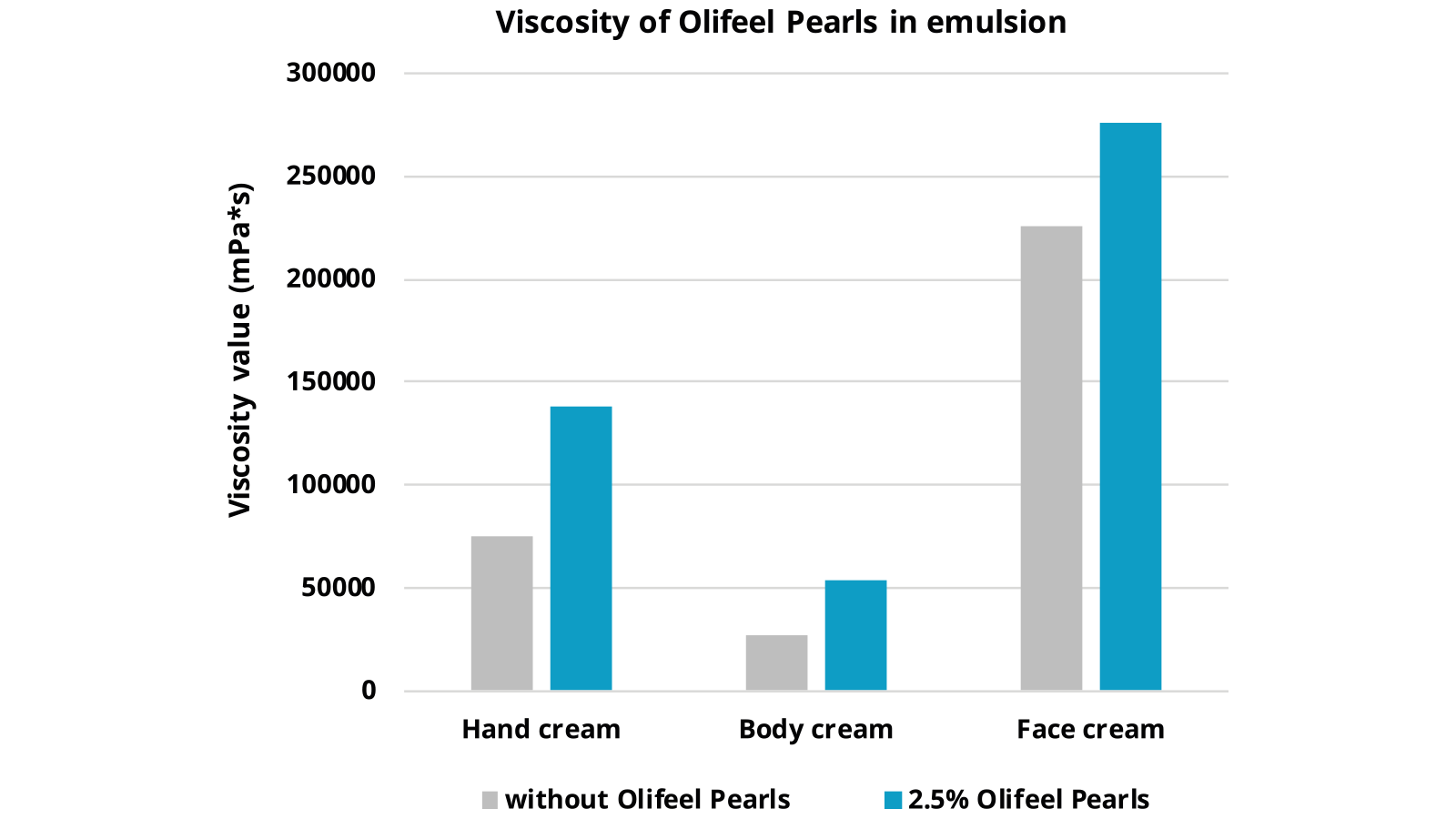
figure 1: Improvement of viscosity structure in different cosmetic products.

figure 2: Evaluation of the efficacy in improving skin hydration.
Emollient agent
The proprietary technology of olive by-products fractioning process can adapt chemical and physical properties to develop specific compounds. A step forward in the research of beneficial opportunities for personal care sector is represented by specific olive glycerides (INCI: Triolein, Glyceryl Dioleate)4 with a good affinity for cutaneous components and formula structure.
The sensorial agent is characterised by a rich emollient touch and a nourishing effect and demonstrates good stabilising properties thanks to high compatibility with formulas components and the ability in enhancing the aesthetics of a wide range of cosmetics. Thanks to its creamy texture and longer playtime, it is essential for a make-up artist who wants to play with blush or eye shadow.
As reported in figure 3, in comparison with other vegetable oils used in cosmetics, the ingredient provides a higher film-forming effect together with a faster skin absorption, a bright skin-feel with a very low residue and a substantial touch.
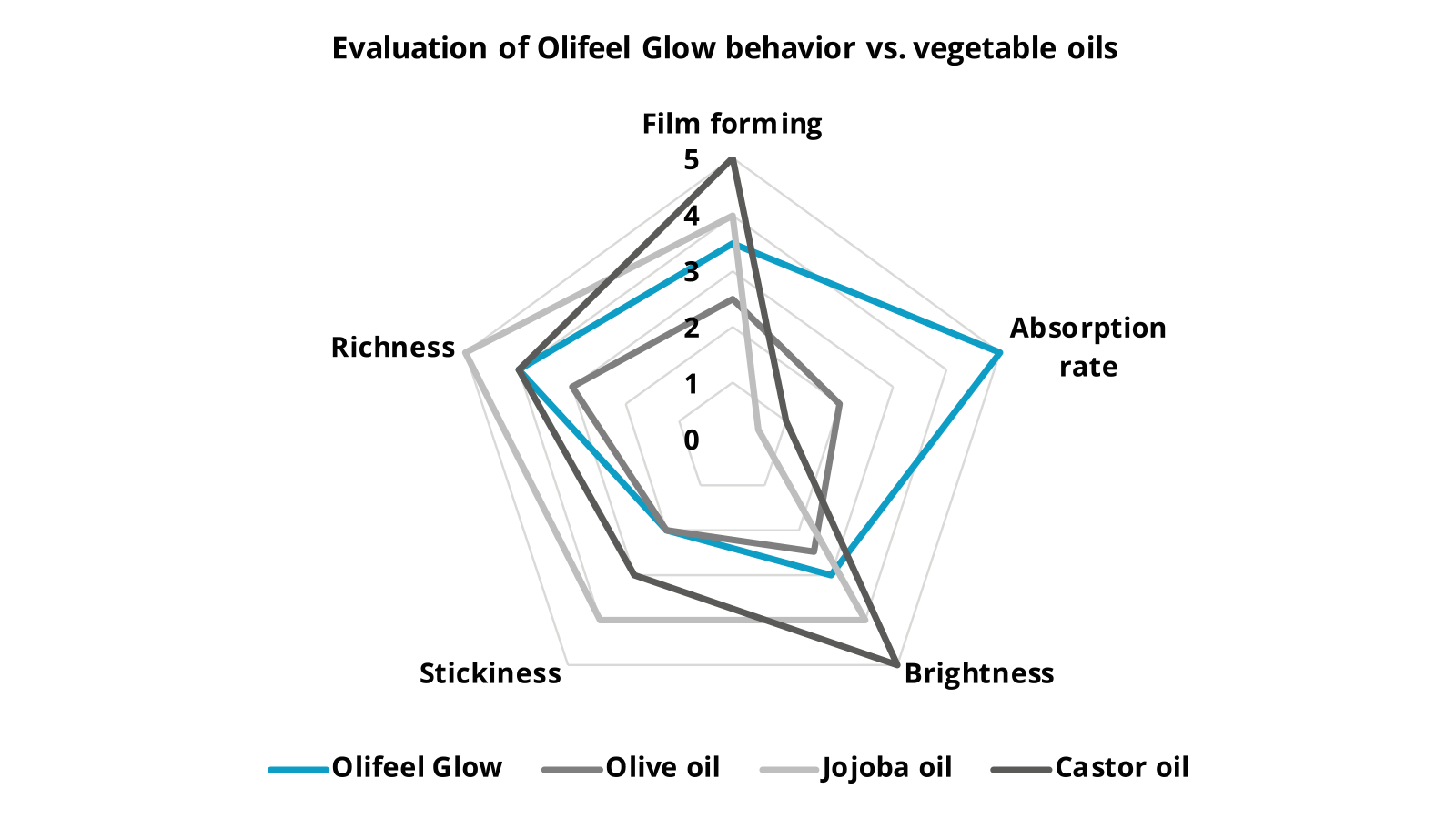
figure 3: Evaluation of the behaviour of olive glycerides glow vs. vegetable oils.
Conclusion
Rising interest towards natural beauty should take into consideration the related impact on environment of involved ingredients. The pre-sent work demonstrates how a circular economy model can be applied in cosmetics to minimise the environmental impact: non-competition with food supplies assure to keep them precious for humankind and to create value for the industry.
The ingredients made of upcycled olive waste demonstrated to be an ethical source for cosmetic applications looking for concrete action towards sustainability.
Innovation and sustainability are two goals that drive through the creation of innovative formulas, in line with the sustainable standards required by more and more conscious consumers. It is characterised by proved performances in enhancing formula texture, together with other beneficial effects, and sustainability linked to the circular economy models supported.
References:
1 Olifeel line
2 Olifeel Pearls
3 Olifeel Skin
4 Olifeel Glow

Stefania Zanzottera,
Marketing Manager, Roelmi Hpc,
Origgio, Italy,
www.roelmihpc.com